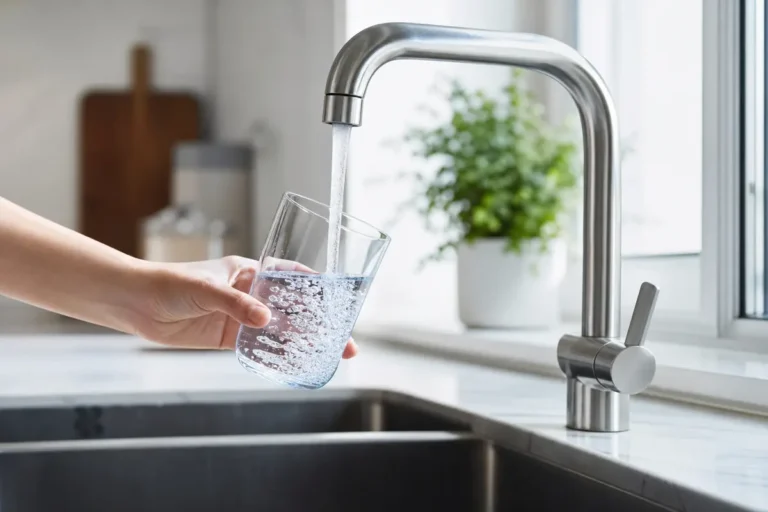
Most people don’t think much about their household water until it starts behaving differently. A glass tastes unusual. A shower leaves the skin feeling dry. There’s a strange smell coming from the kitchen tap, or white deposits begin appearing around the faucet. These small details can be easy to dismiss, but they often encourage an important question: what’s really happening with the water we use every day?
Understanding water quality is about more than judging whether water looks clear. It involves considering its source, chemical composition, possible contaminants, and how it interacts with household plumbing. Once homeowners understand these factors, they can make more informed decisions about testing, filtration, and treatment.
Water Can Look Clean and Still Need Attention
Clear water is reassuring, but appearance alone doesn’t tell the whole story. Some substances dissolve completely and remain invisible. Certain microorganisms and chemical contaminants may also be present without changing the color or smell of the water.
Municipal water systems typically treat and monitor their supplies, but water can still be affected by distribution infrastructure, plumbing materials, and changes in the source. Private wells have their own considerations, including groundwater conditions, nearby land use, and seasonal changes.
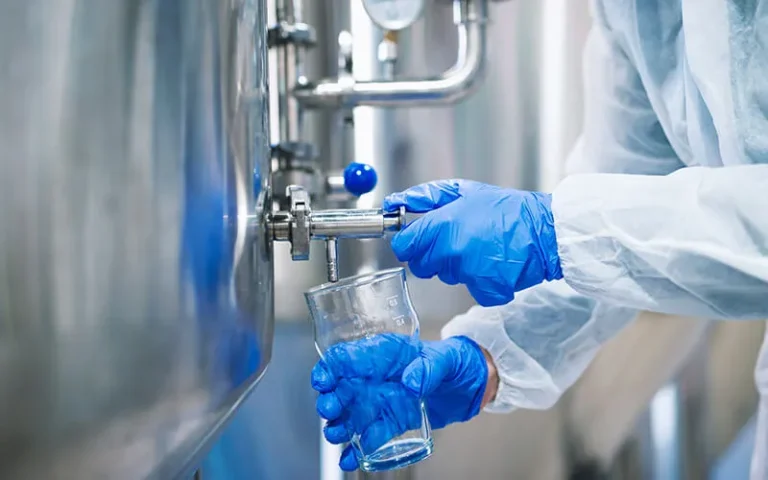
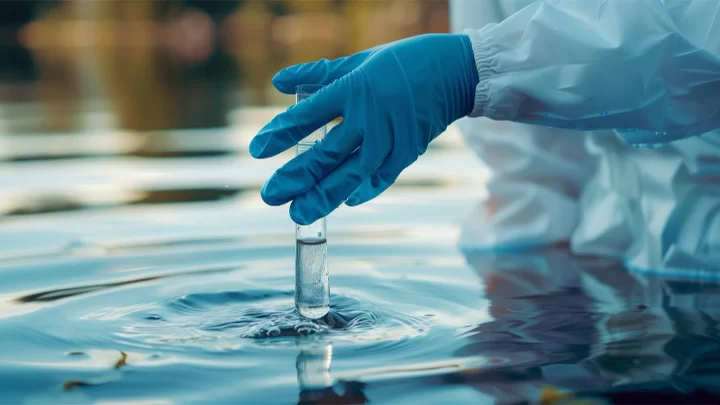
This is why testing is often more useful than guessing. A water test can identify characteristics such as pH, hardness, iron, manganese, nitrates, or microbial activity, depending on the test panel. The most appropriate analysis depends on the water source and the concerns being investigated.
Recognizing Chemical Contaminants
The phrase “chemical contaminants” can sound alarming, but it covers a broad range of substances. Some occur naturally, while others may enter water through industrial activity, agricultural practices, damaged infrastructure, or improper waste management.
Examples can include lead, arsenic, nitrates, certain solvents, and other substances that may be regulated or monitored depending on the location. Their potential effects vary according to the contaminant, concentration, exposure, and individual circumstances.
Chemical contaminants cannot reliably be identified by taste, smell, or appearance. That’s an important reason not to rely on sensory checks alone. If a household is concerned about a specific substance, the test should be designed to detect it. A general water test may not cover every possible contaminant.
When reviewing results, it’s also important to understand the difference between a laboratory detection, a regulatory limit, and a health guideline. These terms are not interchangeable. A qualified laboratory or water professional can help explain what a result means and what steps may be appropriate.
Why Water Sometimes Has a Poor Taste
Taste is one of the most noticeable water-quality concerns because it affects something people consume every day. Even when water meets applicable safety standards, it may still have an unpleasant flavor.
Poor taste can come from several sources. Chlorine used in municipal water treatment may be noticeable to some people. Dissolved minerals, iron, sulfur compounds, or interactions with plumbing can also affect taste. In some cases, the issue may be linked to the source water itself rather than a problem inside the home.
Taste concerns should be investigated rather than automatically treated with a particular filter. Activated carbon filters, for example, are commonly used to reduce chlorine taste and odor, but they are not designed to remove every dissolved contaminant. A filter’s effectiveness depends on its media, design, flow rate, and maintenance.
If the taste changes suddenly, it’s worth checking with the local water provider or arranging appropriate testing before assuming that a new filter is the answer.
Common Water Quality Issues Around the Home
Different water problems leave different clues, although these signs are not always conclusive.
Hard Water and Mineral Scale
Hard water contains calcium and magnesium. It can leave chalky deposits on faucets, showerheads, and glassware. Soap may lather less easily, and appliances that heat water may develop mineral buildup over time.
Water softeners are commonly used to reduce hardness. However, hardness is not the same as contamination, and softeners are not intended to address every water quality issue.
Sediment and Cloudiness
Sand, silt, rust, or other suspended particles can cause water to appear cloudy or leave visible residue. Sediment filters can help capture these materials and protect other treatment equipment.
Cloudiness can have different causes, though. Air bubbles, plumbing disturbances, or other conditions may create temporary discoloration. Persistent changes deserve closer attention.
Unusual Odors
A rotten-egg smell may be associated with hydrogen sulfide, while other odors can come from chlorine, organic compounds, or plumbing-related issues. The source matters, and odor alone cannot confirm the presence or absence of a particular contaminant.
Choosing the Right Treatment Instead of the Most Expensive One
Once a water concern has been identified, the next step is selecting a treatment method that addresses it. This is where homeowners can easily become overwhelmed by product claims and complicated equipment packages.
A sediment filter may be suitable for suspended particles. Activated carbon can help with certain tastes, odors, and organic compounds. Reverse osmosis may reduce a range of dissolved substances, while ultraviolet treatment is used in some situations to address microorganisms.
No single technology handles every problem. A system designed for chlorine taste, for instance, may not be appropriate for arsenic or bacteria. The treatment method should match the test results and the intended use of the water.
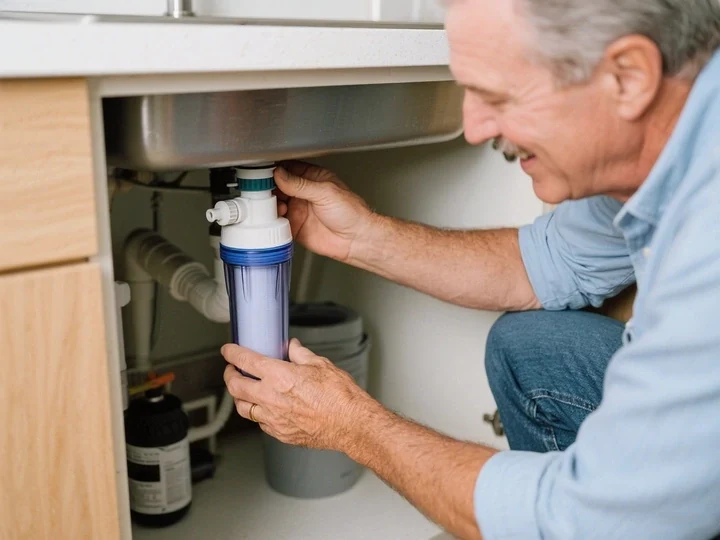
It’s also worth deciding whether treatment is needed at one tap or throughout the home. Point-of-use systems are often used for drinking and cooking, while whole-house systems treat water entering multiple fixtures.
Maintenance Makes a Real Difference
Even a well-designed water treatment system can lose effectiveness without regular maintenance. Filters become exhausted, membranes need replacement, and some equipment requires cleaning or replenishment.
Before purchasing a system, ask about replacement schedules, operating costs, water pressure requirements, and the availability of service. A lower initial price may not remain economical if replacement parts are difficult to find or maintenance is frequently overlooked.
Keep track of installation dates and filter changes. If water taste, odor, pressure, or appearance changes after installation, investigate the cause instead of simply replacing parts at random.
A More Informed Approach to Everyday Water
Water quality doesn’t need to be a source of constant worry, but it does deserve a thoughtful approach. Testing helps identify what is actually present, while proper treatment can address specific concerns without unnecessary expense.
Whether the issue is mineral scale, unusual taste, sediment, or a suspected contaminant, the most useful first step is understanding the problem. From there, homeowners can choose equipment based on evidence rather than assumptions.
Clean-looking water is only the beginning. Better decisions come from knowing your water source, understanding test results, and maintaining the systems that help keep your household water suitable for everyday use.