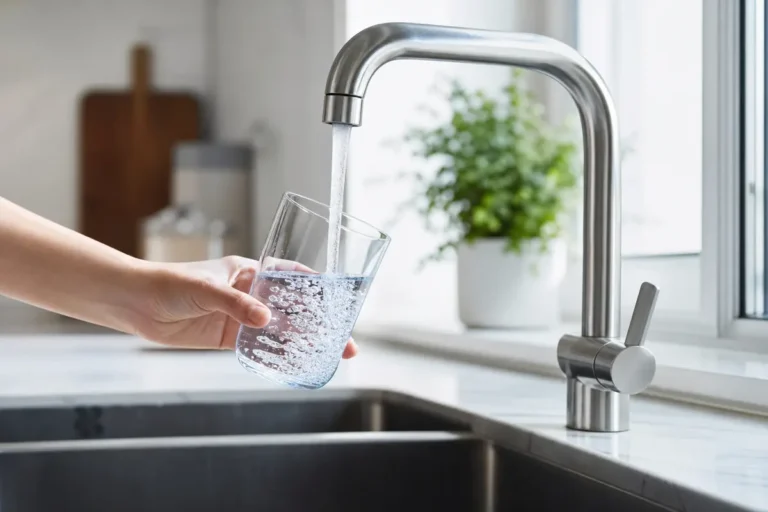
Most people don’t think much about the water running through their homes or businesses until something seems off. A strange taste in morning coffee, a faint odor from the kitchen tap, rust-colored marks around a sink, or scale collecting inside an appliance can quickly get your attention.
The frustrating part is that water can look perfectly clear and still contain characteristics worth investigating. That’s why choosing a treatment system based on guesswork isn’t always the best move. Before spending money on equipment, it makes sense to understand the water itself, where it comes from, and how it is being stored or used.
Good water quality decisions usually begin with information, not a sales brochure.
Start by Understanding What’s in the Water
A glass of water can tell you a little through its smell, appearance, and taste. It can’t tell you everything, though.
That is where water testing & analysis becomes useful. Depending on the water source and the concerns involved, testing may examine factors such as hardness, pH, iron, manganese, sediment, dissolved minerals, chlorine, bacteria, and other characteristics.
The purpose isn’t simply to produce a long laboratory report full of numbers. The useful part comes afterward — understanding what those numbers mean for your home, business, plumbing, appliances, and everyday water use.
For example, hard water may create mineral scale and make cleaning more difficult. Iron can leave reddish stains. Certain contaminants may affect taste or odor without being obvious visually. Different problems call for different treatment methods, so knowing the problem first can prevent a lot of unnecessary spending.
Your Water Source Changes the Equation
Water doesn’t behave the same way everywhere. Municipal water, private wells, rainwater collection systems, and stored water supplies can have very different characteristics.
A city supply may already undergo extensive treatment, but homeowners can still experience issues related to chlorine taste, sediment, plumbing conditions, or hardness. Private wells, meanwhile, depend heavily on local geology and the condition of the well itself.
Storage is another part of the picture that sometimes gets overlooked. Properties that rely on cisterns & tanks need to think about more than the water entering the system. The condition of the storage vessel, cleaning schedule, covers, connections, and surrounding environment can all influence water quality.
A well-designed treatment plan considers the entire journey of the water — from its source to the tap.
Storage Systems Need More Attention Than They Get
Cisterns and tanks can be incredibly useful, especially where water availability, collection, pressure, or storage capacity is a concern. But once water sits in a container, maintenance matters.
Sediment can accumulate at the bottom. Organic material may enter through poorly protected openings. Over time, tanks can develop conditions that aren’t ideal for maintaining good water quality.
Regular inspection and appropriate cleaning can help reduce these risks. The exact maintenance schedule depends on the type of tank, what it stores, how frequently it is used, and local conditions.
It is also worth checking connections, lids, vents, overflow points, and other areas where unwanted material could enter. A small maintenance issue may not seem important today, but water systems tend to reward people who deal with small problems before they become expensive ones.
Homes and Businesses Have Different Needs
A residential water system is usually designed around household consumption, drinking, bathing, laundry, and appliances. Commercial properties can have much more complicated demands.
Restaurants, hotels, offices, manufacturing facilities, healthcare environments, and other businesses may use large quantities of water for very different purposes. The quality requirements can vary depending on the operation.
That’s where commercial water treatment becomes a more specialized conversation. Businesses may need filtration, softening, reverse osmosis, disinfection, or other technologies depending on their water source and application.
The important thing is to avoid treating commercial water systems like oversized residential systems. Flow rates, peak demand, equipment protection, operating costs, regulations, and maintenance requirements can all play a role.
A system that works beautifully for a family of four may be completely unsuitable for a busy commercial property.
Don’t Let Technology Make the Decision for You
Water treatment has become increasingly sophisticated, which is generally a good thing. There are systems designed for almost every imaginable water-quality concern.
But having more technology available doesn’t mean every property needs the most complicated setup.
It can be tempting to choose a system because it has more stages, a bigger tank, or an impressive list of features. Yet a simpler system that directly addresses the actual problem may be more effective and easier to maintain.
Think about the goal first.
Are you trying to improve drinking-water taste? Reduce hard-water scale? Protect equipment? Remove sediment? Address a specific contaminant? Improve water throughout a building?
Once the goal is clear, the equipment conversation becomes much easier.
Maintenance Is Part of the Solution
One of the most common mistakes people make is thinking installation is the finish line.
It isn’t.
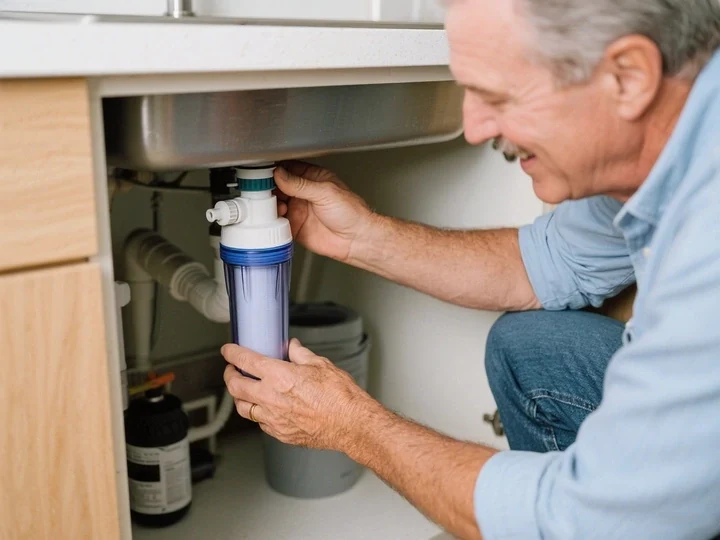
Filters become loaded with contaminants. Treatment media eventually loses effectiveness. Mechanical components wear down. Storage systems need inspection. Settings may need adjustment as water use changes.
A treatment system that was excellent when first installed can perform poorly if routine maintenance is ignored.
Before choosing equipment, ask what ongoing service involves. Find out how often filters or other components need replacement, what the typical maintenance costs are, and whether professional servicing is recommended.
These aren’t glamorous questions, but they’re practical ones. Nobody wants to discover that their “low-maintenance” system requires expensive attention every few months.
Look at the Bigger Picture
Water quality isn’t only about drinking water. It can affect plumbing, fixtures, appliances, cleaning, manufacturing processes, food preparation, and general comfort.
Hardness, for example, may contribute to scale inside water heaters and pipes. Sediment can interfere with equipment. Certain water characteristics may create unpleasant odors or stains. In a business, even a seemingly minor water issue can become expensive if it damages equipment or interrupts operations.
This is why treatment should be considered as part of the property’s overall maintenance strategy rather than a standalone purchase.
A little planning upfront can sometimes prevent a much bigger headache later.
Better Decisions Begin With Better Questions
There isn’t one perfect water-treatment system for every property. That’s probably the first thing worth accepting.
The better approach is to ask sensible questions: Where does the water come from? What does testing show? How is it stored? How much water is being used? What problems are actually occurring? What does the treatment system need to accomplish? And, perhaps most importantly, how will it be maintained?
Once those questions are answered, choosing the right solution becomes far less mysterious.
Good water quality doesn’t happen by accident. It comes from understanding the source, paying attention to changes, maintaining the system, and choosing treatment based on evidence rather than assumptions.
Sometimes the smartest investment isn’t the biggest filter or the newest technology. It’s simply taking the time to understand the water before deciding what to do with it.