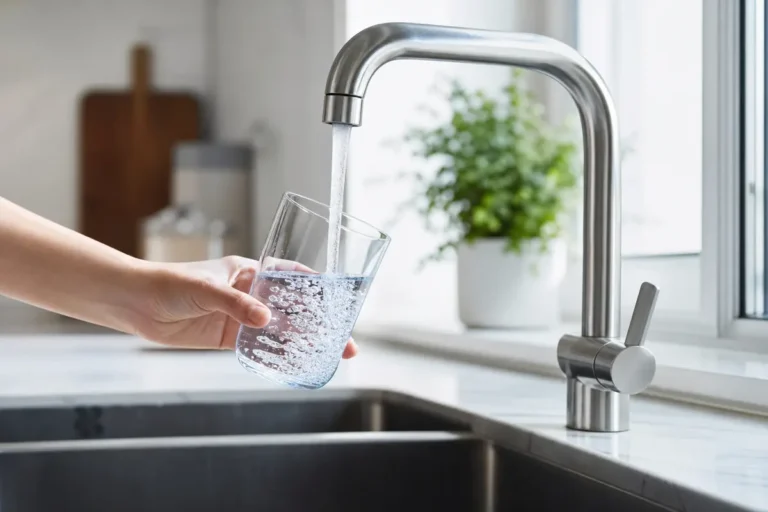
Most people don’t spend much time thinking about the water coming out of their taps. If it looks clear and doesn’t smell strange, it’s easy to assume everything is fine. Then one morning you notice white spots on the kitchen faucet, your shower door looks cloudy, or the water suddenly tastes different. That’s usually when the questions start.
Is the water actually okay? Is the problem the pipes? Do you need a filter, a softener, or something else entirely?
The answer starts with understanding the water in your particular home. Treatment shouldn’t be based on guesswork. What works beautifully for one household might do very little for another.
Clear Water Isn’t Always the Whole Story
Appearance can tell you something, but it doesn’t tell you everything.
Good water quality involves more than whether water looks clean in a glass. Taste, odor, mineral content, and the presence of certain substances can all affect how suitable water is for different household uses.
Municipal water typically goes through treatment before reaching homes, but that doesn’t mean every household experiences exactly the same conditions. Plumbing materials, building age, storage tanks, and local infrastructure can influence what happens between the treatment facility and your faucet.
Private wells have their own considerations. Because homeowners are responsible for their well systems, regular testing can be especially important.
It’s a little like checking what’s under the hood of your car. The outside might look perfect, but that doesn’t tell you how everything is running underneath.
Hard Water Is More Than an Annoying Spot on the Faucet
One of the most common household water complaints is hard water.
Hardness is generally associated with minerals such as calcium and magnesium. These minerals aren’t simply “dirt,” but they can create plenty of practical frustrations.
You might notice mineral buildup around faucets, showerheads, and sinks. Soap may seem less effective. Glassware can come out of the dishwasher covered in spots. Over time, mineral scale may also accumulate inside plumbing and water-using appliances.
For households dealing with significant hardness, a properly selected water softener can help reduce those minerals before the water moves through the home’s plumbing.
But there’s an important point here: not every water problem is a hardness problem. Installing a softener won’t automatically solve issues caused by sediment, odors, bacteria, or other substances.
Why Testing Is Such a Useful First Step
Before choosing treatment equipment, testing can provide a much clearer picture of what’s happening.
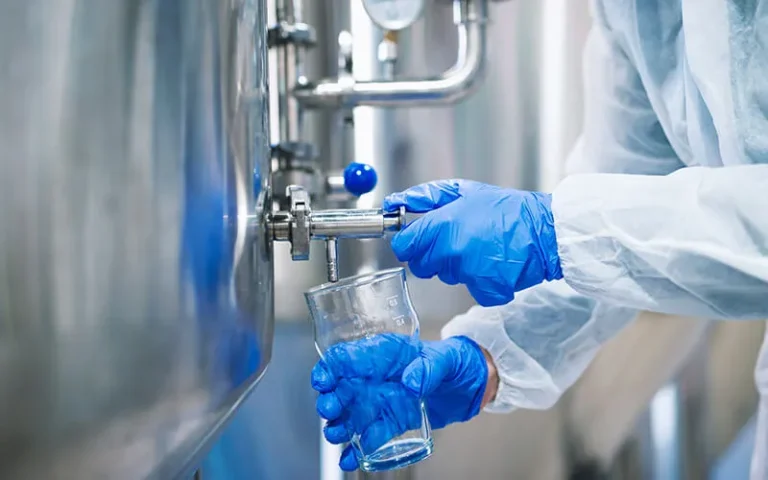
Basic water testing may examine characteristics such as hardness, pH, iron, or other common concerns. More specialized testing can look for specific substances when there’s a reason to investigate them.
This is particularly relevant for private wells. Changes in taste, smell, color, or nearby environmental conditions may be reasons to test, even if the water appears normal.
Testing can also prevent unnecessary spending. Nobody wants to purchase an expensive system only to discover later that it wasn’t designed for the issue they actually had.
In simple terms: find the problem first, then choose the equipment.
Not Every Contaminant Needs the Same Solution
The word contaminants can sound alarming, but it covers a broad range of substances and conditions. Different contaminants require different approaches.
Some filtration systems are designed to reduce sediment or improve taste and odor. Activated carbon can be useful for certain organic compounds and chlorine-related taste and odor concerns. Reverse osmosis systems are commonly used for treating drinking water and reducing certain dissolved substances.
Other concerns may require specialized treatment.
That’s why a product label saying “whole-house filtration” doesn’t necessarily mean the system removes everything you might be worried about. Homeowners should look at the actual treatment claims, certifications where applicable, and the water test results.
A little research upfront can save a lot of frustration later.
Think About How Your Family Uses Water
Water treatment decisions should also reflect daily habits.
A household with several children may use significantly more water than a single-person home. Someone who cooks frequently may care more about drinking-water taste and mineral content. A family with a private well may have different priorities than someone connected to a municipal supply.
Think about the places where water matters most: showers, laundry, cooking, drinking, dishwashing, and appliances.
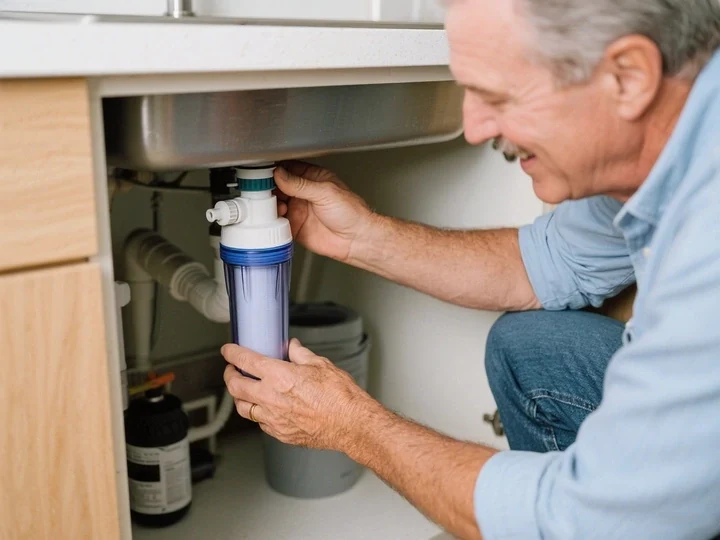
Sometimes whole-home treatment makes sense. In other cases, treating drinking water at the kitchen sink may be enough for a particular concern.
There’s no prize for having the biggest system in the basement.
Your Appliances Can Give You Clues
Household appliances often reveal water problems before people pay attention to them.
A water heater with heavy scale buildup, a dishwasher leaving spots on glasses, or a washing machine that seems to need more detergent than usual can all be clues worth investigating.
Hardness can be especially troublesome for water heaters because mineral scale may accumulate on heating surfaces. That can affect efficiency and, over time, contribute to maintenance issues.
Of course, these symptoms can have other causes too. That’s why testing and inspection matter. A clue is not the same thing as a diagnosis.
Don’t Forget Taste and Odor
People often judge drinking water by taste before anything else.
A chlorine-like taste, metallic flavor, earthy smell, or sulfur-like odor can make people reach for bottled water even when the underlying issue might be treatable.
The solution depends on the cause. Carbon filtration, oxidation, aeration, specialized media, or other treatment methods may be appropriate in different situations.
If the taste or odor suddenly changes, though, don’t simply cover it up with a filter without investigating. A noticeable change deserves some attention.
Maintenance Matters as Much as Installation
A water treatment system isn’t something you install and forget about forever.
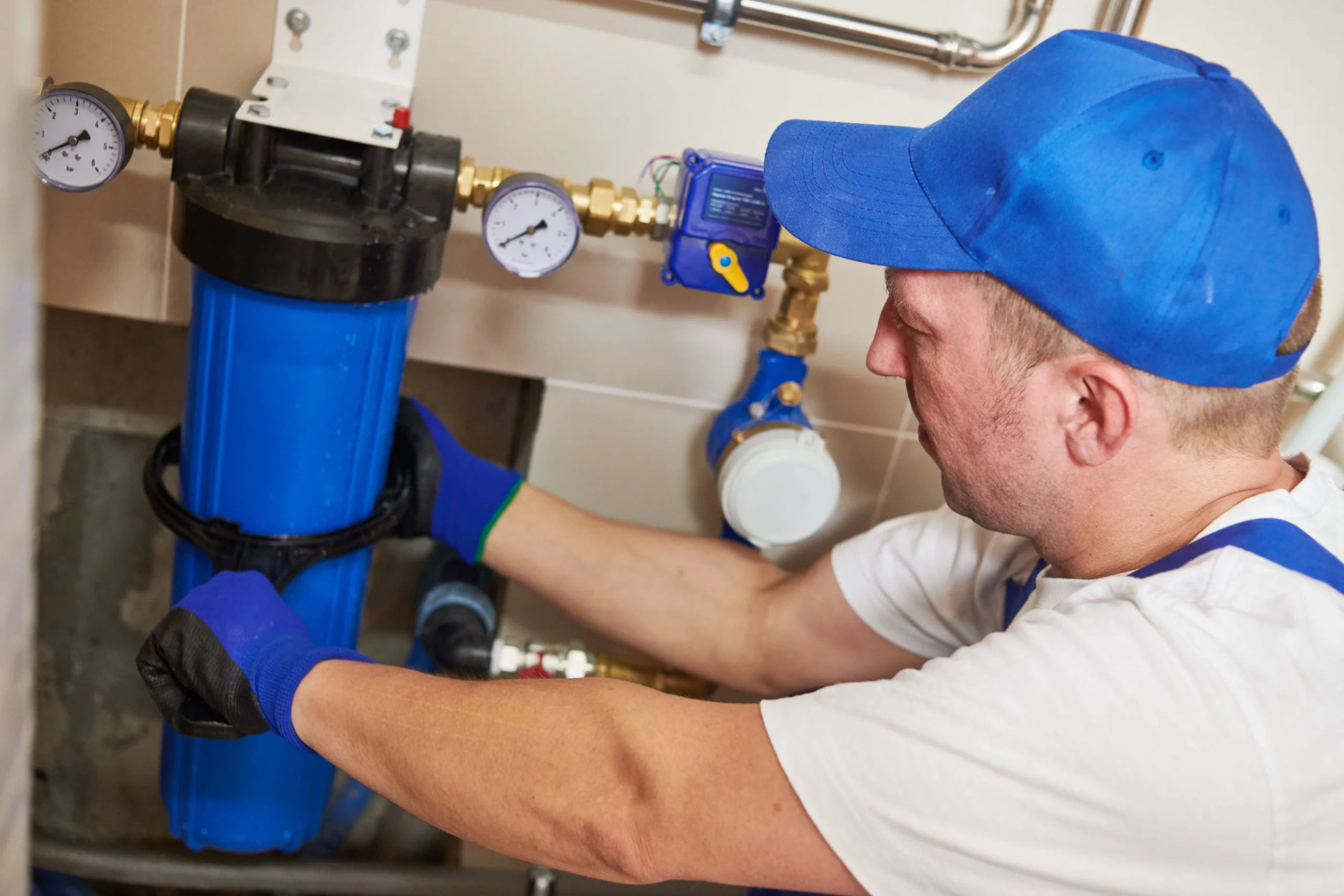
Filters need replacing. Softener systems may require salt or other maintenance. Treatment media eventually loses effectiveness. Valves, tanks, and controls can also benefit from periodic inspection.
Ignoring maintenance can slowly reduce performance, and the frustrating part is that you may not notice immediately.
Keep a simple record of service dates and filter changes. Set reminders if needed. It’s a small habit, but it can keep the system doing what you bought it to do.
Better Decisions Come From Better Information
There isn’t one perfect water treatment system for every home. That’s probably a good thing, because homes and water supplies aren’t identical.
The smarter approach is to understand your source, pay attention to changes, test when appropriate, and choose treatment based on actual conditions.
Maybe your biggest issue is mineral scale. Maybe it’s taste and odor. Maybe a test identifies a specific concern that calls for specialized treatment. Whatever the situation, knowing what you’re dealing with makes the next step much easier.
Water is part of nearly every routine at home. We drink it, cook with it, bathe in it, wash clothes with it, and run appliances with it. A little attention to its quality can go a surprisingly long way.
And once the right solution is in place, the best outcome is often the simplest one: water that works quietly in the background while you get on with your day.