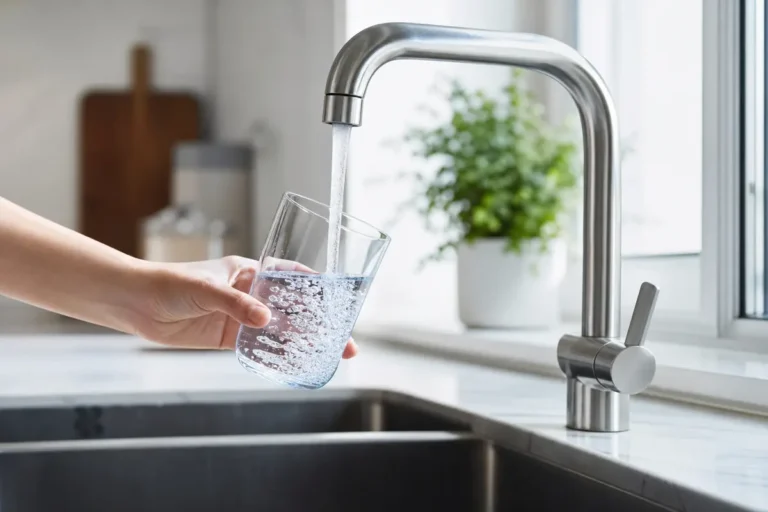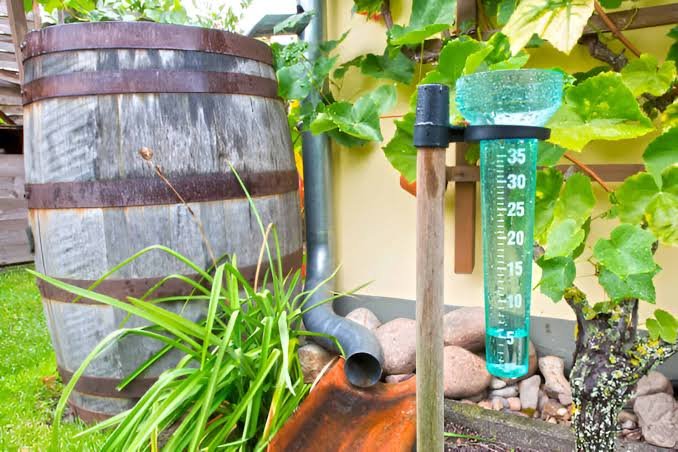
Most of us turn on the tap without giving the water a second thought. It fills the kettle, rinses the dishes, and runs through the shower while we think about the day ahead. But when water starts leaving white marks on the sink, smelling unusual, or tasting different, those little details can raise bigger questions. Is the water safe? Is something wrong with the plumbing? Or is the water simply reacting to the minerals in the local supply?
The truth is, water quality can vary considerably from one home to another. Even houses in the same neighborhood may experience different issues because of plumbing materials, water sources, and household infrastructure. Understanding a few common concerns can help homeowners make sensible decisions instead of buying treatment equipment based on guesswork.
Why Testing Is a Useful Starting Point
Water’s appearance and taste can offer clues, but they don’t tell the whole story. Some substances affect flavor or smell, while others may be present without any obvious warning. That’s why water testing is such an important part of understanding what comes into your home.
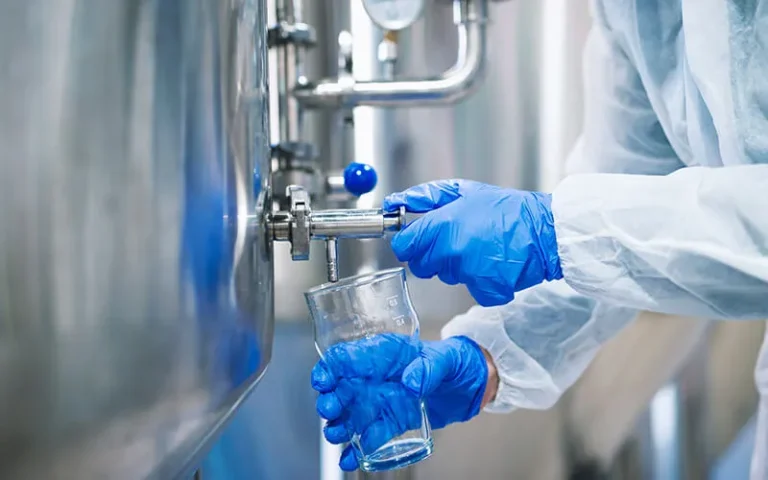
A water test can examine factors such as pH, hardness, iron, manganese, bacteria, and other contaminants, depending on the type of analysis selected. Municipal water users may begin by reviewing their local water-quality report, while private well owners often need to arrange testing themselves.
The right test depends on the water source and the concerns being investigated. If you’re noticing a rotten-egg odor, for example, testing for sulfur-related issues may be more relevant than purchasing a general-purpose filter immediately. A good result doesn’t just identify a problem; it helps narrow down the right solution.
Recognizing the Everyday Signs of Hard Water
One of the most common household water concerns is hard water, which contains higher levels of dissolved calcium and magnesium. These minerals occur naturally and aren’t generally considered harmful at typical household concentrations, but they can be a real nuisance.
White, chalky deposits around faucets are a familiar sign. You might also notice cloudy shower glass, soap that doesn’t lather easily, or laundry that feels less soft than expected. Over time, mineral scale can accumulate inside water heaters, pipes, and appliances that use hot water.
Hard water doesn’t necessarily mean your water is unsafe. The issue is usually related to comfort, cleaning, maintenance, and potential scale buildup. A water softener may help reduce these effects by lowering the concentration of hardness minerals, though the appropriate system depends on the water analysis and household usage.
What Chlorine Does in Drinking Water
For people using a municipal water supply, chlorine is a familiar word on water-quality reports. Water providers commonly use disinfectants to control harmful microorganisms as water travels through treatment and distribution systems.
Chlorine plays an important role in maintaining water safety, but some homeowners dislike its taste or smell. The intensity can vary based on treatment practices, seasonal conditions, and the distance water travels through the distribution network.
If the main complaint is chlorine taste or odor, an activated carbon filter may be helpful. Carbon filtration is commonly used to reduce chlorine and improve the sensory quality of water. However, not every filter removes every contaminant, so homeowners should check the product’s specifications and certifications rather than assuming all filters work the same way.
Different Water Problems Need Different Solutions
It’s tempting to search for one device that promises to fix everything, especially when online advertisements make water treatment sound simple. In practice, different concerns require different technologies.
Sediment filters are designed to capture particles such as sand, dirt, and rust. Water softeners address hardness minerals. Carbon filters may reduce chlorine taste, odors, and certain organic compounds. Reverse osmosis systems can reduce many dissolved substances in drinking water, while UV systems are designed to disinfect water by targeting microorganisms.
The key is matching the equipment to the issue. A softener won’t remove chlorine, and a basic carbon filter isn’t a universal answer for every contaminant. Installing the wrong system can leave the original problem unresolved while adding unnecessary maintenance costs.
Should You Choose Point-of-Use or Whole-Home Treatment?
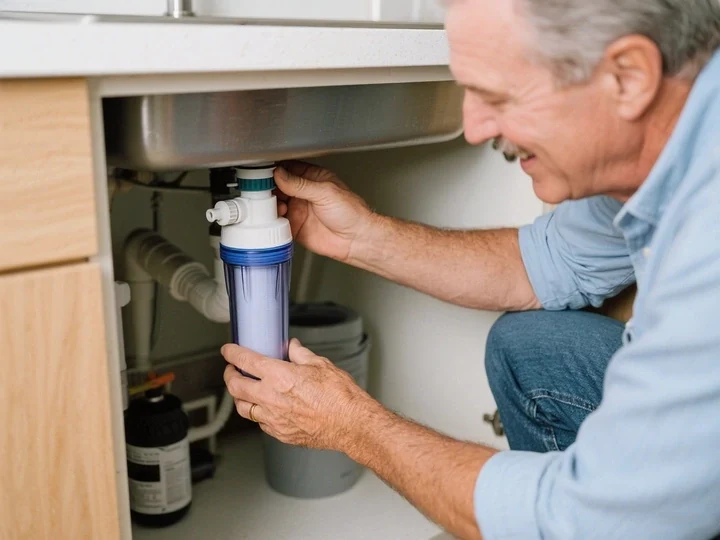
The best treatment location depends on how you use water and what you want to improve. Point-of-use systems, such as under-sink filters, focus on water at a particular faucet. They’re often practical for drinking and cooking needs.
Whole-home systems treat water as it enters the property, allowing multiple fixtures to receive treated water. This may be useful when the concern involves bathing, laundry, sediment throughout the plumbing, or general household water quality.
Neither approach is automatically better for every home. A family mainly concerned about drinking-water taste may prefer a kitchen filter, while a household dealing with widespread scale or sediment may need a broader treatment strategy. Understanding the goal helps keep the decision practical.
Maintenance Shouldn’t Be an Afterthought
Water treatment equipment works best when it’s maintained properly. Filters have replacement schedules, softeners may need salt and periodic checks, and specialized systems can require professional servicing. Ignoring these requirements may reduce performance and create avoidable problems.
Before purchasing a system, ask about the cost and availability of replacement filters, how frequently components need attention, and whether the equipment includes monitoring features. A low upfront price isn’t always the most economical choice if replacement parts are expensive or difficult to find.
Homeowners should also pay attention to changes after installation. A sudden drop in water pressure, unusual taste, or return of mineral buildup may indicate that a filter needs replacement or that the system requires inspection.
Making a Confident, Informed Choice
Improving household water quality starts with curiosity and a little patience. Instead of reacting to one unpleasant smell or a sales claim, identify the concern, test the water when appropriate, and compare solutions based on verified performance.
A qualified water-treatment professional can help interpret test results and explain which technologies are suitable for the conditions in your home. It’s worth asking direct questions: What does this system remove? What doesn’t it remove? How often does it need maintenance? What will it cost to operate over time?
Water is too important to approach with guesswork. Whether your goal is better-tasting drinking water, fewer mineral deposits, or a more comfortable daily routine, the right information can make the process much easier. A thoughtful treatment decision won’t just address today’s frustration—it can also help you care for your home’s plumbing and water-using appliances for years ahead.