Most of us don’t spend much time thinking about water. Turn the tap, fill the glass, take a shower, move on with the day. It’s only when something changes that we really notice it. Maybe the water tastes different. Perhaps there’s an odd smell after a storm, or a filter seems to clog much faster than usual.
Those little changes can be easy to dismiss, especially when life is already busy. But water quality is one of those household details where paying attention early can save frustration later. You don’t need to become a water expert, either. A few sensible checks and the right equipment can go a long way.
The goal isn’t to make water treatment complicated. It’s to understand what’s happening and make practical choices based on what your home actually needs.
Small Clues Can Point to Bigger Questions
Your senses are useful, but they’re not a complete testing kit. Clear water can still contain dissolved minerals, while cloudy water may simply be caused by trapped air. A metallic taste might have a harmless explanation, or it could indicate an issue worth investigating.
Start by noticing patterns. Does the taste occur all the time or only after the water has been sitting in the pipes? Does an odor appear only when you use hot water? Are stains showing up on laundry, sinks, or bathroom fixtures?
These details give you a starting point. Instead of treating every symptom with a different gadget, you can look for the underlying cause.
Testing Should Come Before Guessing
When homeowners aren’t sure what is happening with their water, water testing is often the most useful first step. Testing can provide information about characteristics such as hardness, pH, iron, sediment, and other factors that aren’t visible to the naked eye.
This matters because treatment equipment is designed for particular jobs. A system intended to address hard water isn’t necessarily designed to remove sediment or solve every taste and odor problem.
Think of testing as getting a diagnosis before choosing the treatment. You wouldn’t replace a car’s transmission because the check-engine light came on, so why spend money on water equipment without understanding the problem?
Technology Can Make Monitoring Easier
Once water treatment is in place, homeowners sometimes assume the job is finished. It isn’t quite that simple. Conditions can change, filters can become loaded, and equipment can drift from its ideal settings.
Modern smart water monitoring technology can help homeowners keep a closer eye on water use and, depending on the equipment, identify unusual patterns such as unexpected flow or possible leaks.
That’s particularly useful when nobody is home. A small leak under a sink might not look serious at first, but hours of unnoticed water flow can turn a minor plumbing issue into an expensive cleanup.
Smart monitoring isn’t a replacement for good plumbing or professional inspection. It’s more like having another set of eyes on the system.
Drinking Water Is Only One Part of the Picture
When people talk about water quality, they often focus on what’s coming from the kitchen faucet. That’s understandable—we drink and cook with it every day.
But water is also used for bathing, washing clothes, cleaning dishes, filling appliances, and dozens of other household tasks. Depending on the problem, a point-of-use drinking filter may be enough, while another home may benefit from broader treatment.
The right choice depends on what you’re trying to improve. There’s no prize for installing the biggest system available if a smaller solution handles the actual concern.
Water Dispensers Can Improve Everyday Convenience
Sometimes the issue isn’t treatment at all. It’s simply having convenient access to pleasant-tasting drinking water.
For homes, offices, waiting rooms, workshops, and other spaces, water coolers & dispensers can make drinking water easier to access throughout the day. That convenience matters more than it sounds. If cold, refreshing water is readily available, people are more likely to reach for it instead of grabbing another sugary drink.
Different dispenser styles suit different environments. Some are bottle-fed, while others connect directly to a water supply and may include filtration. Capacity and maintenance should be considered along with appearance.
A dispenser that looks great in a showroom but is awkward to clean isn’t much of a win.
Don’t Overlook Water Use and Waste
Another useful habit is simply paying attention to how much water your household uses. Sudden increases can sometimes indicate a leak or a plumbing problem.
A dripping faucet is easy to ignore because the individual drops seem insignificant. But persistent leaks add up. The same goes for toilets that run intermittently or outdoor plumbing that leaks underground.
Monitoring water consumption can help reveal unusual patterns before the monthly bill becomes the first warning sign.
Maintenance Keeps Equipment Working Properly
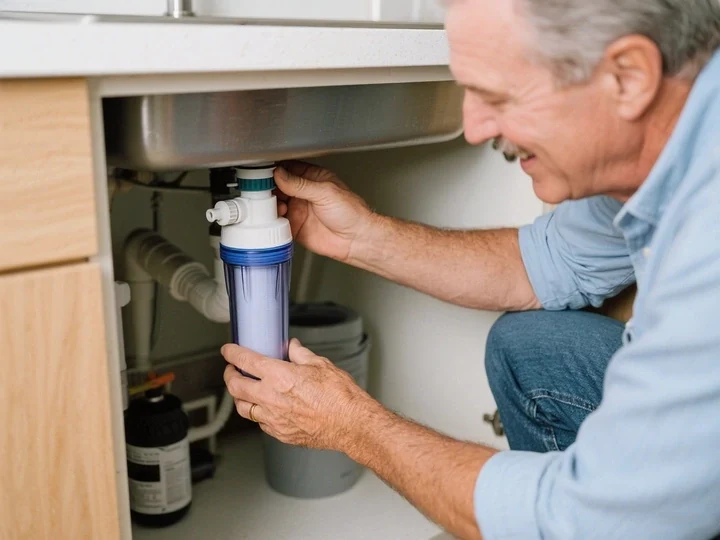
Water treatment equipment isn’t completely hands-off. Filters have service intervals, membranes may need replacement, and mechanical components can require inspection.
The good news is that routine maintenance is usually straightforward when it’s planned. The problem comes when it gets forgotten.
Keep a simple record of filter changes and service dates. If your system has monitoring features, pay attention to alerts rather than ignoring them. And if water quality suddenly changes, investigate instead of assuming the equipment will correct itself.
A five-minute check can sometimes prevent a much larger headache.
Don’t Let Fancy Features Distract You
The water-treatment industry has plenty of impressive technology, and some of it is genuinely useful. But homeowners should be careful not to confuse features with benefits.
Ask a simple question: What problem does this feature solve?
If a monitoring function helps identify leaks, great. If a filtration stage addresses something confirmed by testing, even better. But if a feature exists mainly because it sounds advanced, it may not be worth paying extra for.
Good water management is surprisingly practical. You don’t need a complicated setup to get meaningful results.
A Little Awareness Goes a Long Way
Your home’s water doesn’t need to become another thing you obsess over. The idea is much simpler: notice changes, test when necessary, maintain the equipment you have, and make treatment decisions based on evidence rather than assumptions.
For some households, that might mean improving drinking water. For others, it could mean monitoring consumption, addressing a recurring quality issue, or simply making clean water more convenient throughout the day.
The best approach is usually the one that fits naturally into your routine. When water quality becomes something you understand instead of something you wonder about, household decisions get easier—and that’s a pretty useful upgrade in itself.