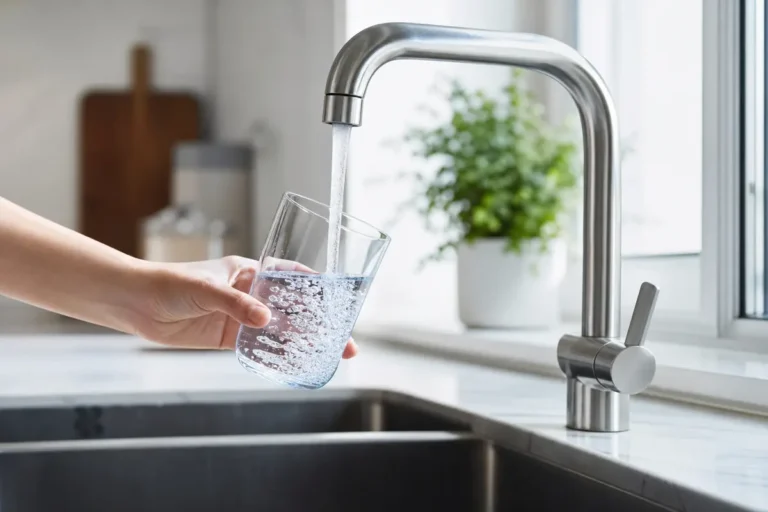
Water plays a bigger role in daily life than most of us realize. We use it to make coffee in the morning, wash vegetables for dinner, clean our homes, and keep workplaces running smoothly. When something feels off, even a small change in taste, odor, or appearance can become frustrating. And sometimes, the problem goes beyond convenience, especially when water quality affects plumbing, equipment, or business operations.
Finding the right treatment doesn’t have to be complicated. The key is understanding your water, identifying the issues that matter, and choosing a solution that makes sense for your property. With a little research and the right professional guidance, better water can become a practical, long-term improvement rather than another household expense.
Why Water Quality Should Never Be Overlooked
Water quality varies from one location to another. Some homes receive municipal water that has already undergone treatment, while others depend on private wells. Even within the same neighborhood, mineral levels, plumbing conditions, and water usage can create different challenges.
Hard water is a common example. It contains elevated concentrations of calcium and magnesium, which can leave spots on glassware, create scale around faucets, and gradually build up inside water heaters. Other households notice chlorine odors, sediment, or an unpleasant metallic taste.
Commercial properties may face additional concerns. Restaurants need dependable water for cooking, beverage preparation, and cleaning. Offices rely on convenient drinking-water access, while manufacturing facilities may require specific water characteristics for their equipment and processes.
The important thing is not to assume every water problem has the same cause. Clear water can still contain dissolved substances that aren’t visible, and cloudy water doesn’t automatically reveal which contaminant is responsible. Proper testing provides a more reliable starting point than guesswork.
Understanding Reverse Osmosis for Drinking Water
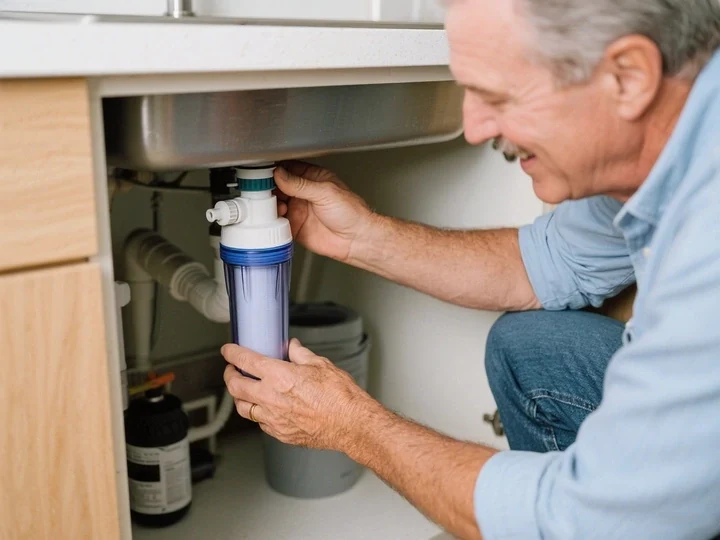
For households that want to improve their drinking water, filtration options range from simple pitcher filters to advanced under-sink systems. One popular choice is reverse osmosis, a process that pushes water through a semipermeable membrane to reduce many dissolved contaminants.
Well-designed reverse osmosis drinking water systems can reduce substances such as dissolved salts, lead, arsenic, and certain other contaminants, depending on the particular system and its verified performance. Many systems also include sediment and carbon filters to protect the membrane and improve taste and odor.
These systems are especially useful when water testing identifies contaminants that ordinary carbon filtration may not adequately address. They can also appeal to people who dislike the taste of their tap water and want a dedicated drinking-water faucet in the kitchen.
However, reverse osmosis isn’t a universal answer to every water concern. It does not automatically make contaminated water safe under all circumstances, and its effectiveness depends on proper installation, maintenance, and the specific substances present. Some systems also remove minerals that contribute to water’s taste.
There are practical considerations, too. Traditional reverse osmosis units may send some water to the drain during operation, although efficiency varies by design. Filters and membranes require replacement at recommended intervals, and storage tanks or dispensing components need appropriate care.
Before buying a system, check its certification and contaminant-reduction claims. Independent certification from organizations such as NSF can help consumers determine whether a product has been tested against relevant standards. The exact certification matters; a product certified for one purpose isn’t necessarily certified to reduce every contaminant.
Why Homes and Businesses Need Different Solutions
A treatment system designed for a family kitchen may not be suitable for a busy restaurant or commercial facility. Water demand, operating hours, equipment requirements, and local water conditions all influence the right approach.
Professional residential and commercial water treatment services can help property owners assess these differences and choose equipment accordingly. Residential solutions may include drinking-water filtration, whole-house sediment filtration, water softeners, and specialized treatment for private wells.
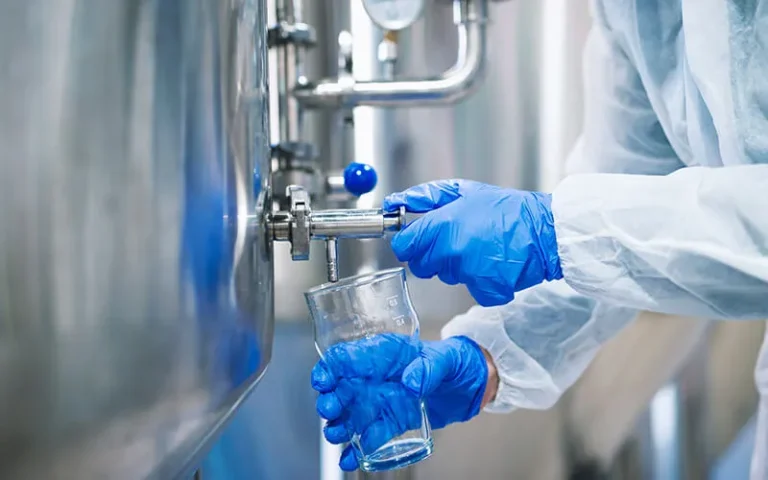
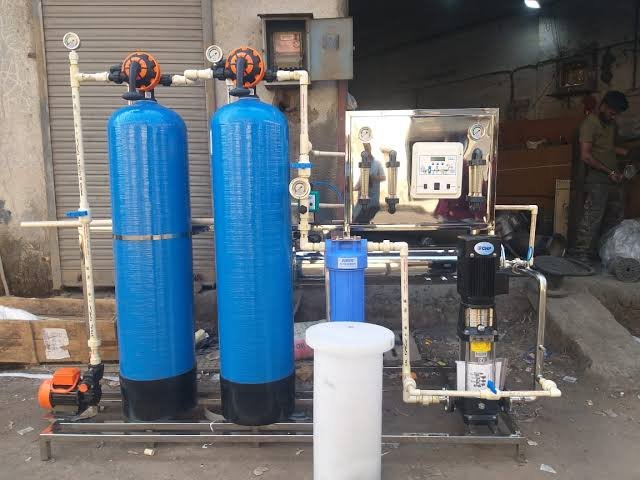
Commercial applications can be more demanding. A café may need consistent water quality to protect espresso machines and produce better-tasting beverages. A hotel may require treatment to reduce scale across numerous bathrooms and hot-water systems. Certain industrial operations may need carefully controlled water characteristics to support production quality.
A good treatment plan begins with an assessment rather than a sales pitch. Professionals should ask about water sources, daily consumption, existing plumbing, and the specific problems a customer wants to solve. They should also explain the limits of proposed equipment, including maintenance needs and operating costs.
Installation is only one part of the job. Regular inspections, filter changes, sanitation where appropriate, and performance checks help keep a system working as intended. For commercial businesses, planned maintenance can be particularly valuable because unexpected equipment problems may interrupt operations or create avoidable expenses.
Water Testing Makes the Decision Easier
It’s tempting to purchase a filter after noticing an unpleasant smell or reading about a particular contaminant online. But choosing equipment before understanding the problem can lead to unnecessary spending and disappointing results.
If you’re concerned about your water, schedule a water test through an appropriately qualified laboratory, water professional, or local public-health resource. The correct testing method depends on the water source and the concern being investigated.
Private well owners should pay particular attention to testing for bacteria, nitrates, and other locally relevant contaminants. Flooding, nearby agricultural activity, changes in the well’s surroundings, or sudden differences in water quality may justify additional testing. Public water customers can review their supplier’s water-quality report and seek further testing if they suspect a problem inside their home.
A basic hardness test can help determine whether a softener may be useful, while specialized laboratory analysis can investigate substances that ordinary home test strips may miss. When collecting a sample, follow the laboratory’s instructions carefully. Incorrect containers, handling, or storage can affect results.
Once you have the findings, ask which contaminants exceed applicable standards or guidelines, which treatment options are suitable, and whether follow-up testing will be necessary. Clear answers make it easier to compare systems based on actual performance rather than marketing language.
Balancing Cost, Maintenance, and Long-Term Value
The purchase price of a water treatment system is only part of the overall expense. Replacement filters, membrane changes, salt for softeners, electricity, water waste, and professional servicing can all affect the long-term budget.
Before committing, request a clear breakdown of installation and ongoing costs. Ask how often components need replacement, whether replacement parts are readily available, and what happens if the system stops working. For businesses, it’s worth considering whether the provider offers scheduled maintenance to reduce downtime.
It’s also wise to avoid paying for features you don’t need. A complex whole-house system may be unnecessary if your only concern is the taste of drinking water. On the other hand, a small countertop filter may not address a problem affecting several appliances throughout a property.
The best investment is one that solves the identified problem reliably and remains manageable over time.
Small Steps Toward Better Water
Water treatment works best when it begins with a clear understanding of what’s flowing through your taps. Keep up with recommended testing, maintain plumbing fixtures, replace filters on schedule, and investigate sudden changes instead of ignoring them.
For businesses, consistent maintenance and appropriate monitoring can protect equipment while supporting a better experience for employees and customers. For homeowners, the benefits may be as simple as better-tasting drinking water, fewer mineral deposits, or greater confidence in a private well.
Ultimately, better water isn’t about buying the most expensive equipment on the market. It’s about making an informed decision based on reliable information. Start with the water itself, understand your priorities, and choose a treatment solution that fits your needs. That thoughtful approach can deliver lasting value, one glass of water at a time.