A water treatment system can quietly become one of the most useful pieces of equipment in a home. When everything is working properly, you probably don’t think about it much. The water tastes better, scale stays under control, appliances run normally, and life carries on.
Then something changes.
Maybe the water pressure drops. A strange taste appears. The softener stops regenerating. Filters look overdue for replacement, or a system that once worked beautifully suddenly seems less effective. Usually, these problems don’t appear out of nowhere. More often, they’re signs that routine attention has been pushed aside for too long.
Water treatment equipment needs care just like any other household system. A little maintenance today can prevent a frustrating and expensive problem tomorrow.
Don’t Wait for Something to Break
One of the easiest mistakes homeowners make is treating maintenance as something that only happens after equipment stops working.
That approach is understandable. If the water still looks fine, why call anyone?
The trouble is that water treatment equipment can gradually lose performance without making a dramatic fuss. Filters become clogged. Components wear down. Settings drift. Mineral buildup can affect moving parts. A system might still produce water, but not at the level it was designed to provide.
Regular system maintenance gives you a chance to catch those smaller issues before they become bigger ones. During a service visit, a technician can inspect components, check settings, look for leaks, evaluate performance, and determine whether replacement parts or cleaning are needed.
It’s not particularly exciting work, admittedly. But neither is dealing with a failed system on a Saturday morning.
Filters Deserve More Attention Than They Get
Filters are often the first part of a treatment system to show signs of neglect.
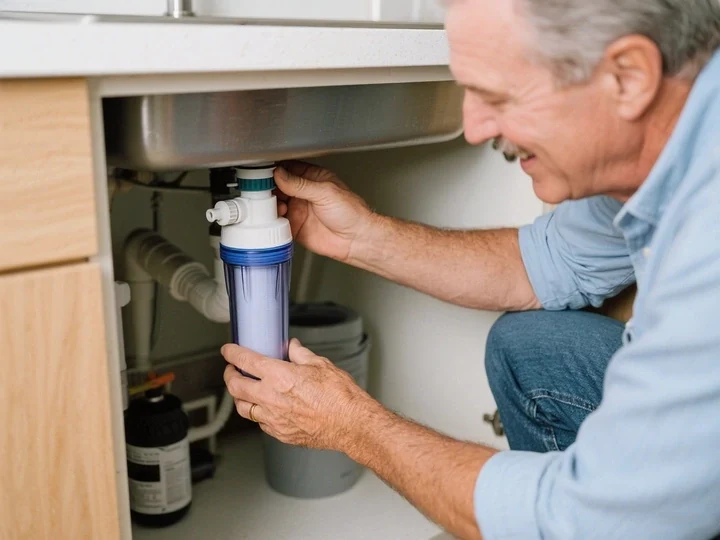
As filters capture sediment, particles, or other unwanted material, they gradually become loaded. Once that happens, water flow can decrease and the equipment may have to work harder. In some situations, an overdue filter can also affect the quality of the water being treated.
Replacement schedules vary depending on the type of filter, incoming water quality, household usage, and manufacturer’s recommendations. There isn’t a universal “change it every X months” rule that works perfectly for everyone.
Pay attention to changes in water pressure, taste, odor, and appearance. Those aren’t definitive diagnostics, but they can be useful warning signs.
Your Water Softener Needs Attention Too
Water softeners work behind the scenes, which makes them easy to forget. A homeowner may remember to add salt but overlook everything else.
A softener has valves, resin, controls, connections, and settings that all play a role in its performance. If the system isn’t regenerating correctly or the settings don’t match the household’s water use, you may start noticing scale or changes in how the water feels.
Sometimes the solution is simple. Other times, the system needs a proper inspection.
This is also where good maintenance habits pay off. Keeping the brine tank reasonably clean, checking salt levels, and following recommended service intervals can help the equipment operate more consistently.
Know When Professional Help Makes Sense
Not every water treatment issue requires a technician. Replacing an accessible filter or checking a salt level may be straightforward.
But leaks, electrical problems, unusual noises, pressure changes, valve issues, or unexplained drops in performance are different matters.
Professional repairs & service can help identify the actual cause instead of treating the symptom. That’s important because replacing one component without finding the underlying problem may only provide a temporary fix.
For example, low water pressure might be caused by a clogged filter, a valve problem, plumbing restrictions, or another issue somewhere in the system. Guessing can become an expensive game of trial and error.
A trained technician has the tools and experience to narrow things down more efficiently.
Don’t Let the Salt Tank Run Empty
For households using a salt-based softener, keeping an eye on the salt supply is a small task that can have a surprisingly big impact.
When the tank runs empty, the softener may no longer have what it needs for its normal regeneration process. Depending on the equipment and water conditions, hardness can eventually begin passing through the system.
A reliable salt delivery service can make things easier for homeowners who don’t want to keep track of heavy bags, storage space, and refill schedules. It can be especially convenient for larger households or people who simply prefer having the supply handled automatically.
Still, even with scheduled delivery, it’s sensible to occasionally look inside the brine tank. A quick glance can tell you whether the salt level looks normal and whether something unusual, such as bridging, appears to be happening.
Watch for Salt Bridges and Other Simple Problems
Sometimes a softener seems empty when there is actually plenty of salt in the tank. A hardened layer can form across the top, creating a gap underneath. This is commonly known as a salt bridge.
The result? The system may not be getting the salt it needs even though the tank appears full.
Other issues can include salt mushing, clogged components, or improper settings. These problems aren’t always obvious to someone seeing the equipment for the first time.
If you’re unsure about what you’re looking at, don’t start poking around aggressively. A professional inspection is usually safer and more useful than turning a small problem into a broken component.
Keep an Eye on Water Quality
Maintenance isn’t only about the equipment. It’s also about the water coming out of your taps.
If your water suddenly tastes different, develops an unusual smell, becomes cloudy, or starts leaving deposits where it didn’t before, pay attention.
Changes can happen for many reasons, including shifts in incoming water quality, exhausted filters, equipment problems, plumbing work, or changes in water usage. For homes using private wells, seasonal changes can also influence water characteristics.
Testing can provide information that appearance alone can’t. If something seems different, checking the water rather than simply changing equipment at random is usually the smarter move.
Maintenance Can Protect Your Investment
Water treatment equipment isn’t usually purchased on impulse. A properly installed system represents an investment in household comfort, water quality, and sometimes appliance protection.
Neglecting it doesn’t make that investment disappear. It simply increases the chance that the equipment won’t deliver the performance you expected.
Routine inspections can identify worn components early. Timely filter changes can support proper flow. Correct settings can prevent unnecessary regeneration or inadequate treatment. Keeping consumables stocked helps the system continue operating as intended.
None of these tasks is glamorous, but together they make a difference.
Keep Simple Records
You don’t need a sophisticated maintenance management system at home.
Write down when filters were changed. Note service dates. Keep track of repairs and replacement parts. If you have a softener, make a rough note of salt usage.
These small records can become surprisingly useful. If water quality changes later, you’ll have a timeline to work from. A technician can also understand what has already been done instead of starting from scratch.
It takes perhaps five minutes to update a maintenance note. That’s time well spent.
The Best Maintenance Is the Kind You Actually Keep Up With
Water treatment maintenance doesn’t need to become another chore that takes over your weekend. The goal is consistency, not perfection.
Check the system occasionally. Replace filters according to their needs. Keep consumables available. Watch for changes in water quality or equipment behavior. And when something seems beyond a basic homeowner check, get professional help before the issue grows.
A water treatment system should make daily life easier, not become another source of stress.
The funny thing about maintenance is that success often looks like nothing happening at all. No sudden leaks. No unpleasant odors. No surprise repair bill. Just clean, dependable water day after day.
And really, that’s the point. A little attention behind the scenes can keep the entire system doing its job quietly — exactly the way you want it.