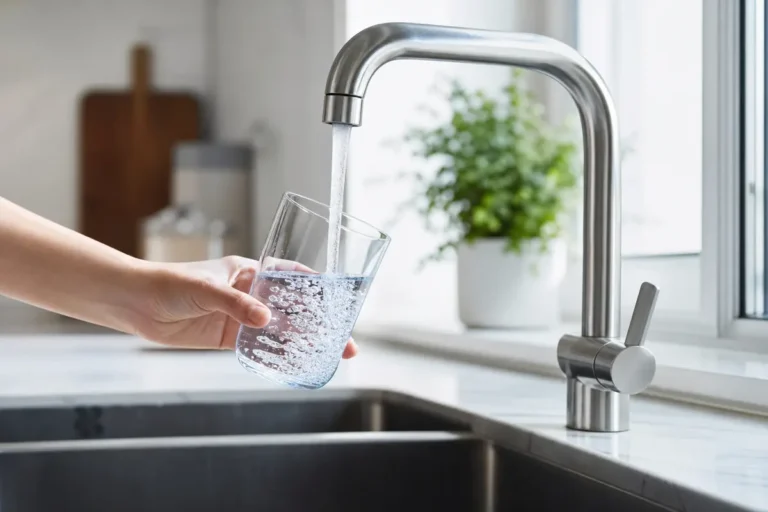
Water is easy to take for granted when a business is busy. Employees turn on faucets, customers order drinks, equipment runs through cleaning cycles, and nobody gives much thought to what happens between the pipes and the point of use. Then a scale-covered fixture, strange odor, low pressure, or equipment problem appears, and suddenly water becomes everyone’s concern.
For commercial properties, water quality isn’t just about taste. It can affect equipment, maintenance schedules, operating costs, customer experience and, in some industries, the quality of the final product. A thoughtful water-management plan can prevent small annoyances from becoming expensive operational problems.
The first step is understanding that every commercial property has different needs. A restaurant, hotel, office building, healthcare facility and manufacturing site can use water in completely different ways. The right treatment approach should reflect those differences rather than relying on a one-size-fits-all package.
Start by Understanding Your Water
Before choosing equipment, find out what is actually happening with the water supply. A basic assessment can identify hardness, sediment, mineral content, pH and other characteristics that may influence treatment decisions.
This is particularly important in larger buildings because water travels through more plumbing and serves more fixtures. A problem that seems minor at one faucet may be affecting an entire system.
Testing also gives property managers something concrete to work with. Instead of saying, “The water doesn’t seem right,” you can identify the specific issue and consider practical ways to address it.
Commercial Needs Are Different
Residential water treatment is often designed around a family’s daily routines. Commercial properties have another layer of complexity. Water demand can fluctuate dramatically throughout the day, and certain equipment may require specific water conditions to operate reliably.
That’s why commercial solutions need to be designed around usage rather than simply the size of the building. A busy restaurant may need to think about dishwashing, food preparation, ice machines and steam equipment. A hotel might be more concerned with guest rooms, laundry and hot-water systems.
Capacity matters, but so does consistency. A system that works well during quiet periods but struggles during peak demand isn’t really solving the problem.
Protecting Equipment Can Save Money
Mineral buildup is one of those issues that seems harmless until you see the repair bill. Hard water can contribute to scale inside water heaters, boilers, dishwashers, coffee equipment and other water-using appliances.
Over time, scale can reduce efficiency and increase maintenance requirements. It may also shorten the useful life of expensive equipment.
Water treatment can help manage these issues when the treatment method is appropriate for the water chemistry. Depending on the situation, a business might consider softening, filtration, reverse osmosis or specialized treatment media.
The important thing is not to install every available technology. It’s to identify what the water is doing and address that specific problem.
Pressure and Flow Deserve Attention
Water quality gets most of the attention, but flow is just as important for many commercial operations. A treatment system needs to provide enough water at the right pressure when demand increases.
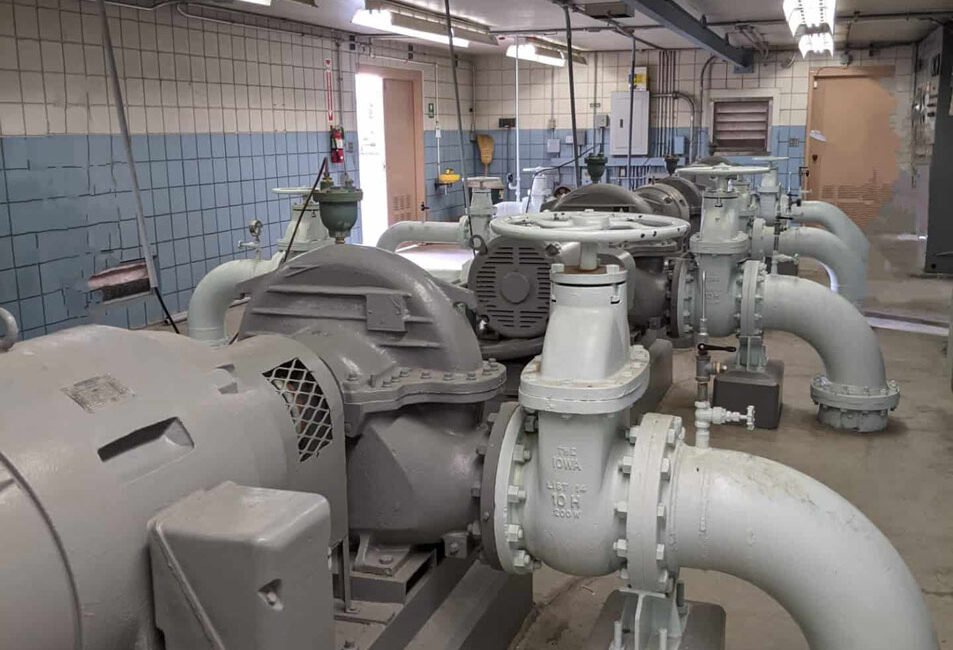
This is where pump systems may become an important part of a property’s overall water strategy. Pumps can help move water through a building or maintain suitable pressure where elevation, building layout or demand creates challenges.
Of course, pumps need to be properly sized. An undersized system may struggle during peak periods, while an unnecessarily large pump can increase energy consumption and operating costs. Professional assessment is useful here because the goal isn’t simply more pressure — it’s dependable pressure.
Testing Is Worth the Time
Some businesses hesitate to test their water because they assume the process will be complicated or expensive. But testing can be one of the most useful early steps.
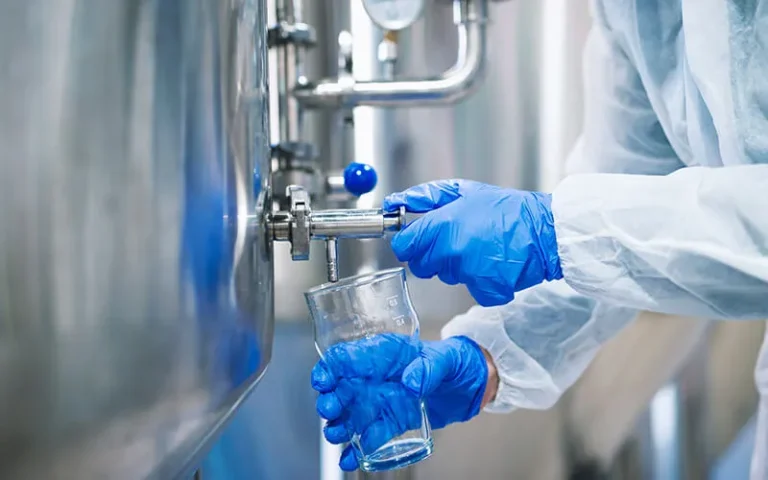
Free water testing programs, when available, can provide an initial picture of what’s happening in the supply. That information can help property owners decide whether more detailed laboratory analysis or professional treatment is necessary.
A test is especially valuable when there are recurring complaints. If employees notice an unusual taste, customers mention odor, or equipment develops deposits faster than expected, testing can help separate perception from an actual water-quality issue.
It’s a small step that can prevent a lot of guesswork.
Consider How the Water Is Used
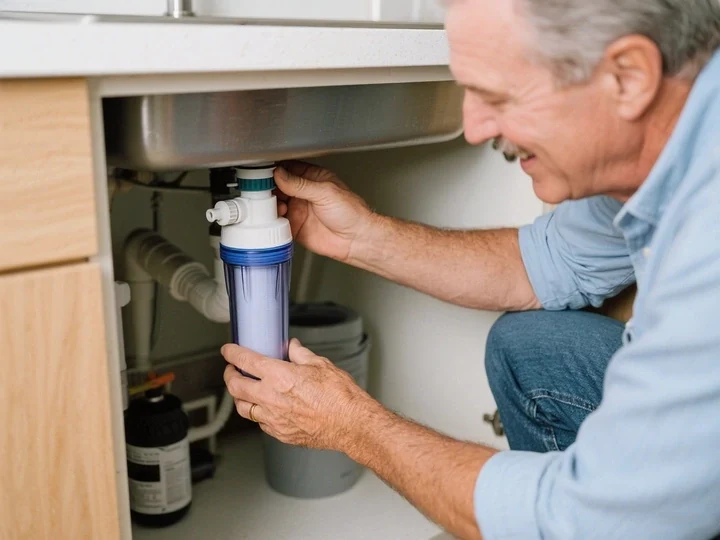
Not every commercial property needs the same level of treatment at every point of use. Sometimes a whole-building solution makes sense. In other cases, certain applications may require additional point-of-use treatment.
For example, drinking water in an office might need different treatment considerations from water feeding a production process. A restaurant may have separate concerns for cooking, ice production and cleaning.
Mapping water use throughout the building can reveal where treatment will have the greatest impact. It also prevents businesses from spending money on equipment where it isn’t necessary.
Maintenance Should Be Part of the Plan
Even a well-designed system needs ongoing attention. Filters eventually become saturated, membranes need servicing and pumps require inspection. If maintenance is ignored, performance can gradually decline.
Commercial operators should establish a clear maintenance schedule and know who is responsible for each task. Keeping records of filter changes, inspections and repairs can also make recurring problems easier to identify.
This is particularly important for businesses that depend heavily on water. A small issue discovered during routine service is usually much easier to handle than a system failure in the middle of a busy operating day.
Think About Total Operating Cost
The purchase price of treatment equipment is only part of the financial picture. Businesses should also consider electricity, replacement filters, salt or treatment media, water consumption, labor and scheduled service.
A cheaper system isn’t necessarily cheaper over five years if it requires frequent maintenance or performs poorly under heavy demand.
On the other hand, buying a highly sophisticated system that doesn’t match the property’s needs can create unnecessary expense. Good water management is about balance: enough capacity and treatment to do the job properly, without paying for features that provide little practical value.
A Practical Approach Pays Off
Water treatment doesn’t have to be an intimidating investment. Start with the basics. Understand the water source, test the supply, identify the problems and map out how water is used throughout the property.
From there, equipment decisions become much easier. You can evaluate treatment methods based on actual needs rather than marketing promises. You can also plan for maintenance, future growth and changing water demands.
For a business, that kind of preparation is valuable. Reliable water supports reliable operations, and reliable operations are good for everyone — employees, customers, equipment and the bottom line.
Sometimes the smartest business decisions aren’t flashy. They’re the quiet ones that prevent problems before they start. Good water management is one of those decisions.