Most people don’t give much thought to the pipes running beneath their property. As long as the shower has pressure, the toilet flushes, and the kitchen faucet delivers clean water, everything feels perfectly normal. Underground plumbing tends to stay out of sight and, thankfully, out of mind.
But when something goes wrong, it can become a very different story. A sudden drop in water pressure, a soggy patch in the yard, an unpleasant smell, or a drain that keeps backing up may point to a larger issue below the surface. Catching these signs early can make repairs simpler and potentially save a homeowner from a much bigger bill.
Small Changes Can Tell You a Lot
One of the first signs of a water-line problem is an unexplained change in pressure. If every faucet in the house suddenly seems weaker, the problem may not be with an individual fixture. It could involve the main supply line or another part of the property’s plumbing system.
Water bills can offer another clue. If usage habits haven’t changed but the bill keeps climbing, a hidden leak is worth investigating. Underground leaks can continue for weeks without producing an obvious puddle, especially when water is absorbed by surrounding soil.
In these situations, water & sewer line repair may be necessary to restore dependable service and prevent further damage. The important part is determining the actual cause rather than simply treating whatever symptom happens to be most noticeable.
Watch What Happens Outside
Your yard can sometimes reveal plumbing trouble before the house does. Unusually green grass in one particular area, soft soil, standing water, or a persistent muddy patch can indicate that water is escaping underground.
Of course, weather can create some of the same symptoms. That’s why context matters. A wet lawn after several days of rain isn’t necessarily a plumbing concern. A soggy patch that remains long after the surrounding ground has dried is a different matter.
Tree growth can also complicate underground plumbing. Large roots naturally search for moisture, and even a small opening in an aging pipe can become an entry point. Over time, roots may restrict water flow or contribute to recurring blockages.
Sewer Problems Often Start Quietly
Sewer-line issues can be particularly frustrating because they don’t always begin with a dramatic backup. You might first notice a slow drain, occasional gurgling, or an unusual odor.
When several drains begin acting strangely at the same time, however, it’s smart to take the situation more seriously. Multiple affected fixtures can suggest that the problem lies farther down the system rather than inside a single sink or bathtub.
Repeated backups shouldn’t simply become part of the household routine. If the same issue keeps returning after basic drain cleaning, there may be a deeper obstruction, damaged pipe, root intrusion, or another underlying problem.
The Importance of the Stop Box
Many properties have a water shutoff located near the property line. Often called a curb stop or stop box, it allows the water service to be controlled from outside the home.
It sounds simple enough, but these components can become difficult to operate as they age. Soil can shift around them, covers can become damaged, and the operating mechanism may corrode or seize.
When the shutoff can’t be accessed or operated properly, stop box repair can become an important part of maintaining the property’s water service. A functioning shutoff isn’t something most homeowners think about on an ordinary Tuesday, but when a pipe suddenly breaks, having reliable access to the water supply can make a stressful situation much easier to manage.
Repair Doesn’t Always Mean Digging Up Everything
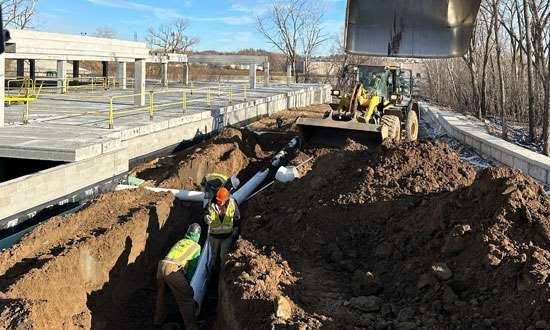
One of the biggest concerns homeowners have about underground plumbing work is excavation. Nobody wants their driveway, garden, walkway, or carefully maintained lawn torn apart unnecessarily.
Fortunately, repair methods have evolved. Depending on the pipe condition, location, accessibility, and local requirements, contractors may be able to use less invasive techniques. Camera inspections can also help identify the problem before extensive excavation begins.
That doesn’t mean trenchless or minimally invasive methods are appropriate for every property. Some damaged lines genuinely need to be excavated and replaced. The best approach depends on what the inspection reveals.
A good contractor should explain the options rather than automatically recommending the most disruptive method.
New Plumbing Needs Thoughtful Planning
For new homes, additions, and property improvements, plumbing should be considered alongside the rest of the construction plan. Water and sewer connections need to work with the building’s layout, grading, utility locations, and future maintenance needs.
Poor planning can create awkward pipe routes, accessibility issues, drainage problems, or expensive changes later in the project.
Proper residential installation is therefore about more than simply connecting a house to existing utility lines. Pipe sizing, materials, connection points, shutoffs, drainage, local codes, and long-term reliability all deserve attention before the work begins.
The goal is to create a system that works quietly for years rather than one that looks fine on completion day but becomes troublesome later.
What Happens During an Inspection?
A professional inspection may involve several steps depending on the suspected issue. Technicians can check water pressure, inspect visible plumbing, look for signs of leakage, and use specialized equipment to examine underground or internal sections of the system.
For sewer lines, a camera inspection can sometimes provide a surprisingly clear picture of what’s happening underground. Cracks, root intrusion, blockages, separated joints, and other defects may be visible without immediately excavating the entire line.
This kind of information makes decision-making easier. Instead of guessing whether a pipe needs repair or replacement, homeowners can base the decision on the actual condition of the infrastructure.
Don’t Ignore Recurring Problems
It’s tempting to keep fixing the same small problem because each individual repair seems manageable. A drain gets cleared, a valve is adjusted, and everything appears normal again.
But recurring problems usually deserve a closer look.
If a toilet repeatedly backs up, water pressure continues to fluctuate, or a particular section of the yard stays wet, the repeated symptom may be telling you something. Addressing the underlying issue can be more practical than paying for temporary fixes again and again.
There’s also a safety element. Significant water leaks can damage structures, encourage mold growth, weaken soil, or affect nearby electrical systems. Sewer failures create their own sanitation concerns.
Good Plumbing Work Is About Prevention, Too
The best time to think about underground plumbing isn’t always when something has already failed. Keeping records of previous repairs, knowing where shutoffs are located, and paying attention to changes in water use can help homeowners stay ahead of trouble.
If a property is older, an inspection may also be worthwhile before a major renovation or landscaping project. Knowing where underground utilities are located can prevent accidental damage and make future work easier to plan.
Water and sewer systems aren’t glamorous. Nobody shows them off to guests. Yet they support almost everything we do at home, from making coffee in the morning to taking a shower after a long day.
When something changes, listen to the warning signs. A little attention early on can often prevent a small plumbing concern from turning into a full-scale property headache. And when professional work is needed, a clear diagnosis and sensible repair plan are usually worth far more than a quick fix that only buys another few weeks of peace.