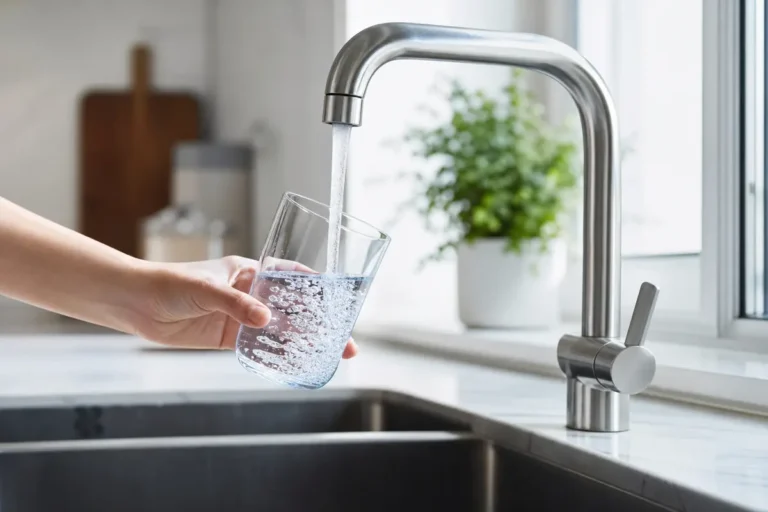
Water treatment is one of those home improvement decisions that often begins with a small frustration. Maybe the water softener runs out of salt at the worst possible time. Perhaps the shower leaves your skin feeling dry, or the kitchen tap has a taste you can’t quite get used to. Sometimes, the issue is less obvious: you simply want to understand your water quality before spending money on equipment.
The good news is that homeowners don’t have to figure everything out at once. From routine service options to water testing and flexible equipment plans, there are practical ways to make water treatment more manageable. The first step is knowing what your household needs and choosing services that solve the problem without creating unnecessary complexity.
Why Regular Water Treatment Support Matters
A water treatment system can work quietly for years, but it still needs attention. Filters become saturated, salt levels drop, and components may require cleaning or replacement. When maintenance is ignored, water quality may gradually decline, and the equipment itself can become less efficient.
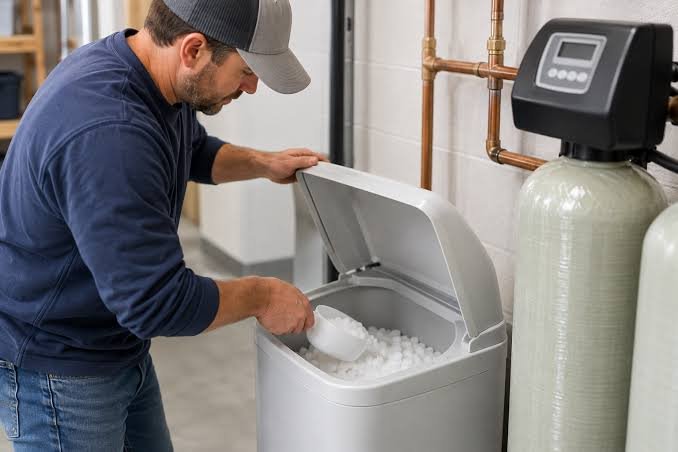
For families using a water softener, keeping the system supplied with the correct type of salt is especially important. Running out doesn’t always cause immediate damage, but it can interrupt regeneration and allow hardness minerals to pass through untreated. That’s why some homeowners prefer a salt delivery service rather than remembering to buy and carry heavy bags themselves.
Scheduled delivery can make routine maintenance less of a chore. Depending on the provider, customers may be able to choose delivery frequency, adjust quantities, or pause service when needed. It’s a small convenience, but small conveniences add up when you’re managing a busy household.
Start with a Free Water Test
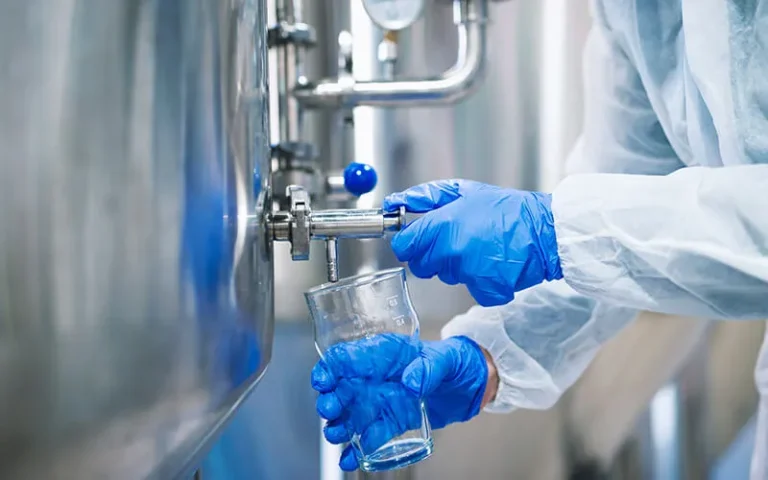
Before investing in new treatment equipment, it helps to understand what is actually in your water. A free water test can be a useful starting point, particularly for homeowners who are noticing changes in taste, odor, staining, or scale.
Free testing offers vary. Some providers perform basic on-site checks, while others collect samples for more detailed analysis. It’s important to ask what the test measures, whether the results are provided in writing, and whether additional laboratory testing is recommended.
A basic test may identify characteristics such as hardness, pH, iron, or chlorine levels. However, it may not cover every contaminant that could affect a water supply. If you’re concerned about bacteria, nitrates, PFAS, or other specific substances, ask whether certified laboratory testing is appropriate.
The purpose of testing should be to guide a decision, not pressure you into buying a particular product. A trustworthy provider should explain the results in plain language and distinguish between a genuine treatment need and an optional water-quality upgrade.
Choosing Equipment That Fits Your Home
Water treatment systems come in many forms, and the right choice depends on the issue you’re trying to solve. A water softener is designed primarily to reduce hardness minerals. A carbon filter may improve taste and reduce certain chemicals. Reverse osmosis is often used for drinking water, while specialized filtration systems may target particular contaminants.
It’s tempting to choose a system based on a long feature list, but bigger isn’t automatically better. A system that is too small may struggle to keep up with household demand. One that is unnecessarily large can cost more to install and maintain without providing meaningful additional benefits.
Consider your water usage, available installation space, plumbing configuration, and long-term maintenance requirements. Ask how much water the system can treat, what happens during regeneration or filter replacement, and whether treated water will be available during those periods.
A good installation should feel like it belongs in your home—not like a complicated machine you have to constantly worry about.
Understanding Trade-In & Rental Programs
The upfront cost of water treatment equipment can make some homeowners hesitate, especially when they’re unsure whether they want to commit to a long-term purchase. That’s where trade-in & rental programs may provide an alternative.
Rental arrangements can allow households to use a treatment system for a recurring fee rather than paying the full purchase price immediately. Depending on the provider, the agreement may include installation, maintenance, repairs, or periodic service. Trade-in programs, on the other hand, may allow customers to replace older equipment with newer technology, sometimes receiving a credit toward the upgrade.
These programs can be useful, but the details matter. Before signing an agreement, review the monthly or annual cost, contract length, cancellation terms, ownership conditions, service coverage, and any additional fees. A low initial payment doesn’t necessarily mean the arrangement will cost less over time.
Ask a simple question: What exactly is included? If maintenance and repairs are covered, that may offer valuable peace of mind. If they’re not, make sure you understand the potential expenses before making a decision.
The Importance of Professional Installation
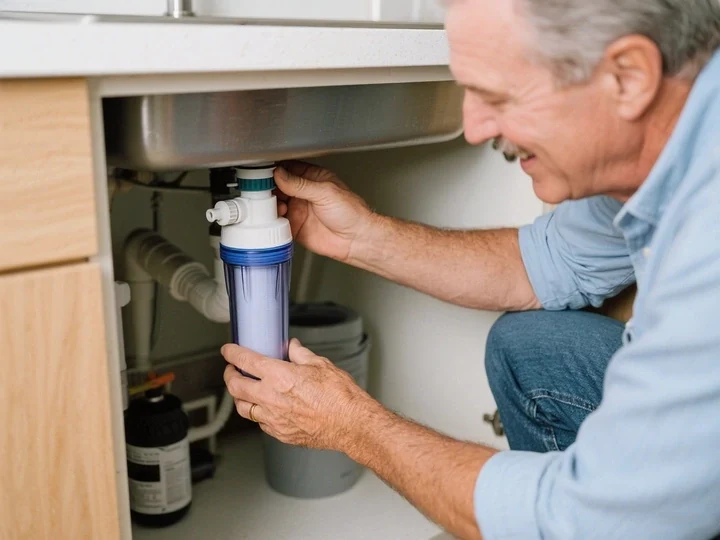
Even a high-quality treatment system can underperform if it’s installed incorrectly. Water pressure, flow rate, drainage, electrical requirements, and plumbing connections all influence how well equipment operates.
Professional installation helps ensure the system is sized and configured for the home. It can also reduce the risk of leaks, poor regeneration, incorrect bypass settings, or other avoidable problems. For systems that discharge wastewater or require drainage, proper installation is particularly important.
When comparing providers, ask whether installation is included, who performs the work, and whether the service comes with a warranty. It’s also worth checking whether the company provides follow-up support after the system is installed. A treatment provider should be available not only on installation day, but when questions arise months later.
Maintenance Keeps the Investment Working
Water treatment equipment isn’t a one-time purchase in the practical sense. It is an ongoing household system, and routine care affects both performance and lifespan.
Depending on the equipment, maintenance may include replacing cartridges, replenishing salt, sanitizing components, checking pressure, cleaning tanks, or inspecting valves and connections. Some systems alert homeowners when service is due, while others rely on a regular schedule.
Keep track of filter changes and service visits. If water begins to taste different, scale returns, or pressure drops unexpectedly, don’t ignore the signs. Early attention can prevent a small issue from becoming an expensive repair.
It’s also smart to ask about the availability and cost of replacement parts before buying. A system may look affordable initially, but difficult-to-source components can make ownership frustrating later.
A Practical Approach to Better Water
Water treatment doesn’t need to become a complicated project. Start by identifying the problem, test the water when necessary, and compare solutions based on performance, maintenance, and total cost.
Services such as salt delivery can simplify routine care. Testing can help you avoid guessing. Rental and trade-in options may provide flexibility when purchasing equipment outright isn’t ideal. Each serves a different purpose, and none should be treated as a universal answer.
The best water treatment decision is one that fits your household’s actual needs. With the right information and dependable support, improving water quality becomes less about managing equipment and more about enjoying the everyday benefits of water that works better for your home.