For many homes and businesses, water quality is something people notice most when it starts causing trouble. A cloudy glass, stubborn scale around a faucet, or a water softener that suddenly stops working can turn an ordinary day into a frustrating one. The equipment may be doing its job quietly for months, but it still needs attention to keep performing properly.
One of the most overlooked parts of water softener ownership is maintaining the salt supply. It sounds simple, yet running out of salt can interrupt the system’s ability to reduce hard-water minerals. When that happens, the familiar signs of hard water may gradually return. A little planning can prevent that inconvenience, especially for households with busy schedules or properties that use a lot of water.
Why Salt Matters in a Water Softener
Traditional water softeners commonly use an ion-exchange process to reduce calcium and magnesium, the minerals primarily responsible for water hardness. Inside the softener, resin beads attract these minerals. Over time, the resin needs to be regenerated, and salt is commonly used during that process.
Salt doesn’t simply “clean” the water in the same way a drinking-water filter does. Instead, it helps restore the resin’s ability to continue exchanging hardness minerals. Without enough salt, the softener may eventually lose effectiveness.
The amount of salt a system uses depends on several factors, including household water consumption, water hardness, system size, and regeneration settings. A small household may use considerably less than a large family, a commercial property, or a business with heavy water demand.
Planning Around a Monthly Salt Sale
For homeowners who prefer to buy supplies in advance, a monthly salt sale can be a convenient way to keep water-softener maintenance affordable. Regular promotions may help customers stock up on the type of salt their system requires, particularly when they already know their approximate monthly usage.
However, price shouldn’t be the only consideration. Water-softener salt is available in different forms, including pellets, crystals, and blocks, depending on the product and equipment. Some systems may have specific recommendations, so it’s worth checking the manufacturer’s instructions before purchasing whatever happens to be discounted.
Storage matters, too. Salt should be kept in a dry, accessible place where bags won’t be exposed to unnecessary moisture. Buying more than you can reasonably store may create clutter or cause the product to harden, making it less convenient to use later.
A sale is most useful when it supports a sensible maintenance routine rather than encouraging unnecessary stockpiling.
The Convenience of Scheduled Salt Delivery
Carrying heavy bags of salt from a store to the car, then from the car to the softener, isn’t exactly anyone’s favorite weekend activity. For older homeowners, busy families, and commercial property managers, the task can be even more inconvenient.
That’s where salt delivery services can make a practical difference. Depending on the provider, customers may be able to arrange recurring deliveries based on estimated usage or request supplies when their salt level begins to drop. Some services may also offer placement near the softener, though the details vary.
Scheduled delivery can reduce the chance of forgetting an essential supply. It may also help businesses avoid disruptions when water-softening equipment supports daily operations.
Still, customers should ask about delivery frequency, minimum order quantities, service areas, fees, and cancellation policies. A delivery plan should fit actual consumption rather than sending more salt than the property needs.
When Commercial Water Filtration Becomes Important
Residential water softeners are designed for household needs, but businesses often face different demands. Restaurants, hotels, laundries, healthcare facilities, offices, and manufacturing operations may use large volumes of water and have equipment that depends on consistent quality.
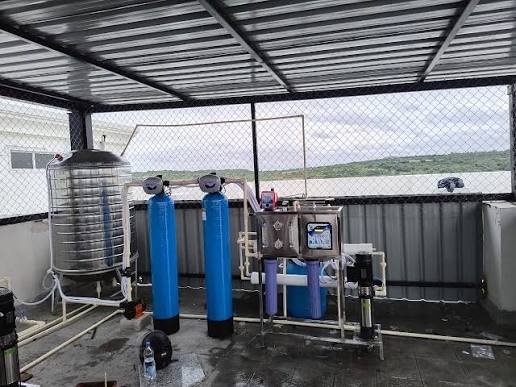
Commercial water filtration systems are designed to address specific water-quality concerns in business environments. Depending on the application, they may help reduce sediment, chlorine, certain dissolved substances, or other targeted impurities. The system selected should reflect the water source, usage volume, operational requirements, and applicable regulations.
For example, a restaurant may be concerned about water affecting beverages, ice machines, dishwashing, or food preparation. A hotel may focus on guest experience, plumbing maintenance, and protecting water-using equipment. An industrial facility may have much more specialized requirements.
Commercial filtration is not simply a larger version of a household filter. Flow rates, pressure requirements, maintenance schedules, and treatment capacity all need careful consideration. A system that works well in a home may be completely unsuitable for a high-demand business.
Understanding the Difference Between Softening and Filtration
Water softeners and filtration systems often get discussed together, but they perform different functions. A softener is primarily intended to reduce hardness minerals. A filter, depending on its design, is intended to reduce particular particles, chemicals, or other contaminants.
This distinction is important because one system may not solve every water concern. A softener may help reduce scale but may not address unpleasant odors. A carbon filter may improve taste and odor but won’t necessarily soften hard water. Likewise, a sediment filter may capture particles without changing the water’s mineral content.
Some properties benefit from using more than one treatment technology. A filtration system may handle sediment or taste concerns, while a softener addresses hardness. The combination should be based on actual water conditions rather than assumptions.
Maintaining Equipment Beyond Salt
Keeping a softener supplied with salt is only one part of proper maintenance. Homeowners should also monitor the brine tank, inspect connections, and watch for signs of reduced performance. Salt bridges, for example, can form when salt hardens into a layer that prevents it from dissolving properly.
The system’s settings should also be reviewed occasionally. If household water usage changes significantly, the regeneration schedule may need adjustment. A system that is too small may struggle with demand, while one that regenerates unnecessarily often may waste water and salt.
For commercial systems, maintenance planning is even more important. Businesses may need documented service schedules, replacement parts, water testing, and professional inspections to keep operations running smoothly.
Choosing a Service Provider Carefully
Whether you’re purchasing salt, arranging deliveries, or exploring filtration for a business, the service provider matters. Look for clear product information, transparent pricing, responsive support, and a willingness to explain the equipment being recommended.
A reputable provider should be able to discuss the difference between salt products, explain delivery terms, and help identify whether a filtration or softening system is appropriate. Be cautious of claims that promise to solve every water issue with one product.
It’s also worth asking about maintenance support. Having someone available when a system needs servicing can be more valuable than saving a small amount on the initial purchase.
A Simple Routine Can Prevent Bigger Problems
Water-softener maintenance doesn’t need to become a complicated project. Checking salt levels regularly, using the recommended product, keeping the equipment clean, and arranging supplies before they run out can prevent many avoidable interruptions.
For businesses, the same principle applies on a larger scale: reliable water equipment depends on planning, proper sizing, and consistent service. Whether the need is a bag of salt for a home softener or a complete filtration setup for a commercial property, the best approach is practical and informed.
Good water management is rarely about one dramatic upgrade. More often, it comes down to small, sensible habits that keep essential systems working as they should. With the right supplies, timely maintenance, and dependable support, water treatment becomes less of a chore and more of a routine that simply works in the background.