Water is one of those things we rarely think about until something seems off. Maybe the shower leaves a chalky film on the glass. Perhaps the kitchen faucet develops white buildup, the laundry feels strangely stiff, or a glass of water has a faint taste you can’t quite explain. None of these problems necessarily means your water is unsafe, but they can be signs that your home’s water could benefit from a closer look.
The good news is that improving household water quality doesn’t have to mean buying the most complicated equipment on the market. The better approach is to understand what’s actually in your water and choose treatment around those needs. A home with hard water has different requirements from one dealing with sediment, unpleasant odors, or concerns about drinking-water quality.
Start by Understanding Your Water
Before choosing a treatment system, it helps to know what you’re trying to solve. Hard water, for instance, contains higher levels of minerals such as calcium and magnesium. These minerals aren’t usually considered a health concern, but over time they can create scale inside plumbing fixtures and appliances. They can also make soaps less effective and leave spots on sinks, faucets, and shower doors.
Other water-quality concerns are different. Sediment can make water appear cloudy or contribute to clogged filters. Certain dissolved substances may affect taste or odor. That’s why guessing based on a neighbor’s setup isn’t always the smartest move. Two houses on the same street can have noticeably different plumbing, usage patterns, or water-quality concerns.
Testing provides a much clearer starting point.
Hard Water Can Affect More Than Your Shower
People often associate hard water with annoying spots on dishes, and that’s certainly part of it. But the effects can extend throughout the house. Mineral deposits may gradually collect inside water heaters, fixtures, and appliances that use water regularly. Over a long period, that buildup can affect efficiency and contribute to premature wear.
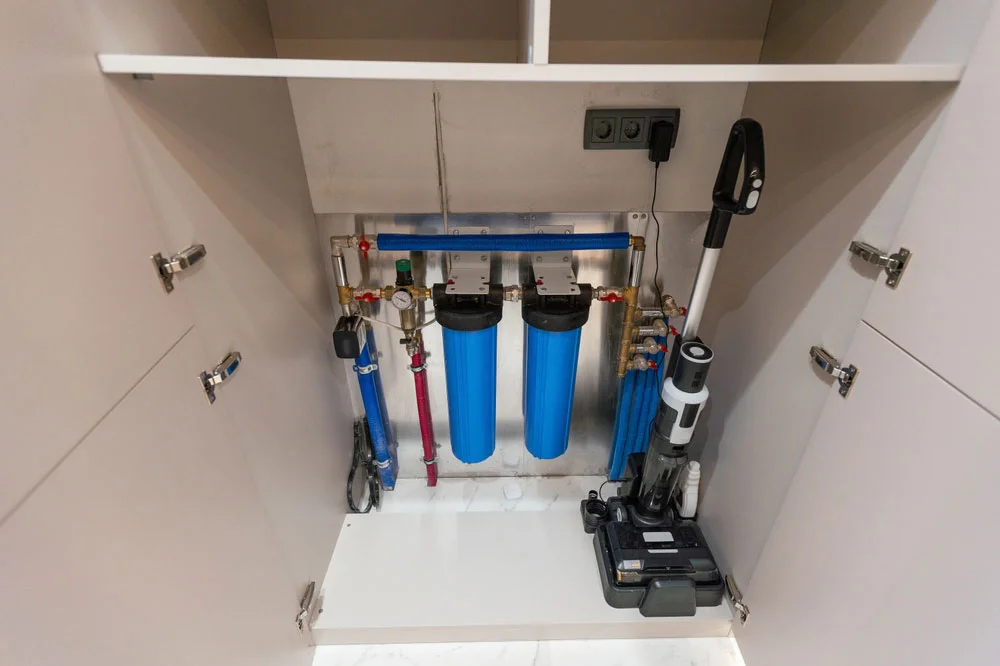
This is where water softeners & whole-home filtration can play different but complementary roles. A water softener is generally designed to address hardness, while whole-home filtration can target other unwanted particles or substances depending on the filter technology selected.
The distinction matters. A filtration system isn’t automatically a replacement for a softener, and a softener isn’t designed to solve every possible water-quality issue. Matching the equipment to the actual problem is what makes a treatment system worthwhile.
Think About the Water You Drink Differently
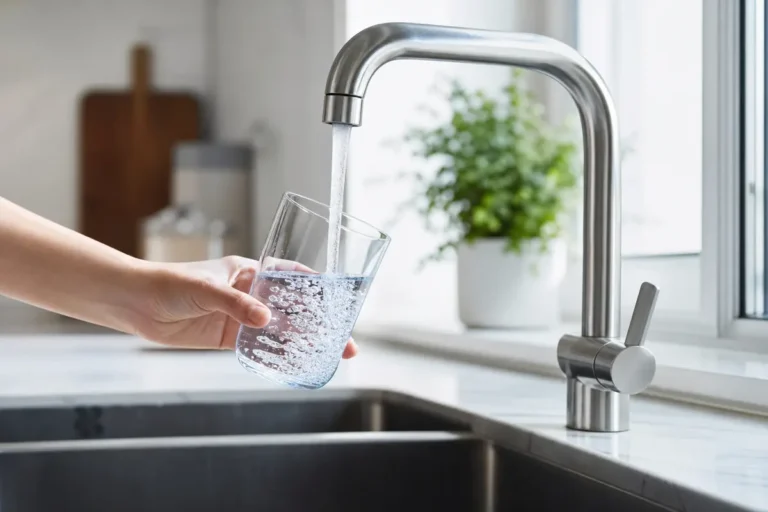
Whole-house treatment is focused on the water moving through the property, but drinking water deserves its own consideration. After all, you may be perfectly comfortable showering in treated water while still wanting an additional level of filtration at the kitchen sink.
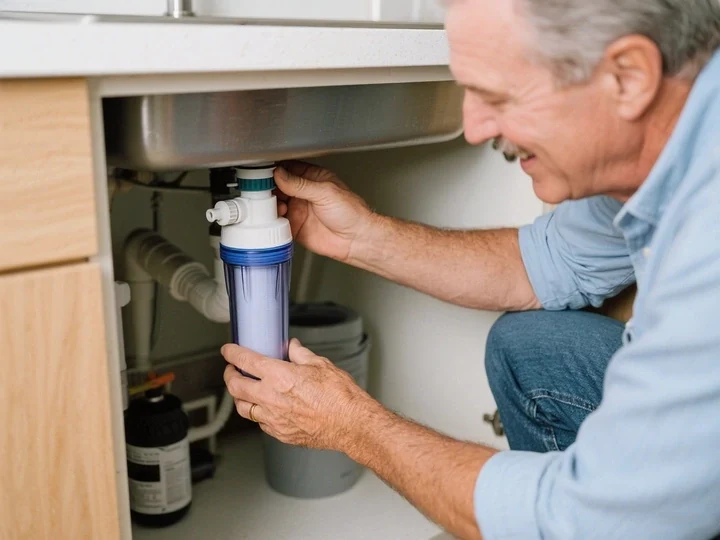
Different drinking water systems can be designed for different purposes. Some are installed under the sink, while others connect to a dedicated faucet or refrigerator line. Reverse osmosis is another option commonly considered when homeowners want to reduce a broader range of dissolved substances.
There isn’t one universal “best” drinking-water system. The right choice depends on the source water, testing results, household consumption, available space, and what you want the system to accomplish. A family that mainly wants better taste may have very different priorities from someone trying to address a specific contaminant.
Don’t Overlook Flow and Water Pressure
A treatment system can work beautifully on paper and still disappoint if it isn’t properly sized for the home. Water demand varies considerably. A small household with modest usage doesn’t necessarily need the same capacity as a large family running multiple showers, washing machines, and appliances throughout the day.
Water pressure is another practical consideration. Some treatment technologies naturally affect flow more than others, particularly when filters become loaded with sediment or other material. If pressure is already marginal, adding equipment without considering the existing plumbing can create frustration.
It’s a little like buying a car without considering where you drive it. The specifications may look impressive, but they don’t tell the whole story.
Installation Quality Makes a Difference
Even good equipment can underperform when it’s installed incorrectly. Connections need to be secure, flow direction needs to be correct, and the system has to fit the home’s plumbing configuration. Drain requirements, electrical access, shutoff valves, and available installation space can all matter depending on the equipment.
Professional installation can also make future troubleshooting easier. When a system has been installed thoughtfully, it’s usually simpler to identify what changed if water pressure drops, a filter clogs unexpectedly, or the treated water no longer seems quite the same.
That initial attention to detail often saves headaches later.
Treatment Equipment Isn’t a “Set It and Forget It” Purchase
One common mistake homeowners make is treating water equipment as something that can simply be installed and forgotten. Filters collect material. Components wear. Settings may need adjustment. Salt-based softeners require appropriate salt levels and periodic attention.
Regular service, maintenance & support helps keep the system performing as intended. Depending on the equipment, maintenance may include filter replacement, sanitation, inspections, checking settings, and testing water quality again when needed.
There’s also a simple financial reason to stay on top of maintenance. A neglected system can become less efficient long before it completely stops working. Catching small issues early is generally easier than dealing with a major failure.
Pay Attention to Changes in Your Water
Your water can provide useful clues. A sudden change in taste or smell, cloudy water, declining pressure, unusual staining, or a return of scale can all justify an inspection. Sometimes the treatment system is responsible. Sometimes the source water has changed. And sometimes the problem is somewhere else in the plumbing.
That’s why replacing a filter immediately isn’t always the right answer. A little diagnosis first can prevent unnecessary spending.
It’s especially important to investigate persistent changes rather than simply getting used to them. Water quality shouldn’t become one of those household problems that everyone notices but nobody deals with.
The Best System Is the One That Fits Your Home
There’s a temptation to compare water-treatment systems by features alone. More stages must be better, a larger tank must be better, and the newest technology must surely be better. In reality, none of those assumptions is automatically true.
A well-designed system should address the actual water-quality concerns, suit the household’s daily demand, fit the available space, and be practical to maintain. It should also make sense financially over the years, not just look attractive on installation day.
For homeowners, the smartest first step is often surprisingly simple: test the water, identify the problems worth solving, and then explore treatment options based on those results.
Better water isn’t necessarily about having the most equipment. It’s about having the right equipment, properly installed and looked after. Once that approach becomes the priority, cleaner fixtures, better-tasting water, fewer mineral headaches, and more dependable household plumbing can become less of a luxury and more of an everyday reality.