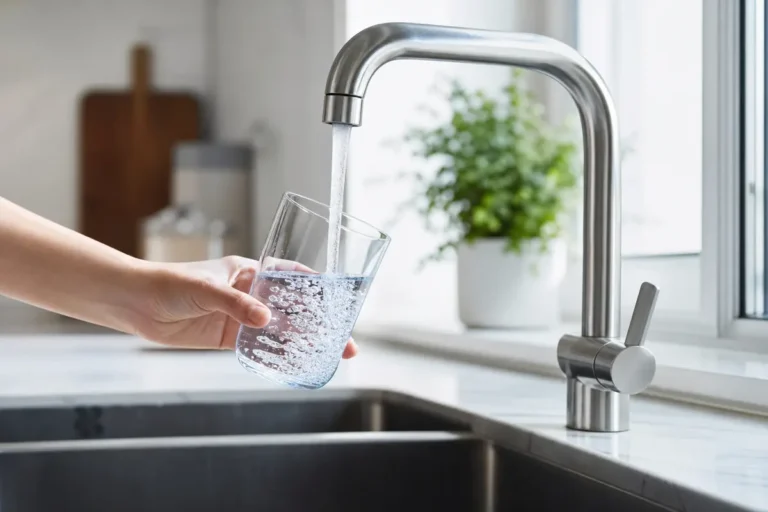
Water is easy to take for granted. We turn on a tap, fill a glass, and get on with the day. But when water leaves spots on dishes, smells unusual, or makes the shower feel less refreshing, it quickly becomes something we notice. These small frustrations often lead homeowners to explore water treatment, though figuring out which system actually makes sense can be a little overwhelming.
The water treatment industry offers plenty of options, from filters and softeners to reverse osmosis units. Each one has a particular purpose. The trick is understanding your water first and choosing equipment based on a real need rather than a persuasive sales pitch.
Start by Understanding Your Water
Water quality varies from one property to another. Municipal water is treated before distribution, but its taste and characteristics can still be affected by disinfectants, plumbing, and storage. Private well water may contain minerals, sediment, iron, or other substances picked up as it moves through the ground.
Hard water is one of the most common household complaints. It can leave white deposits on faucets, create scale inside water heaters, and make soap harder to rinse away. Other homeowners may be more concerned about chlorine taste, unpleasant odors, or particles in the water.
Not every issue means the water is unsafe. Some are primarily aesthetic or related to maintenance. Still, unusual changes should not be ignored, especially if the water becomes cloudy, develops a persistent odor, or changes suddenly.
Why Water Testing Is Worth the Effort
A water test is often the most useful first step. It provides information about what is actually present instead of relying on appearance or assumptions. Depending on the water source and concern, testing may include hardness, pH, iron, sediment, chlorine, and specific contaminants.
For private wells, testing is particularly important because conditions can change over time. Homeowners should follow local recommendations and use a qualified laboratory when testing for health-related contaminants.
Once you have the results, selecting a system becomes more straightforward. You can focus on equipment designed for the problem at hand, rather than paying for features you may never need.
What Whole Home Water Treatment Can Include
The term whole home water treatment refers to systems designed to improve water quality throughout a property rather than at just one faucet. Depending on the home’s needs, this may involve sediment filters, carbon filtration, water softeners, ultraviolet treatment, or other specialized equipment.
A whole-home setup can be useful when water concerns affect several areas of daily life. For example, if chlorine odor is noticeable in both the kitchen and shower, a point-of-entry filter may be more convenient than installing separate filters at individual taps.
However, “whole home” doesn’t automatically mean “removes everything.” Different technologies target different substances. A carbon filter may help with taste and odor, while a softener addresses hardness. A system should be selected based on its actual performance claims and the water test results.
Understanding Water Softening Solutions
For households dealing with mineral buildup, water softening solutions can make everyday chores easier. Water softeners are primarily designed to reduce hardness caused by calcium and magnesium, two minerals commonly responsible for scale.
Traditional ion-exchange softeners work by replacing hardness minerals with sodium or potassium ions. This can help reduce deposits in plumbing and appliances, improve soap performance, and make cleaning fixtures less of a constant battle.
There are different types of softeners, including salt-based and alternative systems marketed as salt-free conditioners. These products don’t necessarily work in the same way. Salt-free conditioners may help manage scale under certain conditions, but they generally do not remove hardness minerals in the same manner as an ion-exchange softener.
Ask what a product is designed to do before assuming it provides softened water. That distinction matters.
When Reverse Osmosis Systems Are Useful
Reverse osmosis systems are often chosen for drinking and cooking water. They use pressure to move water through a semi-permeable membrane, reducing many dissolved substances in the process.
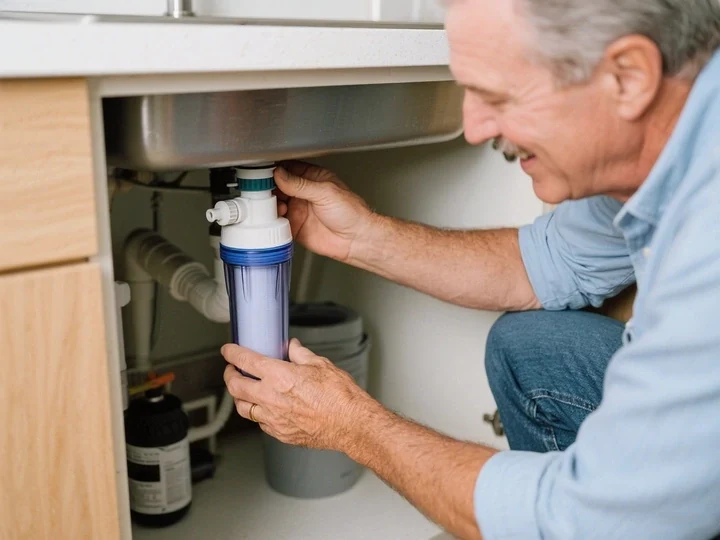
Most residential RO systems are installed under the kitchen sink. They commonly include pre-filters to protect the membrane, followed by the membrane itself and sometimes a final carbon or remineralization stage.
RO can be an effective option for certain water-quality concerns, but it has limitations. It typically produces some wastewater, requires regular filter changes, and may not be necessary for an entire home. If the main problem is hard water affecting showers and appliances, an RO unit alone won’t solve it.
For drinking-water treatment, homeowners should review the system’s performance data and look for appropriate third-party certifications where available. The exact contaminants reduced depend on the model.
Filtration, Softening, and RO: Different Jobs
It’s tempting to look for one machine that handles every water concern, but water treatment is rarely that simple. Filtration, softening, and reverse osmosis serve different purposes.
A sediment filter can capture particles. Carbon filtration may reduce certain chemicals, tastes, and odors. A water softener targets hardness minerals. RO is often used to reduce dissolved substances at a specific drinking-water outlet.
Some homes benefit from a combination of technologies. For instance, a household might use a whole-home filter for chlorine and sediment, a softener for hard water, and an RO system for drinking water. Another home may only need one of these.
The right setup depends on the test results, budget, available space, and the level of treatment the household actually requires.
Consider Water Pressure and Flow Rate
A system can perform well on paper and still be frustrating if it isn’t properly sized. Whole-home equipment needs to accommodate the property’s water demand, especially when several showers, appliances, or faucets may operate at the same time.
Ask about flow rate, pressure loss, and installation requirements. Some systems need a drain connection, electricity, or additional plumbing modifications. These details should be explained before installation, not discovered halfway through the project.
If your home has low water pressure already, mention it to the installer. Adding equipment without considering the existing plumbing can create problems that have little to do with the filter itself.
Maintenance Is Part of the Deal
Every water treatment system needs some level of maintenance. Filters eventually become saturated, softeners need salt or potassium replenishment, and RO membranes require periodic replacement.
Before buying, ask how often components need to be changed, what replacement parts cost, and whether servicing is readily available. A system that is easy to maintain is more likely to keep working as intended.
Keep an eye on changes in water taste, pressure, or odor. These may be signs that a filter needs attention or that the system requires inspection.
Making a Sensible Long-Term Choice
The best water treatment decision isn’t necessarily the most elaborate one. It’s the one that solves a genuine problem, fits the home’s water conditions, and remains manageable over time.
Start with testing. Compare technologies based on what they are designed to reduce. Ask questions about installation, certifications, maintenance, and limitations. And be cautious of claims that sound too broad to be realistic.
Cleaner-tasting water, fewer mineral deposits, and better appliance protection can all be worthwhile improvements. With the right information, homeowners can choose a system that brings practical benefits without turning water treatment into an unnecessary complication.