Water is easy to overlook when it’s working exactly as it should. A sprinkler turns on, a fountain runs smoothly, or a patio tap delivers water without hesitation. But behind those simple moments is a system that needs to be designed, maintained, and occasionally adjusted. When water pressure drops or equipment starts wasting water, the effects can show up in higher bills, damaged landscaping, and unnecessary repair costs.
Modern water management systems offer a practical way to handle these challenges. They bring together equipment and processes that help move, distribute, store, and control water more effectively. For homeowners, property managers, and businesses, the goal is often the same: dependable performance without wasting a valuable resource.
Why Thoughtful Water Management Matters
Water management is about more than simply having access to water. It involves understanding how much water is needed, where it should go, and how efficiently the system can deliver it.
A poorly planned system may water some areas too heavily while leaving others dry. Leaks can remain hidden underground, and outdated equipment may use more energy than necessary. Even small inefficiencies can add up over months and years.
A well-designed system, on the other hand, helps property owners monitor usage, maintain consistent flow, and respond to changing needs. It can also make routine maintenance easier because each component has a clear purpose and can be inspected when necessary.
The Role of Water Treatment and Filtration
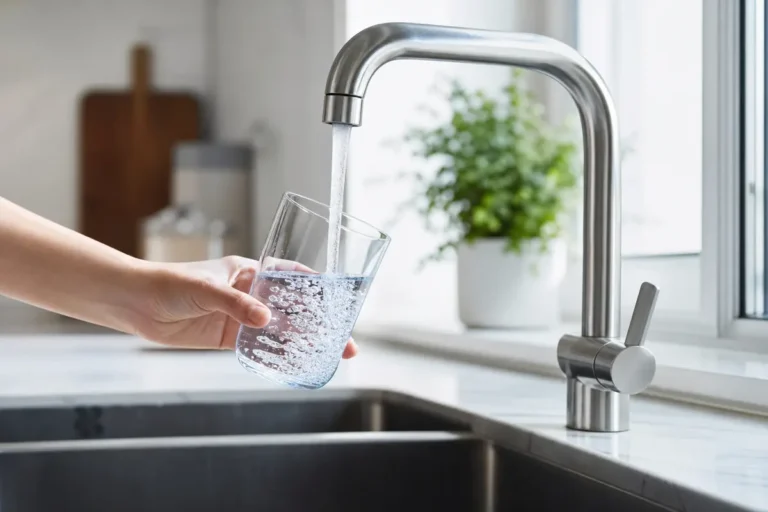
Water quality is another important part of effective water management. Water used for drinking, bathing, irrigation, or decorative features may have different treatment requirements. The right approach depends on the source and the intended use.
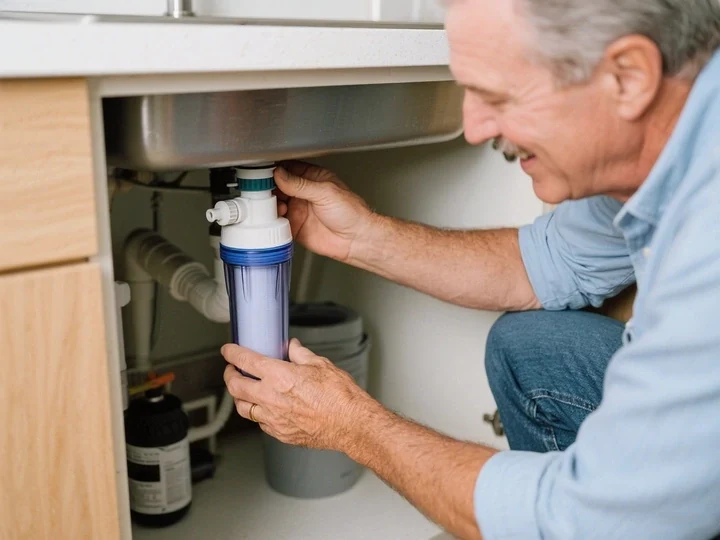
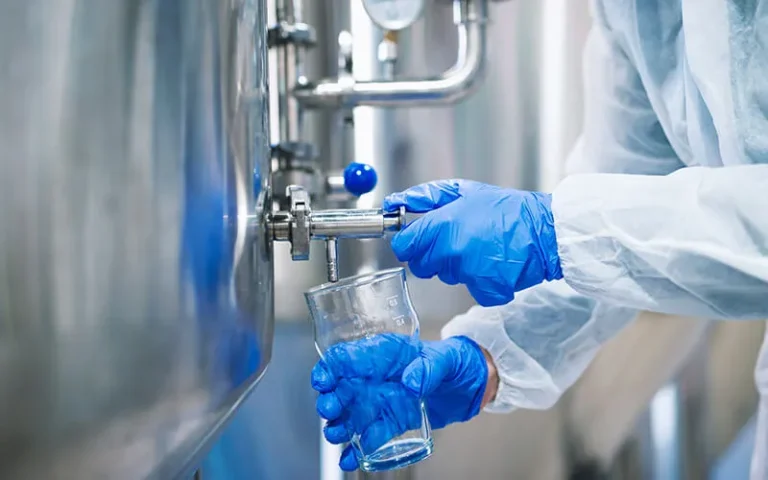
Water treatment & filtration can help address concerns such as sediment, unpleasant tastes, odors, and certain unwanted substances. Filtration systems are designed to remove specific particles or contaminants, while other treatment methods may be needed for hardness, disinfection, or more specialized water-quality issues.
It’s important not to assume that every filter solves every problem. A system designed to reduce sediment may not address dissolved substances, and a water softener serves a different purpose from a drinking-water filter. Testing the water first can help determine which technology is actually appropriate.
Designing Systems for Outdoor Spaces
Outdoor areas often require water for landscaping, gardens, pools, fountains, and cleaning. These uses can place different demands on pumps, pipes, valves, and control equipment.
For instance, a garden irrigation system needs consistent distribution across multiple zones. A pool requires adequate circulation to support filtration and water clarity. A decorative fountain may need a smaller, continuous flow system designed for quiet operation.
When planning outdoor living areas, water systems should be considered alongside the overall design. The location of equipment, access for maintenance, drainage, and water-saving features can all make a difference. A beautiful outdoor space is much easier to enjoy when its water systems are reliable and don’t require constant attention.
Irrigation Efficiency Starts With Good Planning
Irrigation is one of the most common areas where water waste occurs. Overwatering, poorly positioned sprinkler heads, broken lines, and incorrect scheduling can all lead to unnecessary consumption.
A more efficient irrigation system begins with understanding the landscape. Different plants may have different watering needs, and soil type, sunlight, slope, and seasonal weather can influence how much water is required.
Drip irrigation can be useful for garden beds and individual plants because it delivers water close to the roots. Sprinkler systems may be more suitable for lawns or larger open areas. Smart controllers and moisture sensors can also help adjust watering schedules based on actual conditions rather than relying on a fixed routine.
These improvements don’t have to happen all at once. Replacing damaged sprinkler heads or correcting a leaking connection can be a worthwhile first step.
Pumps and Pressure Need to Match the Application
Pumps are responsible for moving water through many residential and commercial systems. Selecting the right one requires attention to flow rate, pressure, pipe length, elevation, and the number of outlets operating at the same time.
A pump that is too small may fail to provide sufficient pressure. One that is oversized may consume excess energy or place unnecessary stress on the plumbing. Neither situation is ideal.
Variable-speed pumps can offer flexibility by allowing the operating speed to change according to demand. This may be helpful in applications where water needs vary throughout the day. Still, the equipment should be selected based on actual system requirements rather than technology alone.
Professional sizing is particularly useful for larger properties or systems with several connected components.
Maintenance Protects Long-Term Performance
Even a well-designed water system needs regular attention. Filters become dirty, seals wear out, valves can stick, and pipes may develop leaks. Routine checks help catch these issues before they become expensive problems.
Maintenance tasks may include inspecting connections, cleaning filters, checking pump performance, testing pressure, and reviewing control settings. Irrigation systems should also be checked seasonally to identify broken sprinkler heads, clogged emitters, or damaged lines.
Water treatment equipment may have specific maintenance schedules, including filter replacement or sanitization. Following the manufacturer’s recommendations helps ensure the system continues to operate as intended.
Ignoring maintenance can also reduce efficiency. A clogged filter or leaking pipe may force equipment to work harder, increasing both water and energy consumption.
Making Water Systems More Sustainable
Sustainability doesn’t always require a major investment. Often, it starts with better habits and small improvements in system design.
Rainwater collection, efficient fixtures, smart irrigation controls, leak detection, and properly maintained equipment can all contribute to more responsible water use. Reusing suitable non-potable water for certain applications may also be possible, depending on local regulations and safety requirements.
The most useful improvements are those that fit the property’s actual needs. Installing equipment that is never used or selecting a complex system without understanding its maintenance requirements may create more complications than benefits.
When Professional Guidance Makes Sense
Water systems can become complicated, particularly when a property includes multiple water uses or specialized treatment needs. A qualified professional can assess the existing setup, identify inefficiencies, and recommend suitable upgrades.
Before hiring a provider, ask about experience, equipment specifications, maintenance plans, warranties, and expected operating costs. A clear explanation of what a system can and cannot do is more valuable than a long list of impressive claims.
Professional guidance can also help prevent compatibility problems between pumps, filters, controllers, and plumbing.
A More Reliable Approach to Water Use
Good water management is ultimately about making water work efficiently without overlooking quality, maintenance, or convenience. Whether the goal is healthier landscaping, a cleaner water supply, or a more enjoyable outdoor space, the right system begins with understanding the problem.
By combining suitable equipment, thoughtful planning, regular maintenance, and sensible water-use practices, property owners can create systems that are more dependable and easier to manage.
Water may flow quietly in the background, but it supports much of everyday life. Taking care of the systems behind it is a practical investment—one that can improve comfort, reduce waste, and make a property work better for years to come.