Water plays a part in nearly every corner of daily life. We drink it, cook with it, bathe in it, wash clothes, and rely on it to keep appliances and plumbing working properly. Yet, when water quality changes, the signs aren’t always obvious. Sometimes there’s a metallic taste. Sometimes soap doesn’t rinse cleanly. Other times, the water looks perfectly normal but still contains substances you’d rather reduce.
Choosing a water treatment system isn’t simply about buying the most advanced equipment available. It’s about understanding what’s in your water and finding a practical way to address it. The right solution can improve everyday comfort, protect household equipment, and make water use more convenient without creating unnecessary expense.
Start by Understanding Your Water Quality
Before selecting any treatment equipment, it’s worth finding out what you’re dealing with. Water quality can vary considerably depending on whether your property uses municipal water, a private well, or another source. Even homes in the same neighborhood may experience different issues because of plumbing conditions, storage tanks, or local mineral content.
Common concerns include hardness, chlorine, sediment, iron, sulfur odors, and certain microorganisms or chemical contaminants. Some problems are easy to notice, while others require laboratory testing.
A professional water test can help identify which contaminants are present and, just as importantly, how much of each is in the water. This information prevents a common mistake: purchasing a system based on a general concern rather than an actual water-quality problem.
How Water Softeners Help With Hard Water
Hard water is one of the most common complaints among homeowners. It contains dissolved minerals, mainly calcium and magnesium, which can leave scale on faucets, shower doors, kettles, and water heaters. You may also notice that soap lathers poorly or that freshly washed clothes feel less soft than expected.
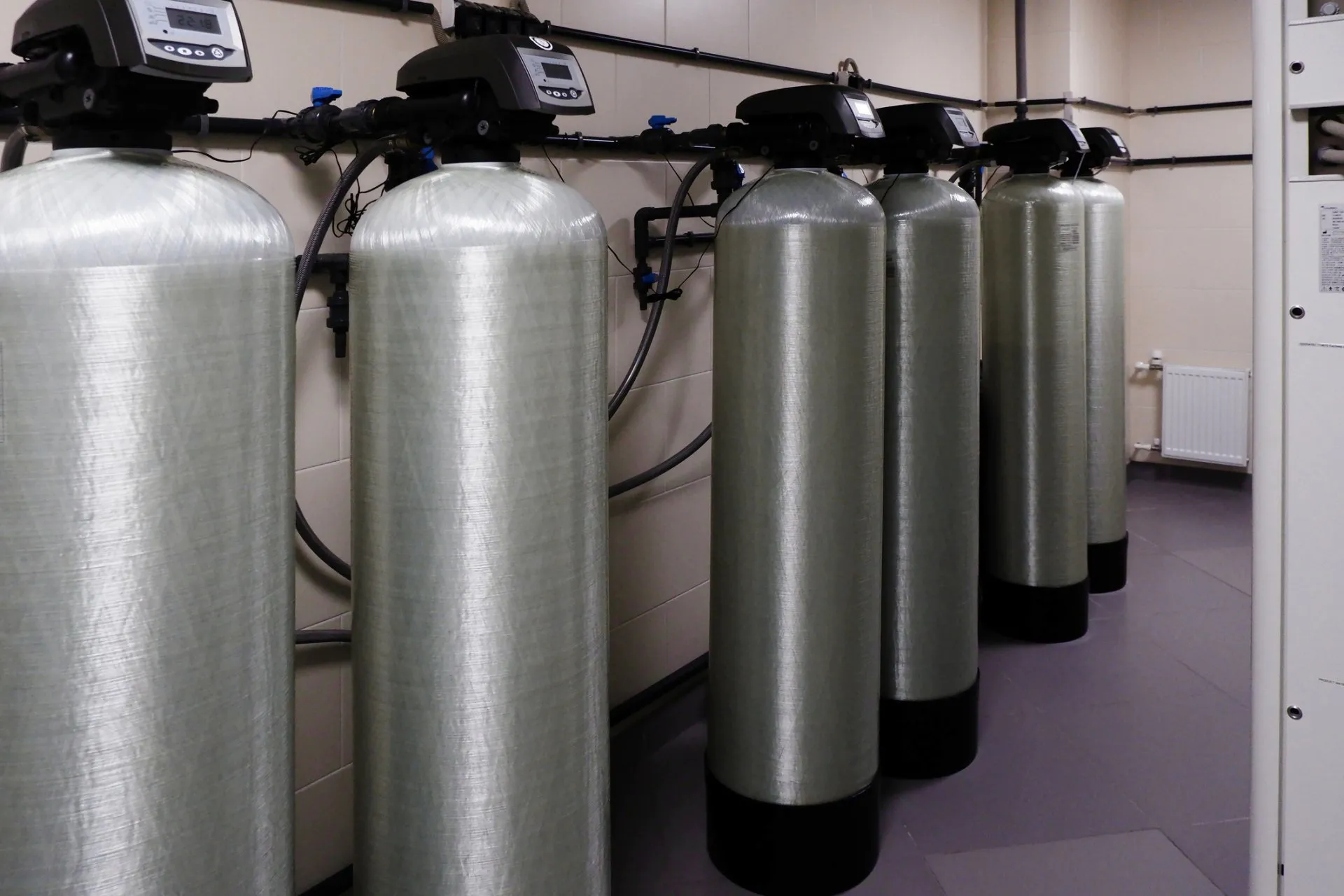
Water softeners are designed to reduce hardness by exchanging calcium and magnesium ions for other ions, commonly sodium or potassium, through a process called ion exchange. The result is water that is less likely to form mineral scale throughout the plumbing system.
For households dealing with persistent hard-water problems, a softener can make a noticeable difference. It may help reduce buildup on fixtures, improve soap performance, and support the efficiency of water-using appliances.
However, softeners aren’t designed to remove every contaminant. They also add sodium or potassium to the treated water, depending on the system and regeneration method. If drinking-water quality is a concern, a separate filtration or purification solution may be worth considering.
Reverse Osmosis for Drinking Water Concerns
When homeowners want additional treatment for drinking and cooking water, reverse osmosis is often part of the conversation. Reverse osmosis systems use pressure to push water through a semipermeable membrane, reducing many dissolved substances and other impurities.
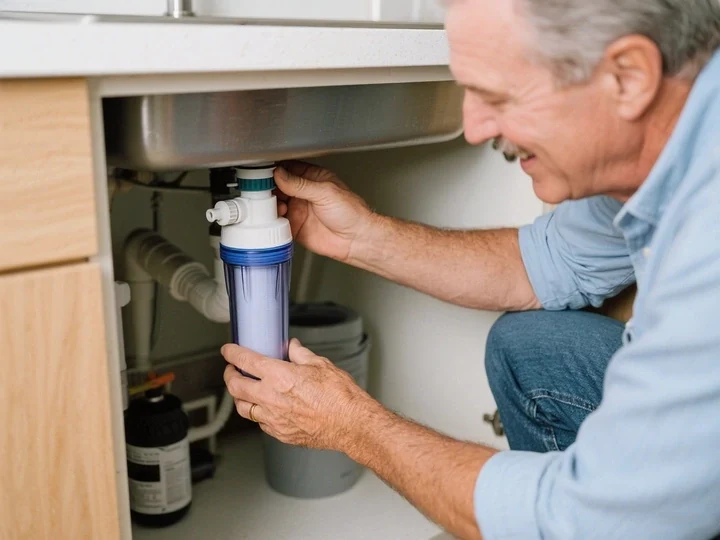
These systems are commonly installed under a kitchen sink or integrated into a dedicated drinking-water setup. Depending on the design and certification, reverse osmosis may help reduce substances such as certain dissolved salts, some metals, and other contaminants.
One important point is that reverse osmosis isn’t automatically the right answer for every household. The system’s effectiveness depends on the membrane, pre-filters, water pressure, and the specific contaminants being targeted. It can also produce wastewater during operation and may remove minerals that some people prefer to retain.
A quality system should be selected based on tested water results and the manufacturer’s stated performance claims. Look for independent certifications where available, and remember that filter replacement is essential for maintaining performance.
Where Hydrogen Peroxide Treatment Fits In
Some water problems are particularly difficult to ignore, especially when they involve unpleasant odors or specific contaminants. Hydrogen peroxide treatment is one approach used in certain water-treatment applications, particularly for addressing issues associated with iron, sulfur, and hydrogen sulfide odors.
Hydrogen peroxide treatment works by introducing hydrogen peroxide into the water, where it can react with certain unwanted substances and support oxidation. Depending on the system design, the oxidized material may then be removed through filtration.
This type of treatment can be useful in selected well-water applications, especially when a property experiences rotten-egg odors or staining linked to iron and sulfur. But it isn’t a universal purifier. The appropriate dosage, contact time, filtration stage, and equipment configuration depend on the water chemistry.
Because hydrogen peroxide is a reactive chemical, installation and maintenance should be handled carefully. A water professional can determine whether it is suitable and help ensure the system is correctly sized and operated.
Comparing Treatment Options Without Overcomplicating Things
It can be tempting to think of water treatment as a choice between one product and another. In reality, different systems solve different problems.
| Water Concern | Common Treatment Approach |
| Hardness and mineral scale | Water softener |
| Chlorine taste and odor | Activated carbon filter |
| Sediment, sand, and rust particles | Sediment filtration |
| Certain dissolved contaminants | Reverse osmosis |
| Iron and sulfur-related issues | Oxidation and filtration systems |
| Certain microbial concerns | UV or other validated disinfection methods |
This doesn’t mean every home needs several pieces of equipment. In many cases, a simple system is enough. The goal is to avoid both under-treatment and over-treatment.
A provider who recommends multiple systems should be able to explain what each component does, why it’s needed, and what problem it addresses. If the explanation is vague, it’s reasonable to ask more questions before making a purchase.
Installation and Maintenance Matter
Even a well-designed water treatment system can perform poorly if it is installed incorrectly or neglected afterward. Water pressure, flow rate, drain connections, electrical requirements, and available space all affect how a system works.
Maintenance usually involves replacing filters, checking valves, cleaning components, replenishing treatment materials, or servicing pumps and control systems. The schedule depends on the technology and the quality of the incoming water.
For example, a reverse osmosis membrane may last longer when its pre-filters are changed on time. A softener may require regular salt replenishment and periodic inspection. Oxidation systems may need attention to chemical feed settings and filtration media.
Keeping a simple maintenance record can prevent small issues from becoming expensive repairs.
Questions to Ask Before Buying
Before committing to a treatment system, ask a few practical questions:
- Has my water been tested recently?
- Which contaminants is this system designed to reduce?
- Is the performance independently certified?
- What are the installation and ongoing maintenance costs?
- How often do filters or other components need replacement?
- Does the system require electricity, chemicals, or a drain connection?
- What happens if the system stops working?
- Is there a warranty, and who provides service?
Clear answers are a good sign. A reliable provider should explain the limitations of a system, not just its selling points.
Final Thoughts
Better water quality starts with understanding the problem, not chasing the newest technology. Water softeners, reverse osmosis systems, and hydrogen peroxide treatment each have useful roles, but none should be selected blindly.
Take the time to test your water, identify your priorities, and compare solutions based on actual performance. With the right equipment and a little ongoing care, water treatment can become a quiet improvement in your home—one you notice most when you realize how much easier everyday life has become.