Common Bathroom Plumbing Problems and Their Fixes
The shower drain that used to empty fast now leaves you standing in ankle-deep water by minute two. Sound familiar? Bathroom plumbing problems have a way of creeping up slowly, so slowly you barely notice until one day it’s a full-blown issue. The thing is, most of these problems aren’t actually complicated to fix. You just need to know what you’re looking at. Heading into 2026, with plumber call-out charges climbing in most Indian cities — often ₹300-500 just for a basic visit — knowing which fixes you can handle yourself saves real money on the small stuff.
I’ve fixed more of my own bathroom issues over the years than I expected to, mostly out of stubbornness the first time and genuine confidence after that. Not everything needs a professional, though some things absolutely do — I’ll be clear about which is which.
Slow or Clogged Drains
Quick answer: Slow bathroom drains are usually caused by hair, soap scum, or mineral buildup blocking the pipe. A simple mix of baking soda and hot water, or a drain snake for hair clogs, resolves most cases without needing chemical drain cleaners or a plumber visit.
Hair is the biggest culprit here, especially in shower drains. It tangles with soap residue and slowly narrows the pipe until water just can’t move through fast enough.
Try this before reaching for harsh chemical cleaners:
- Pour a cup of baking soda down the drain, followed by a cup of hot vinegar, let it sit 15 minutes, then flush with hot water
- Use a plastic drain snake (available for around ₹150-300) to physically pull out hair clogs
- For stubborn clogs, remove the drain cover entirely and clean it manually — often the actual blockage is right there
Avoid chemical drain cleaners as a first resort. They’re harsh on older pipes and honestly don’t work as well as people expect on hair-based clogs anyway.
Running or Leaking Cistern
That faint hissing sound from the toilet tank, or water that keeps trickling into the bowl long after flushing, usually points to a worn flapper valve or a float that’s set too high. This wastes a surprising amount of water over time, and I’ve noticed people live with it for months before finally fixing what’s usually a five-minute job.
Open the cistern lid and check the flapper — the rubber seal at the bottom. If it’s cracked or not sealing properly, replacing it costs maybe ₹100-200 and takes ten minutes with no special tools needed.
Low Water Pressure in the Shower
Quick answer: Low shower pressure is commonly caused by a clogged showerhead, especially in hard water areas where mineral deposits build up over time. Soaking the showerhead in a vinegar solution for a few hours usually restores normal flow without needing any plumbing work.
Unscrew the showerhead, or if it’s fixed, just detach the nozzle plate, and soak it in white vinegar for a few hours, longer if your water’s particularly hard. Use an old toothbrush to scrub out any remaining mineral deposits from the tiny holes.
If pressure’s still weak after that, the issue might be further upstream — a partially closed valve, or a broader building-wide pressure issue worth checking with your society’s maintenance team before assuming it’s your fixture.
Leaking Taps and Faucets
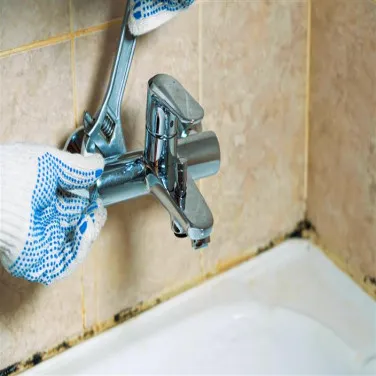
A dripping tap seems minor until you actually calculate the water waste over a month — it adds up faster than most people realize. Usually it’s a worn washer inside the tap that needs replacing, a fairly straightforward fix.
- Turn off the water supply to that tap first, always
- Remove the tap handle, usually by unscrewing a small cap or screw
- Replace the rubber washer inside, available cheaply at any hardware store
- Reassemble and test — if it still drips, the valve seat itself might need attention, which is where a plumber becomes worth calling
Bad Odor from Drains
Has this ever happened to you — a faint sewer-like smell in the bathroom that won’t quite go away no matter how much you clean? This usually means the P-trap under the sink or floor drain has dried out, which happens in bathrooms that aren’t used daily, letting sewer gas rise back up through the pipe.
Simply running water down the drain for a minute refills the trap and usually fixes it immediately. If the smell persists after that, it might point to a more serious venting issue that does need a professional look.
[link to related guide about bathroom ventilation and odor control here]
Water Seepage into Adjoining Rooms
This is one bathroom plumbing problem I’d genuinely never recommend handling yourself. Seepage into an adjoining bedroom or hallway usually means the waterproofing membrane under the tiles has failed somewhere, and finding the exact source requires proper diagnostic tools, not guesswork.
Get a professional plumber or waterproofing specialist involved quickly here — delaying this one specifically tends to make the eventual repair significantly more expensive and disruptive.
[link to related guide about waterproofing costs for bathrooms here]
When to Actually Call a Plumber
Not every bathroom plumbing problem is a DIY job, and I’d rather be upfront about that than pretend otherwise. Structural leaks, seepage, sewage backups, or anything involving the main water line genuinely need a professional. The stuff covered above — clogs, running cisterns, low pressure, dripping taps — is generally safe territory for a confident first-timer with basic tools.
Suggested alt text: “Plumber’s snake tool being used to clear a clogged bathroom drain” Suggested alt text: “Cistern flapper valve being replaced inside a toilet tank” Suggested alt text: “Showerhead soaking in vinegar solution to remove mineral buildup”
FAQs
Can I fix a running toilet cistern myself? Yes, in most cases. A worn flapper valve is the usual cause, and replacing it costs very little and takes about ten minutes with no specialized tools.
Why does my bathroom drain smell bad even when it’s clean? This typically means the P-trap has dried out from infrequent use, letting sewer gas rise up. Running water down the drain for a minute usually resolves it.
Is low water pressure always a plumbing problem in my own fixtures? Not always. It’s often a clogged showerhead, but persistent low pressure across multiple fixtures can point to a building-wide issue worth checking with maintenance first.
Should I use chemical drain cleaners for bathroom clogs? Better to avoid them as a first option. They’re harsh on pipes, especially older ones, and a baking soda and vinegar flush usually handles hair clogs just as well.
How do I know if a bathroom plumbing problem needs a professional? Anything involving structural leaks, seepage into other rooms, or main water line issues needs a professional. Clogs, drips, and running cisterns are generally manageable yourself.
How much does a basic plumber visit typically cost in India? Usually ₹300-500 just for the visit, before any parts or labor for the actual repair, which is exactly why handling the smaller fixes yourself makes financial sense.
Conclusion
Most common bathroom plumbing problems aren’t nearly as intimidating as they first seem — a clogged drain, a running cistern, weak shower pressure, these are usually quick fixes with basic tools and a bit of patience. Know where the line is, though. Seepage and structural leaks are worth calling in a professional for, every time. Next time something in your bathroom starts acting up, take five minutes to actually diagnose it before assuming you need to call someone. Chances are, you can handle it yourself.