How to Prevent Burst Pipes When Temperatures Drop
A cracked pipe on a January morning is not how anyone wants to start their day — water pooling where it shouldn’t, a scramble to find the main valve, and a repair bill you weren’t planning for. If you live somewhere that actually gets cold enough for this, knowing how to prevent burst pipes matters a lot more than most homeowners realize until it’s already happened once. Now, I’ll be upfront — this is much more relevant if you’re in a hill station, parts of the higher-altitude regions, or anywhere that regularly sees near-freezing nights, than if you’re in most of the Indian plains. But even in cities that get an unusually sharp cold snap now and then, the risk isn’t zero. Heading into the winter of 2026, a bit of prep now saves a genuinely messy problem later.
I’ve only dealt with this once myself, at a relative’s place in the hills, but the aftermath was enough to make me take pipe prep seriously ever since. Water everywhere, a soaked wooden floor, and a repair that took three days because the plumber had to trace where exactly the crack was.
Why Pipes Actually Burst in Cold Weather
Quick answer: Pipes burst not from the cold itself, but from water freezing inside them and expanding, building pressure that the pipe material eventually can’t withstand. This mostly affects exposed pipes — on terraces, outer walls, or unheated spaces — rather than pipes running through insulated interior walls.
Water is one of the few substances that expands as it freezes, and that expansion is the actual problem. A pipe that’s mostly full of water with no room for that expansion is under real pressure the moment ice starts forming, and it doesn’t take much of a crack to start a serious leak.
This is why exposed sections — terrace tanks, outdoor taps, pipes running along an outer wall — are far more vulnerable than anything tucked inside insulated interior walls.
Insulate Exposed Pipes Before Winter Sets In
Quick answer: Wrapping exposed pipes with foam pipe insulation sleeves, available cheaply at most hardware stores, is the single most effective way to prevent burst pipes in cold climates. This is especially important for pipes on terraces, outer walls, or anywhere directly exposed to overnight temperature drops.
Foam insulation sleeves cost roughly ₹50-100 per meter and are genuinely simple to install — most just slide over the pipe and seal with tape at the joints. Don’t skip the joints and bends either; those are actually the weakest points and where cracks most commonly start.
For particularly exposed sections, some people add a second layer or use heat tape underneath the insulation for extra protection, though that’s usually overkill outside genuinely harsh cold regions.
Keep a Slow Drip Running on the Coldest Nights
This sounds counterintuitive — wasting water to prevent a bigger problem — but moving water is far less likely to freeze than stagnant water sitting still in a pipe. On nights forecast to hit near-freezing temperatures, leaving a tap connected to an exposed pipe running at a slow trickle relieves pressure and keeps the water moving.
It’s a minor waste of water for one or two nights a season, weighed against a potential repair that costs significantly more, both in money and hassle.
Drain Outdoor Taps and Terrace Tanks
Has this ever crossed your mind — that the outdoor tap you rarely use in winter is sitting there, full of standing water, just waiting for the coldest night to crack? Drain any outdoor taps or terrace-level pipes you’re not using regularly through the cold months, shutting off the connecting valve if there is one.
Terrace water tanks, if elevated and exposed, benefit from insulating wraps too, particularly the connecting pipes rather than the tank itself, which usually holds enough volume to resist freezing quickly.
[link to related guide about terrace waterproofing before winter here]
Seal Gaps Around Pipe Entry Points
Cold drafts sneaking in through gaps where pipes enter the house — near the kitchen sink, under bathroom fixtures, around the water heater connection — can drop the ambient temperature around that section of pipe significantly. Simple expanding foam sealant or basic caulking closes these gaps for a few hundred rupees and an hour’s work.
- Check under-sink areas where supply pipes enter through the wall
- Look near the geyser connection point, often a poorly sealed gap
- Inspect any pipe passing through an external wall into an unheated utility area
Know Where Your Main Shut-Off Valve Is
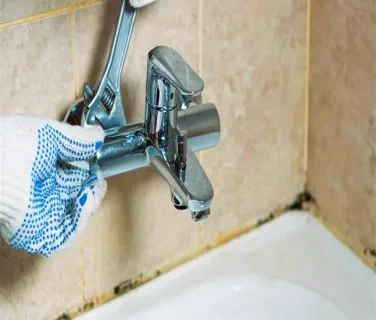
This one’s less about prevention and more about damage control, but it matters just as much. If a pipe does crack despite your prep, knowing exactly where the main shut-off valve is, and being able to reach it fast, is the difference between a small mess and a genuinely damaging flood.
Test the valve once a year to make sure it actually turns smoothly. A stiff, rusted valve you can’t budge in an emergency defeats the entire point of having one.
[link to related guide about emergency home plumbing checklist here]
If a Pipe Does Burst — What to Do First
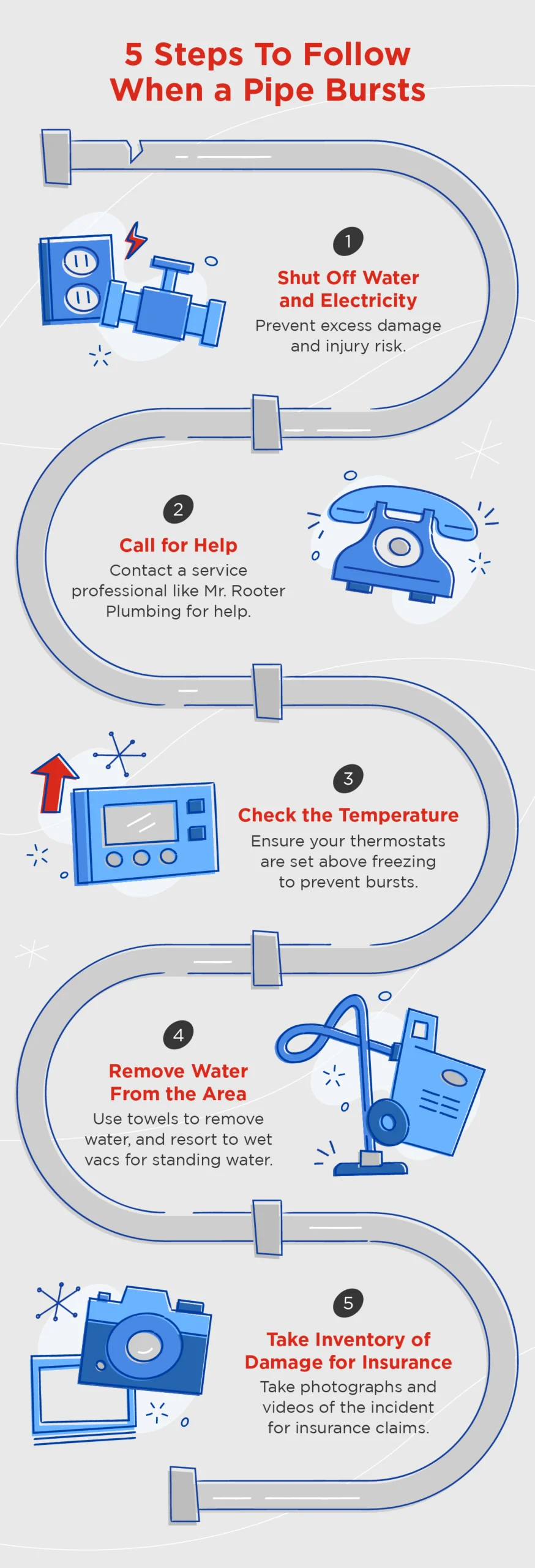
Shut off the main water valve immediately, before anything else. Then open the nearest tap to drain remaining pressure from the pipes, which reduces further water escaping from the crack while you wait for repairs. Don’t attempt to patch a burst pipe yourself with tape as anything more than a very temporary stopgap — it rarely holds under real pressure.
Suggested alt text: “Foam insulation sleeve being wrapped around an exposed outdoor pipe” Suggested alt text: “Main water shut-off valve being tested before winter” Suggested alt text: “Frost forming on an exposed outdoor water pipe”
FAQs
Do I really need to worry about burst pipes in most Indian cities? Not much, honestly, outside hill stations or areas with regular near-freezing winter nights. Most plains cities don’t get cold enough, though an unusual cold snap can still pose some risk to exposed pipes.
How much does pipe insulation typically cost? Foam insulation sleeves run around ₹50-100 per meter, making it one of the cheaper preventive measures compared to the cost of repairing a burst pipe.
Is leaving a tap dripping overnight actually effective to prevent burst pipes? Yes, moving water resists freezing better than still water sitting in a pipe. It’s a small, low-cost precaution worth doing on genuinely cold nights in vulnerable areas.
What’s the first sign a pipe might be at risk of freezing? Noticeably reduced or stopped water flow from a specific tap on a cold morning is often an early sign, before an actual crack or burst occurs.
Can I insulate pipes myself, or do I need a plumber? Most homeowners can do it themselves. Foam sleeves are designed for easy DIY installation, and a plumber is really only needed for more complex or hard-to-reach pipe runs.
How do I know if my main shut-off valve actually works? Test it once a year by turning it fully closed and reopening it. If it’s stiff, rusted, or hard to move, get it serviced or replaced before you actually need it in an emergency.
Conclusion
For most of India, burst pipes aren’t a daily worry, but if you’re anywhere that sees genuine cold snaps, a bit of prep now genuinely prevents a messy, expensive problem later. Insulate exposed pipes, know your shut-off valve, and don’t ignore that outdoor tap sitting unused through winter. If you’re in a hill station or a colder region, take twenty minutes this week to check your exposed pipes before the next cold night hits — it’s a lot easier than dealing with a crack at 6am.