Most of us have a fairly predictable morning routine. We turn on the tap, make a cup of coffee, take a shower, and get on with the day. Rarely do we stop to think about the quality of the water we’re using. It’s just there, doing its job. But when the water starts tasting odd, leaves stains around the sink, or makes freshly washed clothes feel stiff, it suddenly becomes difficult to ignore.
Good water quality plays a bigger role in everyday comfort than many people realise. Fortunately, understanding and improving your water supply doesn’t have to be particularly complicated.
What Is Really Coming Out of Your Tap?
Clear water isn’t necessarily clean water. Depending on its source, water can contain dissolved minerals, sediment, chemicals, and microorganisms that aren’t visible to the naked eye.
Hard water is particularly common in areas where groundwater passes through mineral-rich rocks. Although hardness isn’t generally considered a health hazard, it can cause quite a few household frustrations. Think cloudy glassware, chalky bathroom fixtures, and kettles that seem to need constant cleaning.
Rather than guessing what’s causing these problems, homeowners can order a free water test from a provider offering this service to gain a better understanding of their water quality. Just remember that basic tests may not cover every potential contaminant, so additional laboratory testing might be necessary.
Knowing what’s in your water makes the next step considerably easier.
The Hidden Cost of Poor Water Quality
Water quality problems often develop quietly. You might not notice anything particularly concerning for months, perhaps even years. Meanwhile, mineral deposits can gradually accumulate inside pipes, heating elements, and household appliances.
Water heaters affected by excessive scale may operate less efficiently. Dishwashers can develop stubborn deposits, and washing machines may require additional maintenance.
Then there are the smaller expenses that tend to go unnoticed. Extra laundry detergent, cleaning products, bottled water, and frequent appliance servicing all cost money.
Individually, these expenses might not seem significant. Add them together over several years, though, and the picture looks rather different.
Addressing water quality concerns early could help homeowners avoid some of these unnecessary costs.
Finding the Right Water Treatment Solution
Walk into a store selling water filtration equipment, and you’ll probably encounter dozens of products promising impressive results. The trouble is, not every system addresses the same problem.
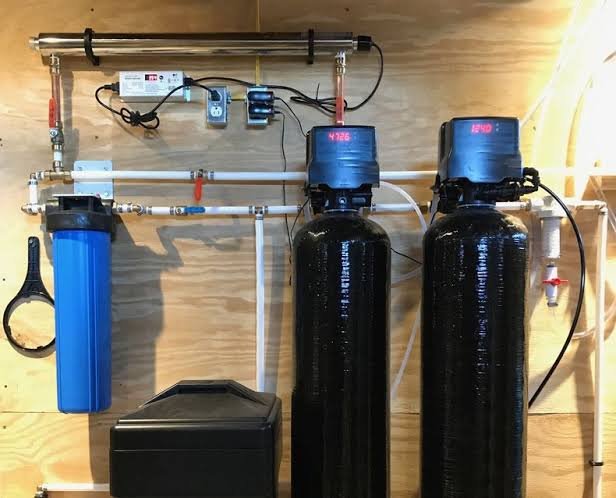
Water softeners reduce hardness, while activated carbon filters can help tackle unpleasant tastes and odors. Reverse osmosis systems are designed to reduce various dissolved contaminants. Sediment filters, meanwhile, capture suspended particles such as dirt and sand.
Exploring different water treatment and filtration options becomes much easier when you understand your property’s specific water conditions and daily consumption habits.
A family relying on private well water may have entirely different requirements from someone living in an apartment connected to a municipal supply.
Sometimes, a straightforward filtration system is enough. There’s little sense in paying for technology you don’t actually need.
Why Professional Installation Makes a Difference
Buying quality equipment is important, but how it’s installed matters just as much. An improperly fitted treatment system may experience pressure problems, leaks, or reduced performance.
Professional water treatment system installation and support can help property owners avoid common installation mistakes while ensuring their equipment operates as intended.
Ongoing technical assistance is valuable, too. Filters eventually need replacing, system settings may require adjustments, and certain components need periodic servicing.
Nobody particularly enjoys spending their Saturday afternoon troubleshooting unfamiliar plumbing equipment. Having access to knowledgeable support can save a fair amount of time and frustration.
Small Improvements That Make Daily Life Easier
The benefits of appropriately treated water often appear in surprisingly ordinary moments.
Coffee may taste better when unwanted chlorine flavors are reduced. Glasses can come out of the dishwasher looking clearer when hardness is addressed. Bathroom surfaces may become easier to clean, and laundry might feel softer.
These aren’t necessarily dramatic changes, but they’re the sort of improvements you appreciate when managing a busy household.
Businesses can experience similar advantages. Cafés, restaurants, hotels, and commercial laundries all rely on dependable water quality. Consistent treatment can help protect equipment and maintain service standards without unnecessary interruptions.
Don’t Forget About Regular Maintenance
Installing a filtration system and forgetting about it is a surprisingly common mistake. Like most household equipment, water treatment systems need occasional attention.
Filters have limited capacities, membranes can lose efficiency, and water softeners require appropriate maintenance. Ignoring these requirements may gradually reduce treatment performance.
It’s sensible to follow the manufacturer’s servicing recommendations and arrange periodic water testing where appropriate.
Pay attention to changes in water pressure, taste, appearance, or smell, particularly if your property depends on a private water source.
A little preventive maintenance is generally easier than dealing with an unexpected equipment failure. Besides, there’s no point investing in a good system if you’re not going to look after it.
Making Better Water a Long-Term Priority
Water quality deserves the same attention we give to comfortable heating, reliable electricity, and household safety. It’s something we depend on constantly, even when we barely notice it.
Improving your water supply doesn’t necessarily mean investing in expensive equipment or making complicated changes. Sometimes, it begins with a simple conversation, a water quality assessment, and a clearer understanding of your needs.
The important thing is making informed decisions rather than relying on assumptions.
Ultimately, better water is about more than what fills your drinking glass. It’s about protecting your property, simplifying everyday routines, reducing avoidable expenses, and feeling more confident about the water you use from morning until night.