A good water treatment system shouldn’t make life more complicated. Ideally, it works quietly in the background, helping your household get the water it needs without constant adjustments, confusing controls, or unexpected maintenance bills. Yet choosing the right equipment can take a little thought. There are different technologies, operating methods, and filtration options, and the system that works beautifully for one home may not be the best fit for another.
The trick is to look beyond the product description and think about how water is actually used in your home. How many people live there? Does the water leave white marks on faucets? Is the supply from a municipal utility or a private well? Are you mainly concerned about drinking water, or do you want to address problems throughout the plumbing system? Answering these questions makes the selection process much easier.
Start by Understanding Your Water
Before comparing equipment, find out what is in your water. Hardness, sediment, dissolved minerals, and certain contaminants can affect water in different ways. Some issues are obvious, such as reddish staining around a sink. Others are harder to recognize without testing.
Municipal water suppliers generally publish annual water quality reports, which provide useful information about the public supply. However, water quality can change between the treatment plant and your tap. Plumbing materials, household pipes, and building-specific conditions may influence what comes out of the faucet.
Private well owners have additional responsibilities because groundwater isn’t treated and monitored in exactly the same way as public drinking water. Regular testing through a qualified laboratory can help identify concerns that aren’t visible or detectable by taste alone.
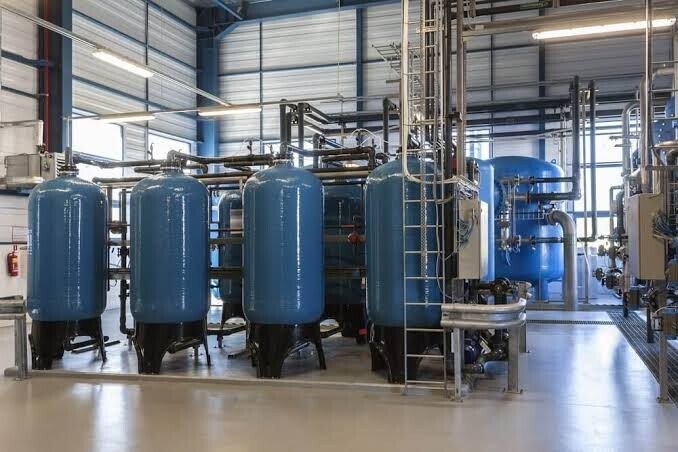
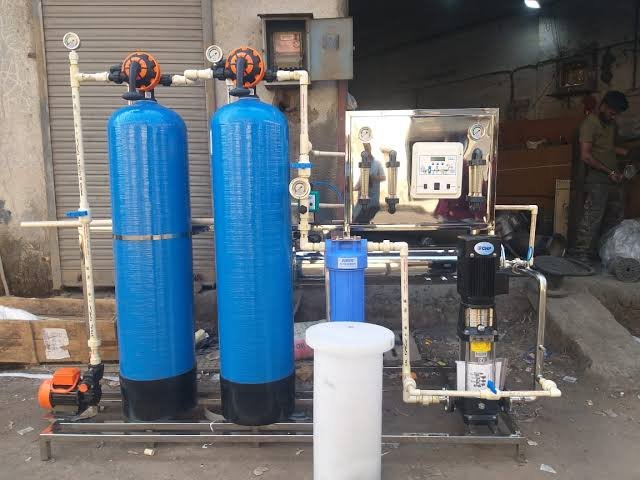
Once you understand the problem, you can choose an appropriate treatment method. A sediment filter may help with suspended particles, a water softener can address hardness, and a drinking water filtration unit may target specific substances. Treating the right problem is more effective than buying equipment simply because it has an impressive list of features.
Why Operating Method Matters
Water treatment systems differ not only in what they remove but also in how they operate. Some require electricity for digital controls, monitoring, or automatic valves. Others use mechanical controls or water pressure to perform particular functions.
For homeowners interested in simpler equipment, non-electric operation can be an appealing feature. Systems designed this way may reduce dependence on powered control components and can be useful in locations where electrical access is inconvenient or unreliable.
However, the phrase doesn’t mean that every part of the treatment process is entirely maintenance-free. A non-electric system still needs the correct water pressure, suitable plumbing, and regular inspection. Some designs may also have limitations in automation or monitoring compared with electrically controlled models.
Consider what happens during a power outage, but don’t make that the only deciding factor. A household with frequent interruptions might appreciate equipment that continues functioning without electricity. Another homeowner may prefer digital monitoring because it makes maintenance easier to track. Neither approach is automatically better; it depends on your priorities and the system’s intended purpose.
Ask the supplier to explain exactly which functions operate without electricity. That simple question can prevent misunderstandings later.
How Demand Regeneration Can Improve Efficiency
Water softeners are often used to reduce calcium and magnesium, the minerals responsible for hard water. As water passes through the softener’s resin, these minerals are captured. Eventually, the resin needs regeneration so it can continue treating water effectively.
Older or basic systems may regenerate according to a fixed schedule, even when household water use has been lower than expected. That can mean using salt and water more frequently than necessary.
With demand regeneration, the system determines when regeneration is needed based on measured water consumption or calculated capacity, depending on its control design. Rather than relying entirely on a fixed calendar schedule, it can respond more closely to the amount of water the household actually uses.
This can be helpful in homes where water demand changes from week to week. Imagine a family that normally uses plenty of water but spends two weeks away on holiday. A demand-based softener may avoid unnecessary regeneration during periods of low use, depending on its settings and reserve requirements.
Efficiency still depends on correct sizing, water hardness, the control system, and the manufacturer’s programming recommendations. A system that’s too small may regenerate frequently, while one that’s poorly configured may not provide the expected savings. Ask for realistic operating estimates instead of assuming every demand-based model performs identically.
Why Filtration Media Should Match Your Water
One of the most important decisions involves the material used to treat the water. Different media are designed for different purposes, and no single material is suitable for every water quality problem.
Activated carbon, for example, can reduce certain substances that affect taste and odor. Sediment media capture suspended particles, while specialized treatment materials may address particular dissolved compounds under appropriate conditions. Water softening resin works differently, exchanging hardness ions as water passes through the system.
Choosing customized filtration media can make sense when a household has specific water characteristics that a standard, one-size-fits-all setup may not adequately address. The right combination depends on test results, flow rate, water chemistry, and the intended use of the treated water.
Customization shouldn’t mean adding extra filters without a clear reason. Each treatment stage should have a defined purpose, and the system should be designed so that the components work together properly. Too many unnecessary stages can increase costs, complicate servicing, and create additional pressure loss.
For water containing a particular contaminant, confirm that the selected media has documented performance for that substance under the conditions expected in your home. If a contaminant poses a health concern, use a treatment method specifically supported for that purpose and follow relevant public health guidance.
Think About Maintenance Before You Buy
Equipment can look excellent in a showroom and still become frustrating if its upkeep doesn’t suit your routine. Before purchasing, find out how often filters need replacing, whether salt is required, how regeneration works, and whether specialist servicing is available locally.
Check the cost and availability of replacement parts, too. A system with affordable cartridges that are easy to source may be more practical than one that depends on expensive proprietary components. If the unit includes a brine tank or multiple filtration stages, ask what routine checks are recommended and what signs suggest the system needs attention.
Installation deserves similar consideration. Make sure the location provides enough room for servicing, suitable drainage where required, and convenient access to shutoff valves. A qualified installer can assess water pressure and plumbing requirements before the equipment is fitted.
Finally, keep an eye on performance after installation. Changes in taste, pressure, staining, or water hardness may indicate that something needs adjustment or maintenance. Periodic testing can help confirm that the system is still doing what you bought it to do.
Make a Choice You Can Live With
The best water treatment system isn’t necessarily the newest, largest, or most technologically advanced. It’s the one that addresses your water quality concerns reliably and fits the way your household operates.
Start with testing, compare treatment technologies, and pay attention to operating costs as well as purchase price. Think about whether electricity-free operation matters to you, whether demand-based regeneration could reduce unnecessary resource use, and which filtration materials are appropriate for your water.
A little research now can prevent plenty of guesswork later. When a system is correctly selected, properly installed, and maintained on schedule, it becomes part of the home’s everyday routine. You don’t have to think about it constantly. You simply have a clearer understanding of your water, the equipment treating it, and the steps needed to keep everything working as intended.