Water is one of those things people rarely think about until something goes wrong. A glass of water may taste strange, white marks might appear on the kitchen tap, or a showerhead could become clogged with mineral deposits. In a business, the problems can be even more noticeable, affecting equipment, cleaning routines, customer experiences, and daily operations. Good water quality isn’t simply a matter of convenience. It can influence how a building functions from morning to night.
The good news is that water problems can often be managed with the right approach. The important part is understanding where the water comes from, what it contains, and how it will be used. A solution that works well for a small family home may not be suitable for a restaurant, office, workshop, or large commercial property.
Understanding What Your Water Really Needs
Water quality varies from one location to another. Some homes receive water with high mineral content, commonly called hard water. Others may experience iron staining, unpleasant odors, sediment, or concerns about particular contaminants. Even water that looks perfectly clear can contain substances that aren’t visible to the naked eye.
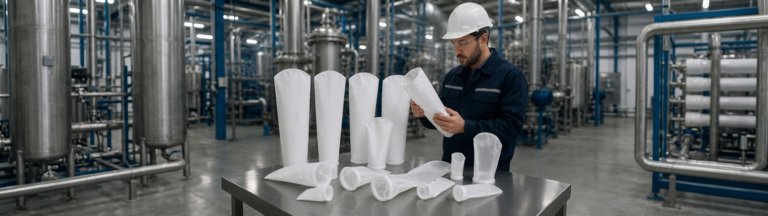
This is why guessing rarely leads to the best results. A water test can help identify the issues that need attention instead of encouraging homeowners to buy equipment they may not need. Depending on the findings, treatment might involve filtration, softening, pH adjustment, or a combination of methods.
The goal isn’t necessarily to install the biggest system available. It’s to find a practical solution that addresses the actual water conditions and fits the property’s needs.
Making Everyday Living Easier at Home
A home should feel comfortable, and water plays a surprisingly large role in that experience. Hard water can leave chalky deposits on faucets, shower doors, dishes, and appliances. Soap may not lather as easily, while laundry can feel rough after repeated washing. These small frustrations tend to build up over time.
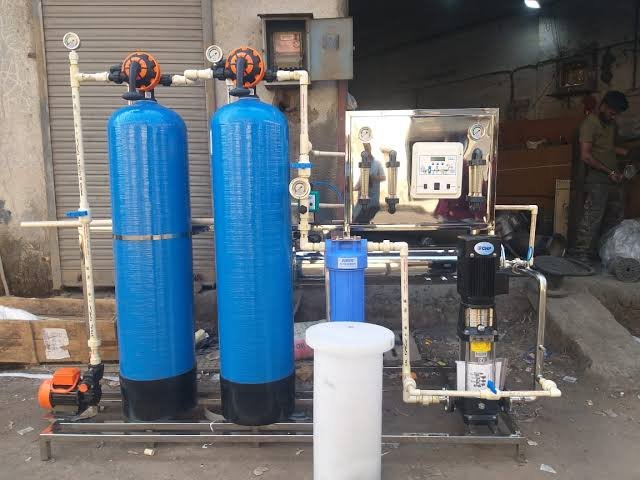
A well-planned residential water treatment system can help address specific problems and make everyday household tasks easier. For example, a water softener may reduce hardness minerals, while a sediment filter can capture suspended particles before they reach plumbing fixtures. If drinking water has a particular taste or requires additional contaminant reduction, a suitable point-of-use filtration system may be worth considering.
Each option serves a different purpose, so choosing the right equipment matters. A softener isn’t designed to remove every contaminant, and a standard sediment filter won’t solve every taste or odor concern. Understanding these differences helps families spend their money wisely.
Maintenance deserves attention, too. Filters need replacement at appropriate intervals, and some systems require periodic cleaning or other servicing. Ignoring maintenance can reduce performance and leave a household wondering why the water doesn’t seem as good as it once did.
Why Businesses Have Different Water Challenges
For commercial properties, water quality can affect much more than comfort. Restaurants rely on water for food preparation, washing dishes, and cleaning surfaces. Hotels use it throughout guest rooms, laundry facilities, kitchens, and heating systems. Manufacturing operations may depend on consistent water conditions to protect equipment or support production processes.
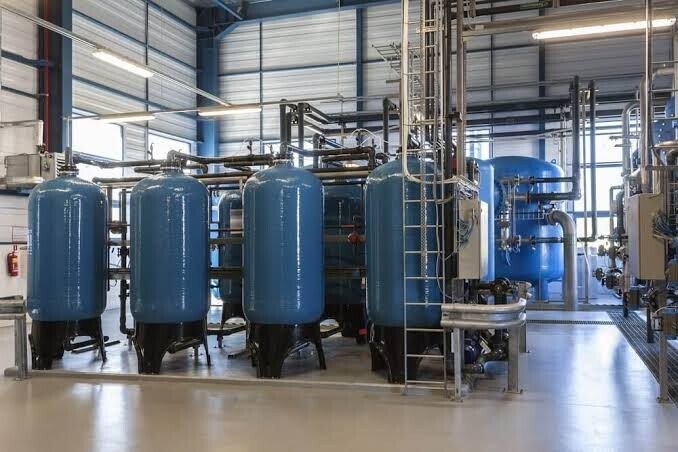
That range of uses makes commercial water treatment a more involved decision. A system must be selected according to water demand, operating hours, equipment requirements, and the consequences of inconsistent water quality. A small office might need a straightforward drinking-water filtration setup, while a large facility could require several treatment stages designed for different applications.
Scale buildup is a good example of why businesses pay attention to water. Minerals can accumulate inside pipes, boilers, water heaters, and other equipment. Over time, deposits may reduce efficiency and increase maintenance requirements. In some settings, properly selected treatment can help limit these problems and support more reliable operation.
Businesses should also consider future demand. A treatment system that performs well during a quiet weekday may struggle when occupancy rises or production increases. Looking at typical and peak water use before installation can prevent unnecessary expense later.
Understanding the Role of Water Purification
The word purification is often used broadly, but different technologies remove different substances. Activated carbon can improve certain tastes and odors and reduce some chemicals. Reverse osmosis can reduce a range of dissolved substances, depending on the equipment and operating conditions. Ultraviolet treatment can inactivate susceptible microorganisms when the system is properly designed and maintained, but it doesn’t remove dissolved minerals or particles.
Effective water purification begins with knowing which contaminants need to be addressed. That means reviewing test results, understanding the intended use, and selecting equipment capable of meeting the relevant requirements. A system designed for drinking water may not be appropriate for every industrial or whole-building application.
It’s also important to remember that no single treatment method solves every water problem. Some properties need a sequence of treatments, such as sediment filtration followed by another technology selected for a specific contaminant. The order and combination depend on the water analysis and the manufacturer’s recommendations.
Where drinking-water safety is a concern, testing and treatment should follow applicable local standards. If a private well is used, regular testing is particularly important because water quality can change with weather, nearby activities, and conditions underground.
Choosing Equipment Without Overcomplicating the Process
Shopping for water systems can feel overwhelming. Product descriptions may promise cleaner water, improved taste, or longer-lasting plumbing, but those claims don’t automatically tell you whether a particular system fits your situation.
Start with the problem you want to solve. Is the main concern hard water? A metallic taste? Sediment? A specific contaminant identified by testing? Once that question is answered, compare systems based on their treatment capabilities, capacity, maintenance needs, operating costs, and available service support.
Installation matters as much as the equipment itself. Incorrect sizing or poor installation can affect flow, performance, and reliability. For more complex systems, professional assessment can help ensure that the equipment suits the plumbing layout and actual water demand.
It’s sensible to ask about ongoing expenses before making a decision. Replacement filters, salt, electricity, wastewater, and periodic servicing may all contribute to the total cost of ownership. The lowest purchase price doesn’t always represent the best long-term value.
Maintenance Keeps Water Systems Working Properly
Even a well-designed system needs attention. Filters gradually collect particles, softeners may need salt replenishment, and treatment units can require inspections or component replacement. Following the manufacturer’s maintenance schedule helps keep the system operating as intended.
Businesses may benefit from documented service routines because water-related equipment problems can disrupt daily operations. Homeowners can also make maintenance easier by keeping installation details, filter sizes, and service dates in one place.
If water quality changes suddenly, don’t assume the treatment equipment is automatically responsible. Changes in the source supply, plumbing, or local conditions may also be involved. Retesting the water and checking the system can help identify the cause.
A Practical Investment in Better Water
Good water management starts with a clear understanding of what a property needs. For households, the right setup can make routine tasks more pleasant and help address specific water-quality concerns. For businesses, it can support reliable operations and reduce avoidable maintenance challenges.
There isn’t one perfect system for every building, and more equipment doesn’t always mean better results. Testing, careful selection, proper installation, and consistent maintenance are what make the difference. When those pieces come together, water treatment becomes less of a guessing game and more of a practical investment in comfort, performance, and confidence.