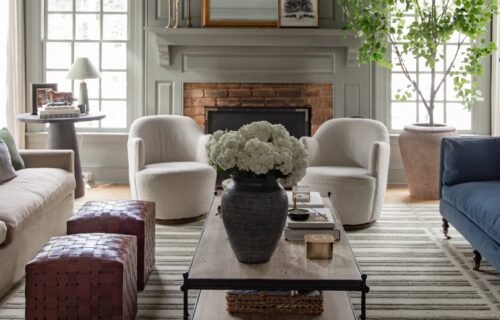
Scandinavian Home Design Explained: A Simple Guide
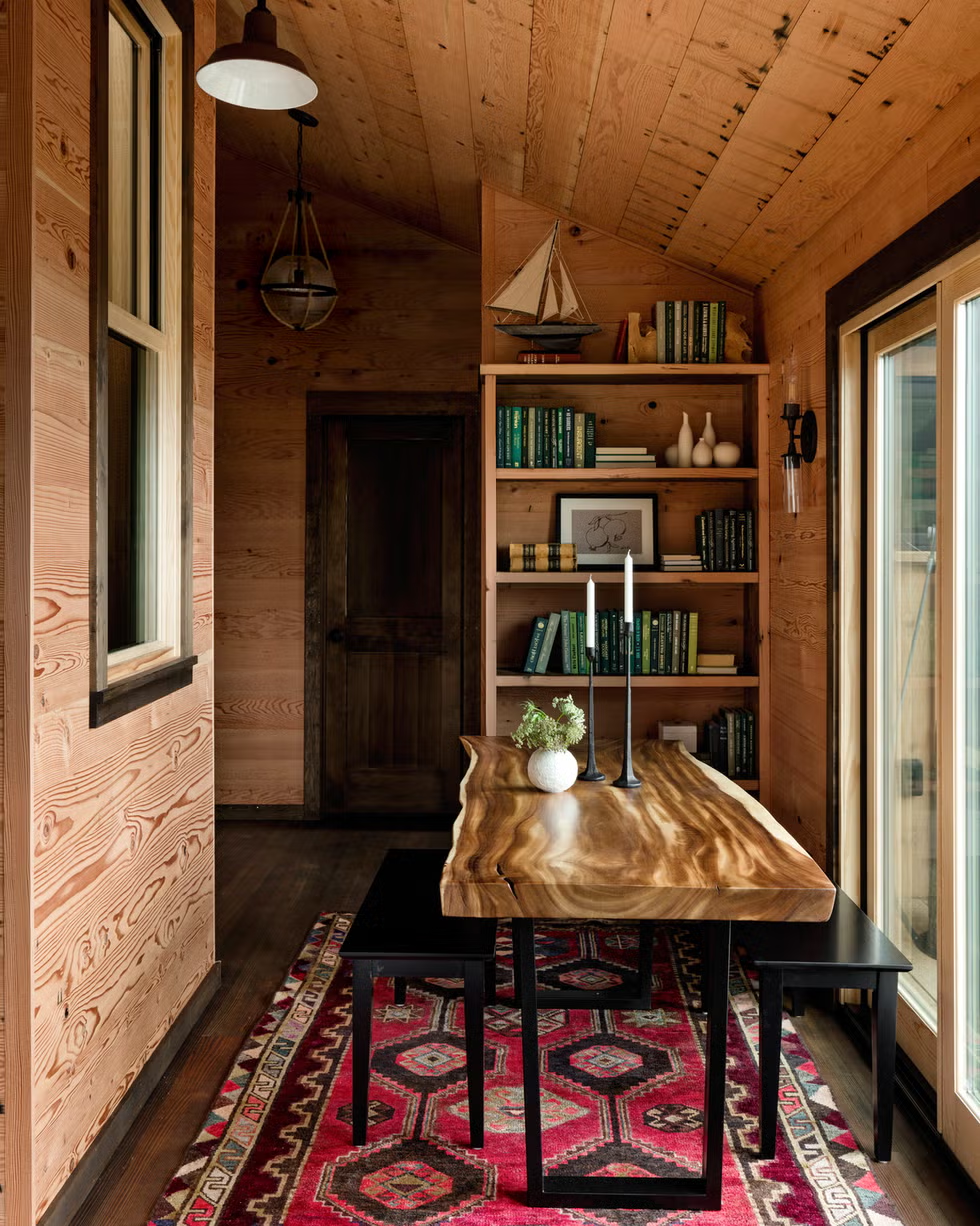
You’ve seen the photos — pale wood floors, a single potted plant, walls so white they almost glow. Scandinavian home design has been everywhere on Pinterest and Instagram for years now, but ask most people what actually defines it, and you’ll get vague answers about “minimalism” and “hygge.” There’s more to it than that, honestly. I’ve worked on a few apartment makeovers where clients wanted “that Scandinavian look” without really knowing what it meant beyond white walls and IKEA furniture. It’s a style built around function first, and warmth second — not the cold, sterile look people sometimes assume from photos alone. Let’s break down what actually makes it work, and how it translates into homes here in India, where the climate and light are nothing like Stockholm’s.
What Is Scandinavian Home Design, Really?
Quick answer: Scandinavian home design is an interior style from Nordic countries built around simplicity, natural materials, muted color palettes, and practical furniture — designed originally to maximize limited daylight and create warmth during long, dark winters.
It emerged in the early-to-mid 20th century, largely as a response to the region’s brutal winters and short daylight hours. Homes needed to feel bright and calm even when the sun barely showed up. That practical need shaped everything — light wood, pale walls, functional furniture that didn’t waste space.
I’d argue it’s less about looking a certain way and more about solving a problem, which is honestly why the style has aged so well. Good design usually comes from necessity, not just aesthetics.
The Core Colors of Scandinavian Interiors
White dominates, but it’s rarely a flat, stark white. Off-whites, soft greys, and pale beige show up constantly as base tones, with color introduced sparingly.
- Walls: usually white or a very light grey, sometimes with the faintest warm undertone
- Wood: pale, natural finishes — think birch, ash, or light oak rather than dark walnut
- Accents: muted blues, sage green, or blush pink used sparingly, never as the main event
I’ve noticed a lot of Indian homeowners assume “Scandinavian” means pure white everywhere, and then the room ends up feeling flat and a bit clinical under our brighter daylight. A slightly warmer off-white actually reads better here than it does in a Scandinavian country with weaker natural light.
Furniture: Function Over Flash
Quick answer: Scandinavian furniture prioritizes clean lines, functional design, and quality natural materials over ornate detailing, with pieces often serving dual purposes to keep smaller homes uncluttered.
This isn’t about buying the cheapest furniture that looks plain. It’s about pieces that earn their spot in the room.
- Multi-purpose furniture — a storage ottoman, a bed frame with drawers underneath — is core to the style, not an afterthought
- Wooden legs, visible and tapered, rather than furniture hidden behind heavy upholstered skirting
- Fewer pieces overall, chosen deliberately rather than filling every corner
Picture a small business owner in Jaipur converting a spare room into a home office, wanting that clean Scandinavian feel. Instead of buying five separate furniture pieces, she picked a single desk with built-in shelving and a daybed that doubled as a guest bed. The room felt open, not empty — that’s really the difference between minimalism done well and a room that just looks unfinished.
Natural Materials and Textures
Wood, wool, linen, and leather show up constantly, and texture does a lot of work replacing what color would normally provide.
- Chunky knit throws add warmth to an otherwise pale room
- Wool rugs, often in simple geometric patterns, ground the space
- Exposed wood grain — visible knots and grain lines — is treated as a feature, not a flaw
Has this ever happened to you — a room that’s technically well-designed but feels a bit cold to actually sit in? That’s usually a texture problem, not a color one. Scandinavian design leans hard on texture specifically to avoid that.
Lighting: The Most Overlooked Element
Given the style’s origins, lighting deserves way more attention than most people give it when copying the look.
Layered lighting matters — a mix of a central fixture, a floor lamp, and smaller table lamps, rather than one harsh overhead light. Warm-toned bulbs (2700K-3000K) suit the aesthetic far better than cool white LEDs, which can feel clinical against pale wood and white walls.
In Indian homes, where natural daylight is often stronger and harsher than in Nordic countries, sheer curtains rather than heavy drapes let that light filter in softly instead of blocking it entirely.
Adapting Scandinavian Design for Indian Homes and Climate
This is where a lot of straightforward “how-to” guides fall short — copying the look exactly doesn’t always work in Indian conditions.
Pale wood and white upholstery show dust and stains faster in dustier Indian cities, so treated fabrics or slightly darker neutral tones can be a smarter, more practical swap. [link to related guide on low-maintenance furniture fabrics here] Ventilation also matters more here than in cooler climates — Scandinavian rooms often skip heavy curtains, which works less well if you’re trying to block strong afternoon sun in Jaipur or Delhi.
Common Mistakes When Copying the Scandinavian Look
A few things trip people up constantly when they try to recreate this style at home.
- Buying everything in stark white, which reads cold rather than calm under strong Indian daylight
- Overcrowding a “minimal” room with too many small decor pieces, defeating the whole point
- Skipping texture entirely and ending up with a flat, one-note room
- Ignoring lighting temperature and using cool white bulbs that clash with warm wood tones
FAQs About Scandinavian Home Design
What defines Scandinavian home design? Simplicity, natural materials, muted colors, and function-first furniture define the style, originally shaped by Nordic countries’ need for brightness and warmth during long winters.
Is Scandinavian design the same as minimalism? They overlap but aren’t identical. Scandinavian design values simplicity like minimalism does, but it leans more on natural textures and warmth, while pure minimalism can sometimes feel starker and less cozy.
What colors are used in Scandinavian interiors? White, soft grey, and pale beige dominate as base tones, with muted accent colors like sage green or dusty blue used sparingly rather than as a main feature.
Can Scandinavian design work in small apartments? Yes, it actually suits small spaces particularly well, since the style favors multi-purpose furniture and an uncluttered layout that makes limited square footage feel more open.
Is Scandinavian design suitable for hot climates like India? With some adjustments, yes. Slightly warmer off-whites, treated fabrics, and better ventilation planning help the style hold up better under Indian daylight and dust conditions than a direct copy would.
What’s the difference between Scandinavian and Japandi style? Japandi blends Scandinavian simplicity with Japanese design principles, adding darker wood tones and more emphasis on asymmetry, while classic Scandinavian design leans lighter and more uniform overall.
Final Thoughts
Scandinavian home design isn’t really about buying pale furniture and calling it done — it’s a style built on function, natural texture, and light doing most of the emotional work in a room. Get the wood tones, lighting temperature, and a few textural layers right, and you’re most of the way there, even without shipping anything from Scandinavia itself.
If you’re planning a room refresh in 2026, start small — swap one harsh overhead bulb for a warm-toned lamp, add a wool throw, and see how the room feels before committing to a full redesign. Sometimes one change tells you everything about whether the style actually suits your space. [link to related guide on minimalist interior design ideas here]