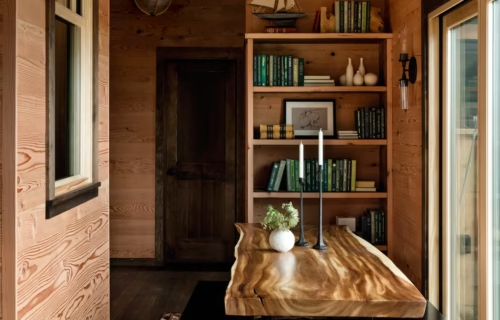
Mix and Match Furniture Styles Without Making It Look Off
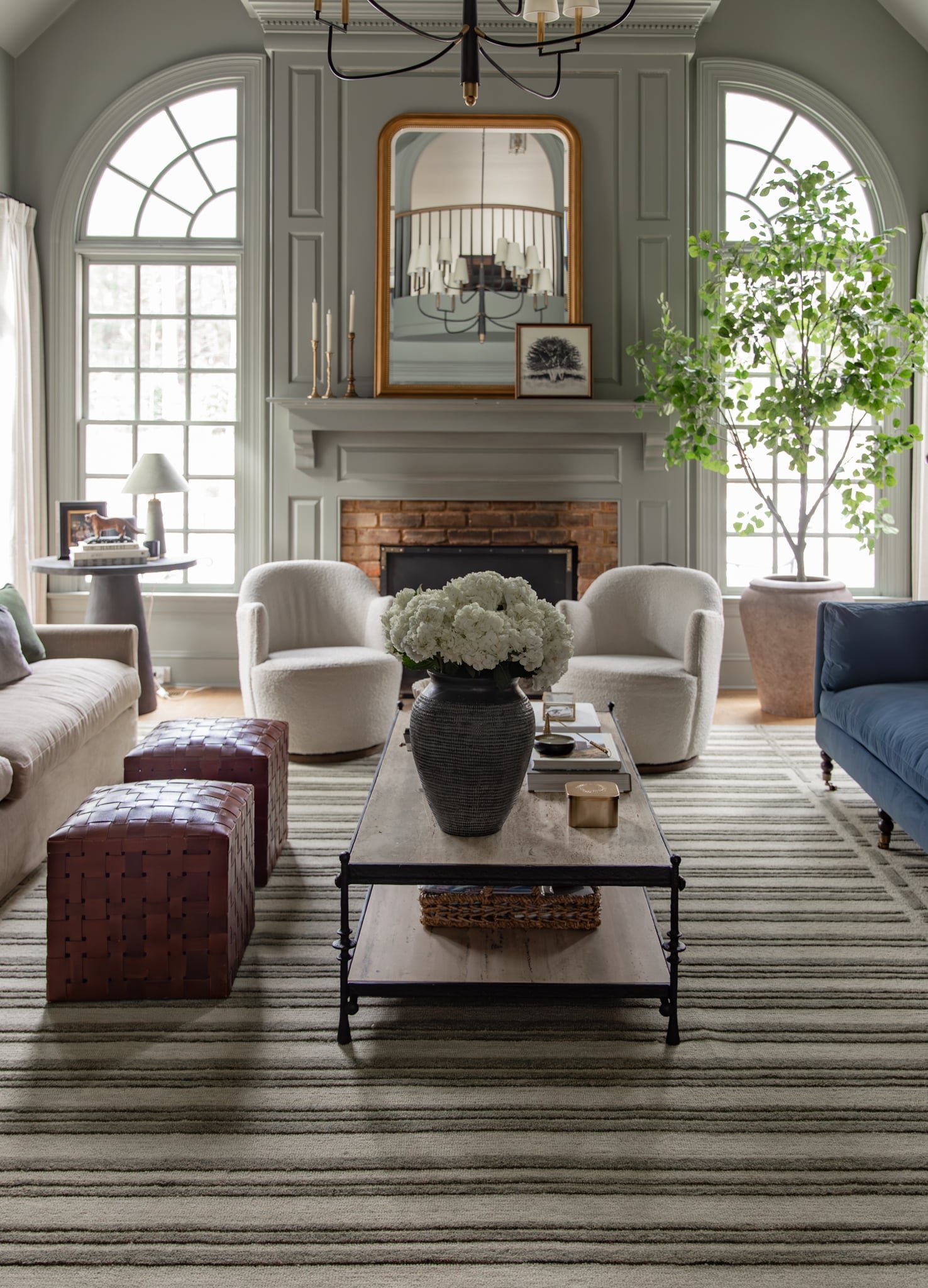
You inherited your grandmother’s teak dining table, bought a modern sofa last year, and now you’re staring at both wondering if they can actually share a room. This is probably the most common question I get from friends redoing their homes — can you really mix and match furniture styles, or does everything need to “match” like a showroom catalog? Short answer: yes, you can mix styles, and honestly, rooms that do this well tend to feel far more interesting than the ones where every piece came from the same collection. The trick isn’t avoiding mismatched furniture. It’s finding what ties mismatched pieces together so the room reads as intentional, not accidental.
Why Matching Furniture Sets Can Look Boring
Quick answer: Furniture sets bought as a matching collection often look flat and showroom-like because every piece shares the same finish, proportion, and design era, leaving no visual contrast or personality in the room.
I’ll be honest, I’ve never loved a room where every single piece came from one matching set. It looks fine, sure, but it rarely looks memorable. There’s no story to it, nothing that makes you look twice.
Mixing furniture styles, done with a bit of intention, gives a room texture and history. A vintage cabinet next to a clean modern sofa tells you something about the people who live there — that they collected pieces over time rather than furnishing a whole room in one afternoon.
Pick One Element to Repeat Across Styles
This is genuinely the single most useful trick for mixing and matching furniture styles without the room feeling chaotic.
- Repeat a color — maybe every piece has some black metal detail, even if the styles differ wildly
- Repeat a material — wood tone consistency (even across different furniture eras) ties a room together fast
- Repeat a shape — rounded edges across an otherwise mismatched set of chairs and tables creates subtle cohesion
Has this ever happened to you — a room with genuinely nice individual pieces that still feels disjointed as a whole? That’s usually a missing repeated element, not a “wrong furniture” problem.
Balance Old and New Pieces Deliberately
Picture a family in Jaipur who inherited a carved wooden almirah from their grandparents but wanted the rest of the bedroom to feel current and clean. Instead of hiding the almirah in storage, they kept it as the room’s anchor piece and built everything else — a simple platform bed, plain linen curtains, minimal bedside tables — around it. The contrast actually made the almirah stand out as a feature, not an eyesore.
- Let one older or more ornate piece be the star, not one of five competing statement pieces
- Keep newer, simpler furniture quiet around it, so it doesn’t fight for attention
- Repair or refinish old furniture rather than replacing it — it usually costs less and adds more character
Use the 80-20 Rule for Style Mixing
A rule I genuinely find useful, even if it’s not some official design law: keep roughly 80% of your furniture in one dominant style, and let the remaining 20% bring in contrast.
Quick answer: The 80-20 rule for mixing furniture styles suggests keeping 80% of pieces in one cohesive style — modern, traditional, or transitional — while the remaining 20% introduces contrast through an accent chair, a vintage piece, or a unique light fixture.
This keeps a room from feeling like a furniture showroom while also avoiding total chaos. Too much of “everything is different” reads as unplanned, while 100% matching reads as sterile. The 80-20 split sits comfortably in between.
Color and Fabric as the Unifying Thread
When furniture pieces come from completely different eras or styles, color often does more heavy lifting than people expect.
- A consistent cushion fabric across an old sofa and new chairs pulls them visually together
- Painting one older piece in a neutral tone (rather than leaving its original loud finish) can help it sit better with newer furniture
- Rugs are underrated here — a single rug beneath mismatched furniture visually “contains” the whole grouping
I’ve noticed that people underestimate how much a ₹3,000-5,000 rug can do to make wildly different furniture pieces feel like they belong in the same room together.
Mixing Furniture Styles by Room Function
Not every room needs the same mixing approach, and honestly some rooms handle contrast better than others.
Living rooms, being more social and visually “busy” already, can handle bolder mixing — a modern sectional with a vintage coffee table, for instance. Bedrooms tend to feel calmer with less contrast, so I’d lean toward the 80-20 rule more strictly there. [link to related guide on furniture layout for small living rooms here]
Common Mistakes When Mixing Furniture Styles
A few things trip people up constantly when attempting this.
- Mixing too many wood tones without any repeated element tying them together
- Choosing pieces from opposite ends of the formality spectrum (very ornate next to ultra-minimal) without a transitional piece to bridge them
- Ignoring scale — a delicate vintage chair next to an oversized modern sofa can look like a mismatch in proportion, not just style
- Forgetting lighting fixtures also count as “furniture style” and need to fit the mix too
FAQs About Mixing and Matching Furniture Styles
Can I mix modern and traditional furniture in the same room? Yes, and it often looks better than an all-modern or all-traditional room. Use a repeated color, material, or shape to tie the two styles together so the contrast feels intentional.
How many furniture styles should I mix in one room? Two styles generally work best. Three or more can start feeling chaotic unless you’re very deliberate about a unifying color palette or material running through everything.
What is the 80-20 rule in interior design? It suggests keeping 80% of your furniture in one dominant style and letting the remaining 20% introduce contrast through an accent piece, giving a room personality without looking disorganized.
Should all my wood furniture match in tone? Not necessarily, but having at least one repeated wood tone across different pieces helps avoid a jarring, disconnected look, especially in smaller rooms.
How do I mix vintage furniture with modern pieces? Let the vintage piece be the standout feature, and keep surrounding modern furniture simple and quiet so it doesn’t compete for attention. A shared color or fabric thread helps bridge the two.
Does mixing furniture styles work in small apartments? Yes, it can actually make a small space feel more curated and personal, as long as you’re careful about scale and don’t overcrowd the room with too many competing statement pieces.
Final Thoughts
Learning to mix and match furniture styles really comes down to intention — repeat an element, follow something like the 80-20 balance, and let contrast feel deliberate rather than accidental. A room built entirely from one matching set might look safe, but it rarely looks like anyone actually lives there.
If you’re staring at mismatched furniture right now wondering if it can work, start small — add one rug or one cushion fabric that ties two pieces together and see how the room shifts. Sometimes that’s all it takes to turn “doesn’t match” into “looks intentional.” [link to related guide on choosing a rug for mismatched furniture here