Home Security Tips for Families Going on Vacation
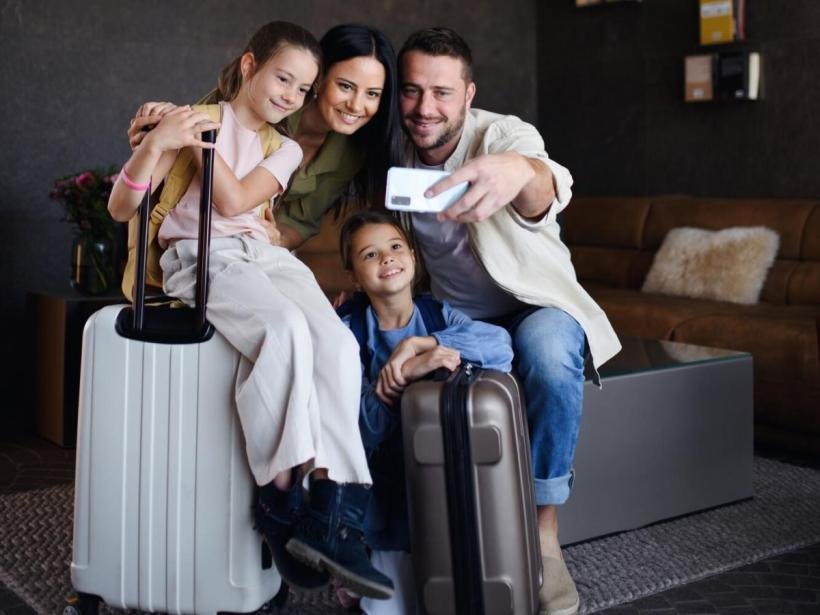
Bags packed, tickets confirmed, and then that little nagging thought creeps in right before you lock the door — did I forget something? For most families, the answer isn’t about what’s in the suitcase. It’s about what’s left behind, unguarded, for a week or two. Good home security tips for vacation aren’t complicated, but they do need a bit of planning, ideally more than the night before you leave. In 2026, with more families traveling again and burglars increasingly scouting social media for “away from home” clues, a little prep goes a long way.
I learned this one the hard way — posted a vacation photo on day one of a trip, and came back to find someone had clearly tried the back gate. Nothing was taken, thankfully, but it was a wake-up call. Small habits matter here.
Don’t Announce Your Trip Online
Quick answer: Avoid posting vacation photos or trip details on social media until after you’re back home. Real-time posts signal an empty house to anyone watching, including people outside your immediate friend circle who might see shared or public posts.
I know, it’s tempting to post that beach photo the moment you land. But save it. Post your vacation highlights after you’re home, not during. This is one of the simplest home security tips for vacation and also the most commonly ignored, mostly because nobody thinks it’ll happen to them.
If you really can’t resist posting during the trip, at least keep your account private and double-check who’s actually seeing those posts.
Make the House Look Lived-In
An empty-looking house is basically an invitation. Curtains never moving, no lights on at night, mail piling up at the gate — these are the exact signals that tell someone nobody’s home for a while.
Simple fixes:
- Use a timer switch for a couple of lights, so they turn on and off like normal
- Ask a neighbor to occasionally park their car in your driveway or move your bins out on collection day
- Leave one curtain slightly open, mimicking normal daily movement
- Cancel newspaper delivery, or better, ask someone to collect it daily if you can’t cancel
Get a Trusted Neighbor or Relative Involved
Has this ever crossed your mind — that a nosy but well-meaning neighbor is actually one of your best security assets? It’s true. Someone who notices when things look off is worth more than most gadgets.
Give a trusted neighbor or nearby relative a spare key, your contact number, and a rough idea of your travel dates. Ask them to glance at the house every couple of days, collect any post, and just generally keep an eye out. This single step covers gaps that cameras and locks alone can’t.
Secure Every Entry Point, Not Just the Front Door
People obsess over the main door lock and forget the side entrances, balcony doors, and ground-floor windows entirely. Before leaving, do a full walk-through checking every single entry point, not just the obvious one.
- Double-check balcony and terrace access doors, especially if connected to a common building area
- Make sure ground-floor windows have working locks, not just latches
- Check that any spare key hidden “cleverly” outside isn’t actually obvious (under the mat really doesn’t fool anyone)
- Test your main lock properly, don’t just assume it’s fine because it worked last time
Cameras and Smart Devices Are Worth the Investment
Quick answer: A basic outdoor security camera with app-based motion alerts is one of the most effective home security tips for vacation, letting you check in remotely and get notified of unusual activity in real time, even from another city or country.
You don’t need a full smart home setup. One or two cameras covering the main entry points, connected to an app that pings your phone on motion, gives real peace of mind during a trip. Prices have come down a fair bit — a decent camera with cloud storage runs around ₹3,000-6,000 now, which feels reasonable against what a break-in could actually cost you.
[link to related guide about choosing a home security camera here]
Don’t Forget Utilities and Small Risks
Before leaving, unplug non-essential appliances — this protects against both electrical fire risk and voltage spikes while you’re away. Turn off the main gas supply if you’re going to be gone more than a few days. Small step, real risk reduction.
I’d also suggest checking your geyser and any water connections aren’t left running or leaking, since a small leak left unattended for two weeks can cause real damage by the time you’re back.
[link to related guide about pre-travel home safety checklist here]
Inform Your Society or Building Security
If you live in a gated community or apartment complex, let the security desk know you’re traveling and roughly when you’ll be back. Most societies keep a visitor log, and having your absence noted means unusual activity around your unit is more likely to get flagged.
Suggested alt text: “Family packing suitcases before a vacation, home security checklist nearby” Suggested alt text: “Outdoor security camera mounted near a front door for remote monitoring” Suggested alt text: “Neighbor collecting mail from a mailbox while family is away on vacation”
FAQs
Is it really risky to post vacation photos in real time? Yes, more than people assume. Even with a private account, real-time posts create a pattern that signals an empty home, especially over longer trips.
What’s the most effective home security tip for a short weekend trip? For short trips, a timer switch for lights and asking a neighbor to keep an eye out usually covers the risk well, without needing a full security setup.
Should I install cameras just for vacation, or are they worth having year-round? Definitely worth having year-round. The upfront cost pays off well beyond vacation season, covering everyday deliveries, visitors, and general peace of mind.
How do I handle mail and deliveries while away for an extended trip? Ask a neighbor to collect mail daily, or pause deliveries where possible. A pile-up at the gate is one of the clearest signs a home is unoccupied.
Is it safe to give a spare key to a neighbor? Generally yes, if it’s someone you genuinely trust. It’s usually safer than hiding a key outside, which experienced burglars know to look for anyway.
Do I need to tell my building security every time I travel? For longer trips, yes, it’s worth it. For a quick overnight trip, it’s less critical, but for anything beyond a couple of days, informing them adds a real layer of protection.
Conclusion
None of these home security tips for vacation require expensive gadgets or a complicated setup — mostly it’s about not leaving obvious signs that nobody’s home, and having a trusted person keeping half an eye on things while you’re gone. Skip the real-time social posts, secure every entry point, and loop in a neighbor or your building security before you leave. Do a quick fifteen-minute walkthrough of your home the night before your trip, and you’ll travel with a lot less to worry about.