Most people don’t think much about their HVAC system when it’s working properly. The house is warm when it’s cold outside, cool when summer arrives, and the air conditioner or furnace quietly does its job in the background. That’s exactly how it should be. But when the system starts making odd noises, struggling to maintain the temperature, or refusing to turn on altogether, it suddenly becomes impossible to ignore.
That’s when the difference between simply hiring someone and choosing the right HVAC professional becomes clear. Heating and cooling equipment is a significant investment, and the quality of the work surrounding it can affect comfort, energy use, reliability, and the lifespan of the system. A quick fix might solve today’s problem. Good service looks a little further ahead.
The Installation Sets the Tone
A heating or cooling system can be one of the most expensive mechanical investments in a home. So it makes sense to assume that buying a good unit is the most important part. In reality, what happens during installation matters enormously too.
Even excellent equipment can underperform when it isn’t correctly sized, connected, configured, or tested. An improperly sized system may run too often, struggle during extreme weather, or create uncomfortable temperature swings between rooms. Poor airflow can create another set of headaches.
Professional quality installations begin with understanding the property rather than simply replacing the old unit with something that looks similar. A technician may consider the home’s size, insulation, ductwork, windows, layout, existing equipment, and expected heating or cooling demand.
It’s not always exciting work, but careful preparation can prevent expensive problems later.
The Cheapest Repair Isn’t Always the Best Repair
When something breaks, most homeowners understandably want it fixed quickly and affordably. Nobody wants an unexpected HVAC bill, especially in the middle of a hot summer afternoon.
Still, the lowest price isn’t necessarily the best value.
A technician who replaces one failed component without investigating why it failed may get the system running again, but the same problem—or a related one—could return. A better approach is to diagnose the underlying issue before recommending a solution.
For example, weak airflow might be caused by a dirty filter, blocked duct, failing blower motor, or another problem entirely. Each requires a different response. Guessing can turn a manageable repair into a frustrating cycle of repeat service calls.
Good Communication Is Part of Good Service
Technical ability matters, but communication matters more than people sometimes realize.
If a technician tells you that a part needs to be replaced, you should be able to ask what the part does, why it failed, and whether repairing it makes sense for the age of your equipment. You should also receive a clear explanation of the expected cost before unnecessary work begins.
That kind of reliable service creates trust. Customers don’t expect technicians to know everything about their particular household, but they do expect honesty and professionalism.
There’s also something reassuring about a contractor who doesn’t make every problem sound like a catastrophe. Sometimes a system needs a major repair. Sometimes it just needs maintenance or a relatively inexpensive component. Straight answers make those decisions much easier.
Maintenance Is Easy to Forget
HVAC maintenance is one of those jobs that tends to disappear into the background. If the equipment is working, why think about it?
Because small problems have a habit of becoming larger ones.
Regular maintenance can help identify worn parts, restricted airflow, dirty coils, electrical issues, drainage concerns, and other developing problems. Filters should also be checked and replaced according to the manufacturer’s guidance.
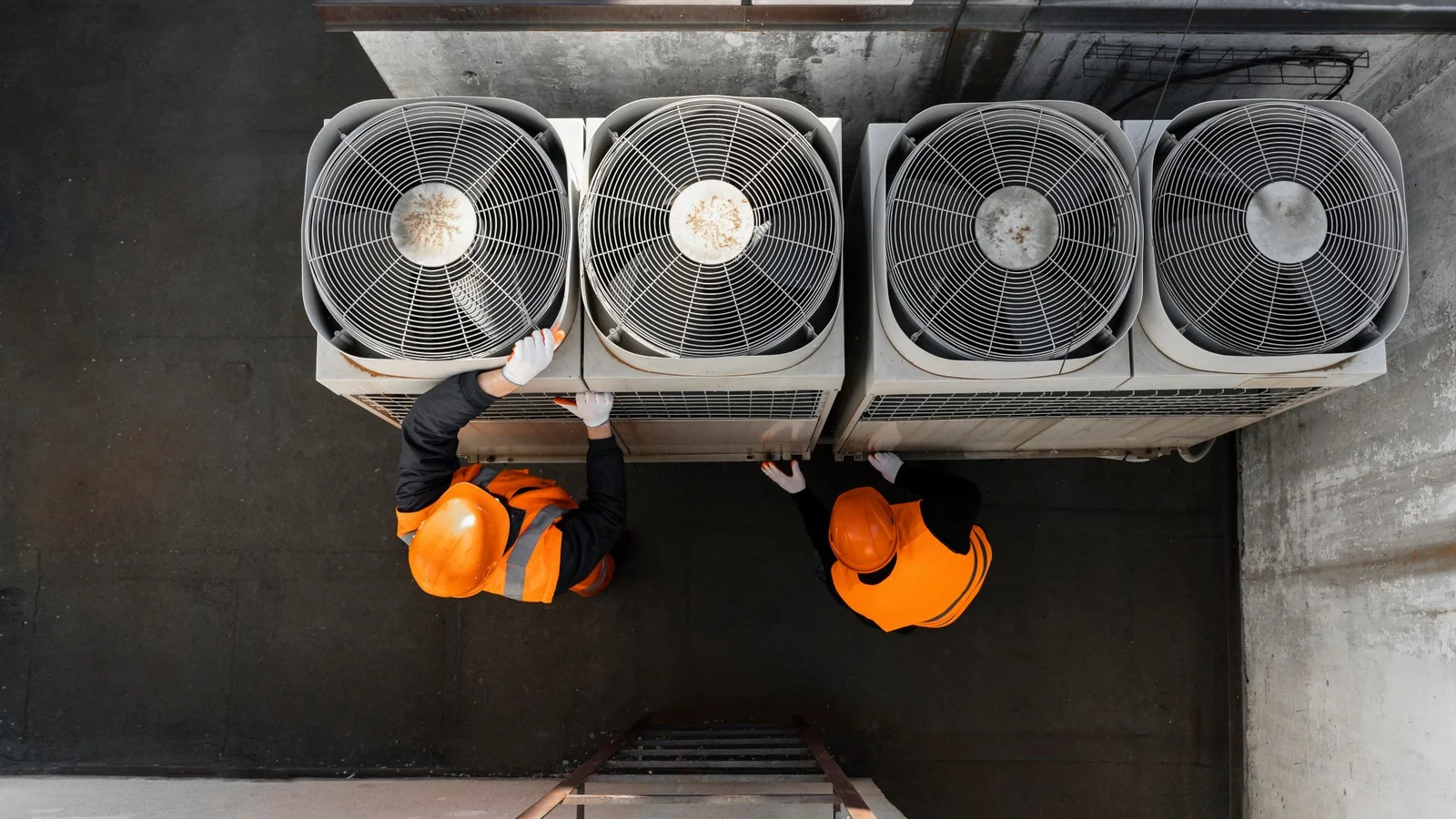
Homeowners can help, too. Keep vents clear, avoid blocking indoor equipment, keep outdoor units free from excessive debris, and pay attention to changes in performance.
A system that suddenly starts running longer than usual is trying to tell you something. So is one that develops a new rattle or strange smell.
Energy Efficiency Starts With the Whole System
When people talk about energy efficiency, the conversation usually focuses on equipment ratings. Those ratings are important, but they don’t tell the entire story.
A high-efficiency HVAC system can still consume more energy than expected if the ductwork leaks, insulation is poor, airflow is restricted, or the thermostat is incorrectly positioned.
This is why a professional evaluation should consider the system as a whole. Sometimes improving airflow or sealing ductwork can make a noticeable difference without replacing the equipment.
Smart thermostats and zoning controls can also be useful in the right situation. But technology should solve a real comfort or efficiency problem. Adding gadgets just because they’re fashionable isn’t necessarily smart.
Older Systems Deserve an Honest Conversation
Eventually, every HVAC system gets old. That doesn’t automatically mean it needs to be replaced.
If an older system has been reliable and repair costs remain reasonable, keeping it may make financial sense. On the other hand, frequent breakdowns, expensive parts, poor efficiency, and inconsistent comfort can change the calculation.
A good HVAC professional should help you compare the options. What would another repair cost? How much life might reasonably remain? What would replacement involve? Would a newer system improve comfort or efficiency enough to justify the investment?
There isn’t one answer for every home. The right decision depends on the equipment and the customer’s priorities.
What Happens When the System Fails at the Worst Possible Time?
HVAC problems rarely happen at convenient moments. Equipment doesn’t check your calendar before breaking down. It can fail late at night, during a holiday weekend, or right in the middle of an extreme weather event.
For those situations, emergency service can provide important peace of mind. Fast response matters when indoor temperatures become uncomfortable or potentially unsafe, particularly for vulnerable occupants.
Of course, emergency service shouldn’t replace routine maintenance. It’s better to catch a failing component during a scheduled inspection than wait until the system stops working completely. Still, knowing help is available when something unexpected happens can make a stressful situation much easier to handle.
Choosing an HVAC Company for the Long Run
Choosing an HVAC contractor is a little like choosing a mechanic. You may not need them every week, but when something goes wrong, you want someone competent, honest, and dependable.
Look at experience, credentials, warranties, reviews, communication, and the range of services offered. Ask questions before approving significant work. A professional contractor shouldn’t mind explaining the recommendation or discussing alternatives.
Don’t be afraid to get more than one estimate when replacement or major repairs are involved. A second opinion can sometimes reveal that you have more choices than you thought.
Most importantly, pay attention to how you’re treated. Respect for your time, your home, and your budget says quite a lot.
Comfort Is the Result of Good Decisions
A comfortable home doesn’t happen by accident. It comes from choosing appropriate equipment, maintaining it properly, and making sure repairs and installations are handled by people who know what they’re doing.
The best HVAC service isn’t necessarily the flashiest or the cheapest. It’s the work that keeps the system dependable, efficient, and ready for whatever the weather brings.
After all, nobody wants to spend a summer evening thinking about their air conditioner or wake up on a freezing morning wondering whether the furnace will start. Good HVAC work gives you something far more valuable than a working machine: peace of mind.