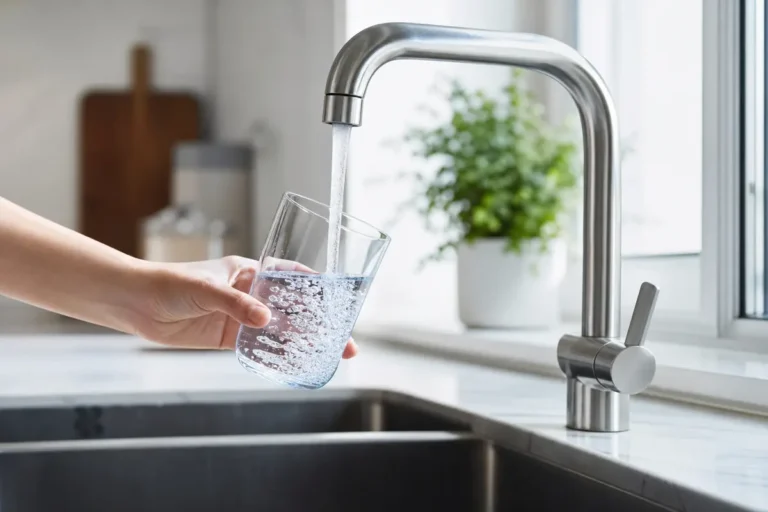
Water doesn’t have to look dirty to have a quality issue. That’s probably one of the stranger things about household water. You can fill a clear glass, hold it up to the window, and see nothing unusual at all. Yet the taste might be slightly metallic, the shower may leave stubborn spots, or your kettle could develop a chalky layer after a few weeks.
These signs don’t necessarily mean something dangerous is happening. They simply suggest that your water deserves a closer look. Instead of guessing which filter or treatment system might help, testing gives you a starting point. And in many cases, that simple step can save money, time, and a fair amount of frustration.
Your Senses Are Useful, But They Don’t Tell the Whole Story
Taste and smell can provide valuable clues. A chlorine-like smell, unusual odor, cloudy appearance, or sudden change in taste is worth paying attention to. But plenty of water characteristics aren’t visible or detectable by your senses.
Dissolved minerals, hardness, pH, and certain other substances can exist in water without changing its appearance. That’s why a glass of perfectly clear water isn’t necessarily proof that everything about its quality is ideal.
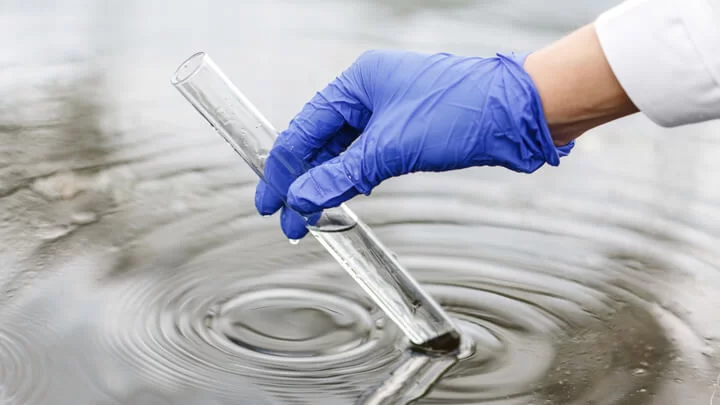
For homeowners, this is where a free water test can be a practical first move, when such a service is available locally. A basic test may provide information about hardness, pH, iron, or other common characteristics. More comprehensive testing may be appropriate depending on the water source and concerns involved.
Pay Attention to Changes Around the House
Your home can sometimes act like an unofficial water-quality detective.
White crust around faucets may point toward hard water. Orange or reddish staining can be associated with iron. A rotten-egg-like odor may indicate hydrogen sulfide in some water sources, particularly private wells. Excess sediment can show up as particles in a glass or buildup on fixtures.
None of these signs should be treated as a definitive diagnosis by themselves. There can be several possible causes, and plumbing itself can contribute to changes in water quality.
Still, patterns matter.
If several fixtures are showing the same issue, or if the problem affects both hot and cold water, it’s worth investigating further rather than simply scrubbing the evidence away every weekend.
Hard Water Is More Than an Annoying White Spot
Hardness is one of the most common household water concerns. It comes primarily from dissolved calcium and magnesium.
These minerals aren’t inherently harmful, but they can create plenty of practical headaches. Soap may lather less effectively. Shower doors can develop scale. Dishes may come out with spots. Water heaters and other equipment can accumulate mineral deposits over time.
The first instinct is often to buy a water softener. Sometimes that’s appropriate. But the better approach is to determine the actual hardness level first.
Treatment should be based on the water you’re dealing with, not on a neighbor’s recommendation or an advertisement promising that one particular machine solves everything.
Private Wells Deserve Extra Attention
If your home uses a private well, regular water testing becomes even more important.
Unlike public water systems, private wells aren’t generally managed in the same way as municipal supplies. Well conditions can change because of flooding, nearby land activity, equipment problems, seasonal changes, or other environmental factors.
A well that has provided clear water for years can still develop a new issue. That’s why relying solely on appearance isn’t a good long-term strategy.
Testing should be based on local guidance and the characteristics of the property. If there has been a major change in taste, odor, appearance, or household plumbing conditions, don’t brush it off simply because the water was fine last year.
Not Every Water Problem Needs the Same Treatment
This is where things can get confusing.
People often use “filter” as a catch-all term, but water treatment technologies are designed for different purposes. A sediment filter can capture particles. Activated carbon can help reduce certain tastes and odors. Water softening is aimed primarily at hardness. Reverse osmosis can reduce many dissolved substances in appropriately designed systems.
In other words, water problems need to be identified before treatment can be selected intelligently.
Installing the wrong equipment isn’t just a financial issue. It can also create unrealistic expectations. A filter designed for sediment, for instance, shouldn’t be expected to solve a dissolved-mineral problem simply because its box says “water filtration.”
Think About the Whole Household
Water quality isn’t only about what comes out of the kitchen faucet.
Consider showers, baths, laundry, appliances, outdoor taps, and the water heater. A household may have different treatment priorities for different uses.
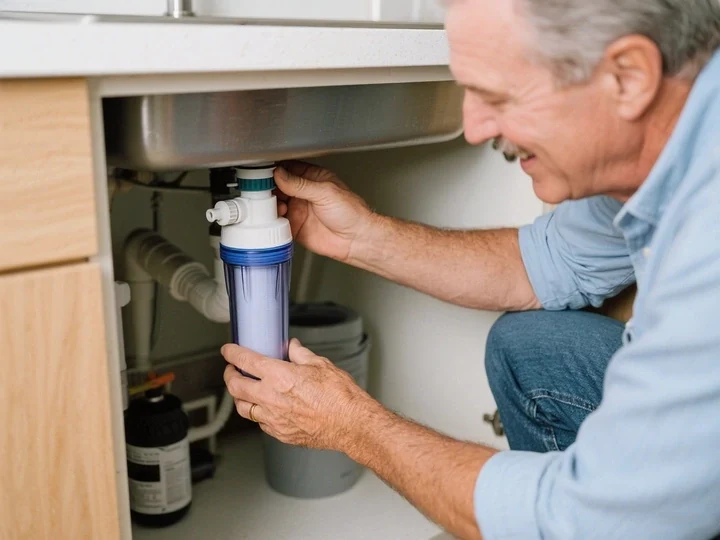
Drinking and cooking may call for point-of-use treatment. Whole-house concerns such as hardness, sediment, or certain odors may require treatment at the main water line.
The right setup depends on the water source and what you’re trying to accomplish. There’s no prize for having the most equipment in the basement. In fact, unnecessary treatment can increase maintenance and operating costs without giving you much extra benefit.
Testing Can Help You Spend More Wisely
Water treatment equipment can be a significant household investment. Testing helps turn a vague concern into something more concrete.
Imagine you’re worried about a strange taste. Without testing, you might buy a softener, then a carbon filter, then perhaps another system because the first one didn’t change anything. That’s a frustrating way to solve a problem.
With useful test results, you can narrow the field. Maybe the issue is hardness. Maybe it’s primarily taste and odor. Maybe the water is generally acceptable but a specific component of the plumbing needs attention.
Good information doesn’t always lead to buying more equipment. Sometimes it tells you that you don’t need much treatment at all.
Maintenance Is Part of Water Quality
Even a properly selected system needs regular care.
Filters have a service life. Membranes eventually need replacement. Softening equipment requires appropriate maintenance. Storage tanks and plumbing components can also need inspection.
Neglected equipment may perform poorly, and homeowners sometimes mistake declining treatment performance for a new water-quality problem.
Keep records of filter changes and service dates. If your water quality changes suddenly, compare the timing with recent maintenance or plumbing work. A little record-keeping can make troubleshooting considerably easier.
What Does Good Water Really Mean?
For most households, the goal isn’t laboratory-perfect water. It’s water that’s appropriate for drinking, bathing, cleaning, cooking, and the needs of the home.
That means understanding the source, knowing what’s actually present, and choosing treatment for a reason.
The phrase pure clean water sounds wonderfully simple, but achieving good water quality isn’t about making every drop identical or installing every technology available. It’s about using the right approach for the specific conditions in your home.
Start With Knowledge, Then Make the Change
If your water tastes strange, leaves unusual deposits, smells different, or simply seems to have changed, don’t panic — but don’t ignore it either.
Start by finding out what’s going on. A sensible water test can provide useful direction, while professional guidance can help interpret results and identify practical treatment options.
Water is used so often that we tend to take it for granted. Yet a small improvement in water quality can affect everything from the morning coffee to the evening shower. The smartest solutions usually begin with something very ordinary: asking a few questions, checking the facts, and then making a decision based on what the water is actually telling you.