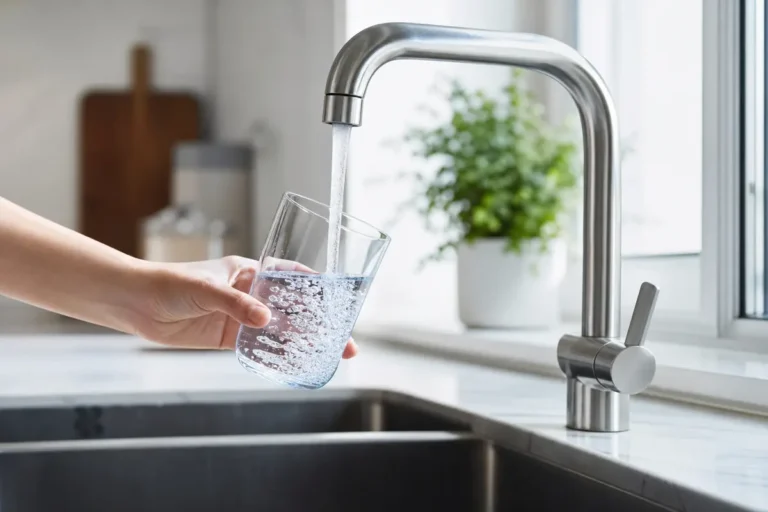
There’s a strange thing about household water: when everything is fine, nobody notices it. But let the taste change slightly, leave a few mineral marks around the faucet, or notice a damp patch near the water heater, and suddenly water becomes the most interesting thing in the house.
These little signs don’t always mean there’s a serious problem. Still, they are worth paying attention to. Water quality affects drinking, cooking, bathing, laundry, appliances, and even the condition of your plumbing. A sensible approach isn’t about becoming obsessed with every possible contaminant. It’s about knowing what’s normal for your home, recognizing changes, and having a plan when something seems off.
Pay Attention to Small Changes
Your senses can sometimes provide the first clue that something has changed.
An unusual smell may point to chlorine, sulfur compounds, or another issue. A metallic taste could be associated with minerals or plumbing materials. Cloudiness might come from suspended particles or simply tiny air bubbles, which isn’t necessarily a cause for alarm.
Hard water has its own familiar calling cards: white deposits on faucets, soap that doesn’t lather easily, dry-feeling skin, and scale inside appliances. None of these signs tells you exactly what is happening, though. They are clues, not a diagnosis.
That’s why it’s helpful to combine observation with proper testing. Instead of wondering whether a particular issue is present, you can get a clearer picture of your water chemistry and make decisions based on evidence.
Water Monitoring Can Add Another Layer of Awareness
Water management used to be mostly reactive. A pipe leaked, someone noticed the puddle, and then the phone calls began.
Connected technology is changing that pattern. A modern drop smart home water management setup can monitor water flow, detect unusual activity, and in some cases alert homeowners to possible leaks. Some systems are designed around individual sensors, while others monitor water use across the property.
That can be particularly helpful when nobody is home. A continuous flow pattern while the family is away might indicate a toilet leak, broken pipe, irrigation issue, or another unexpected source of water consumption.
Of course, technology isn’t magic. Sensors need to be installed correctly and maintained. Alerts also need a human being on the other end who actually pays attention to them. Still, knowing what’s happening with your water in real time can be surprisingly valuable.
Start With the Problem, Not the Product
Walk into a water-treatment showroom and you may find an impressive collection of filters, tanks, membranes, softeners, and digital controls. It’s easy to think you need all of them.
Usually, you don’t.
The better question is: what are you trying to fix?
If hardness is damaging fixtures and appliances, water softening may make sense. If sediment is entering the house, filtration could be the priority. If the concern is a particular contaminant, treatment should be chosen specifically for that substance.
This approach can save money, space, and frustration. A good water-treatment system isn’t necessarily the biggest or most complicated one. It’s the one that solves the right problem.
Drinking Water May Need More Targeted Treatment
Whole-home treatment and drinking-water purification have different purposes.
A homeowner may want to protect plumbing throughout the property while also having highly treated water available for drinking and cooking. That’s where point-of-use systems can be useful.
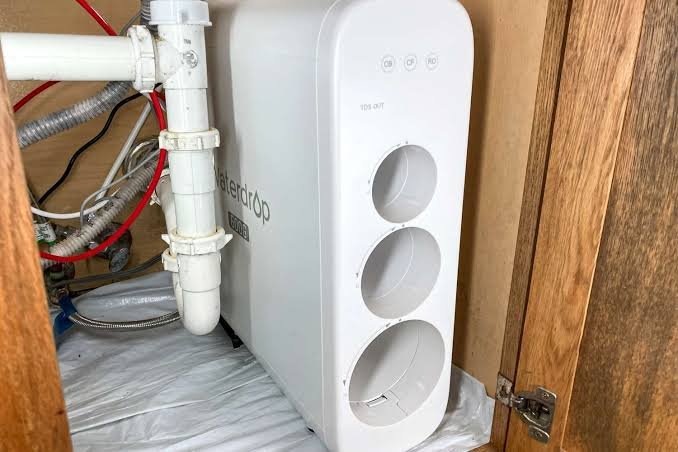
For households dealing with certain dissolved substances, reverse osmosis drinking water systems are one option worth investigating. These systems use a semipermeable membrane to reduce many dissolved contaminants from water. They commonly include additional filtration stages to improve performance and taste.
Reverse osmosis isn’t a universal solution, though. It can produce wastewater during the purification process, and membranes and filters require regular replacement. The right system depends on water quality, household consumption, available space, and the contaminants identified through testing.
In other words, don’t install reverse osmosis simply because it sounds advanced. Install it because the results of your water assessment justify it.
Clear Water Isn’t Always the Same as Clean Water
Appearance can be reassuring, but it doesn’t tell the whole story.
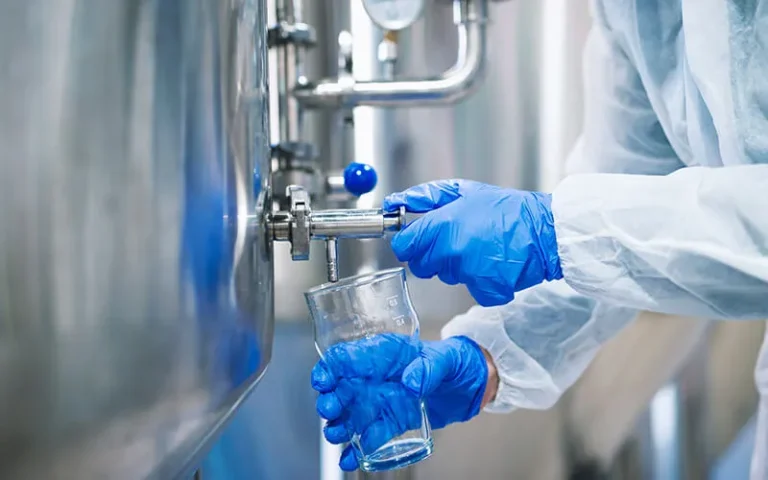
Some water-quality concerns are immediately visible. Others aren’t. A glass of perfectly clear water can contain dissolved substances that cannot be detected by smell, taste, or sight.
PFAS have become a particularly important example of this issue. These manufactured chemicals have been used in a wide range of applications and are known for their persistence. Scientific and regulatory attention has grown as researchers continue studying their environmental and health implications.
If pfas contamination is suspected or has been identified locally, testing is the logical place to begin. Treatment claims should also be examined carefully. Not every filter is designed to reduce PFAS, and performance can vary considerably depending on the specific product and operating conditions.
When it comes to contaminants you can’t see, a little skepticism is healthy. Look for measurable performance rather than vague promises.
Your Plumbing Can Tell Part of the Story
Water quality and plumbing health are closely connected.
Hardness can contribute to scale. Sediment can interfere with fixtures. Corrosion can affect pipes and potentially influence the water coming from your taps. Even a high-quality treatment system can’t compensate for badly deteriorated plumbing.
If water suddenly changes color or taste, don’t automatically blame the treatment equipment or municipal supply. The plumbing inside the property deserves consideration too.
Older homes, in particular, may benefit from a professional inspection when water quality changes unexpectedly. Sometimes the answer isn’t another filter. It’s a plumbing repair.
Maintenance Is Easy to Forget
Here’s the unglamorous part of water treatment: equipment needs attention.
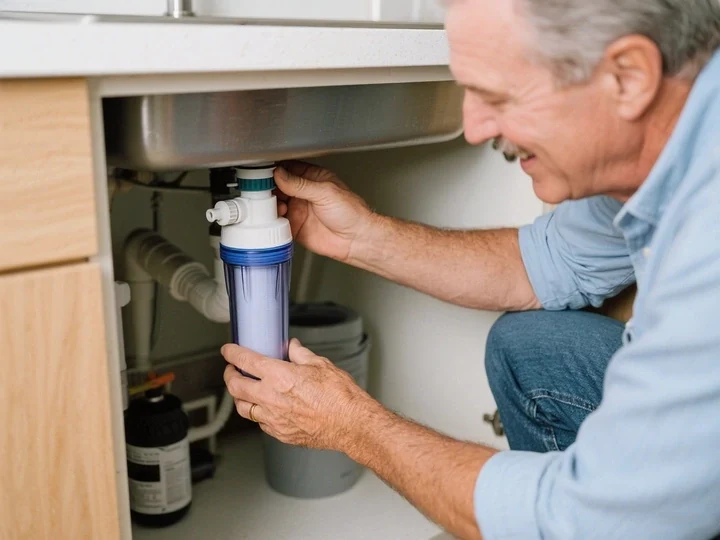
Filters become loaded with material. Membranes eventually need replacement. Water softeners may require salt and servicing. Sensors need to remain functional. Storage tanks and housings should be inspected according to manufacturer guidance.
Skipping maintenance can gradually reduce performance. The frustrating thing is that the system may continue operating, giving the impression that everything is fine.
A simple calendar reminder can help. Keep track of filter changes, inspections, water tests, and service visits. It doesn’t need to become a household project with spreadsheets and color-coded tabs. Just enough organization to prevent important tasks from disappearing into the background.
Don’t Overlook Water Efficiency
Clean water is important, but wasting it isn’t ideal either.
Some treatment systems consume water during operation, while leaks can waste water without anyone realizing it. Monitoring household consumption can reveal patterns that would otherwise go unnoticed.
A family might discover that water use spikes overnight. A sensor could reveal a slow leak. A treatment system might be operating less efficiently than expected. These aren’t dramatic discoveries, but they can lead to practical improvements.
Water efficiency isn’t always about making major lifestyle changes. Fixing a dripping faucet, repairing a running toilet, choosing efficient fixtures, and maintaining treatment equipment can make a meaningful difference over time.
A Sensible Water Strategy Doesn’t Have to Be Complicated
The best household water plan is usually built around understanding rather than fear.
Test when there is a reason to test. Treat specific problems with appropriate technology. Monitor water use where it provides real value. Keep equipment maintained. And don’t ignore changes simply because the water still looks normal.
There is something reassuring about knowing what’s coming through your taps. You don’t need to become a water-quality expert to get there. A little curiosity, reliable testing, and the right treatment approach can go a long way.
In the end, good water management is less about buying more equipment and more about making smarter decisions. Your home already gives you plenty of clues. You just have to notice them.