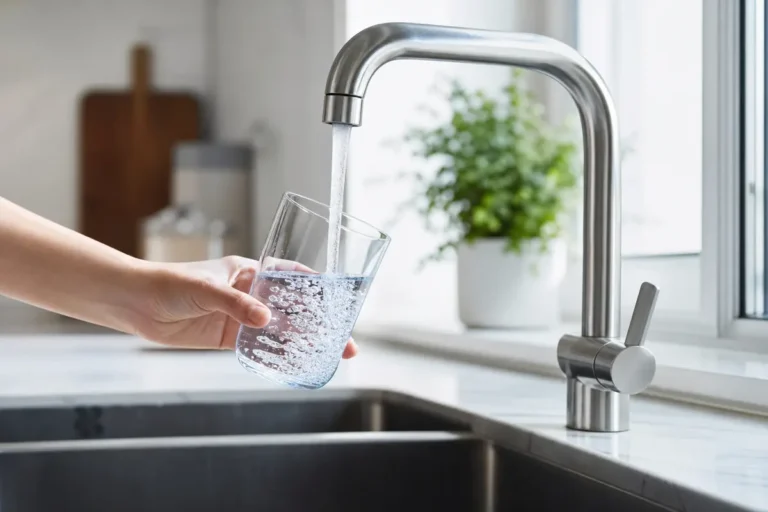
Water is one of those household essentials most people barely think about until something changes. A glass of tap water suddenly tastes odd. The shower leaves a film on your skin. The kettle develops a chalky layer that seems to return almost overnight. None of these things necessarily means the water is unsafe, but they can be signs that your home’s water chemistry deserves a closer look.
Choosing a treatment system isn’t really about finding the fanciest equipment. It’s about understanding what is happening in your water and deciding what, if anything, needs to be changed. That’s a more practical approach, and usually a less expensive one too.
Begin With What You Notice
Homeowners often have useful clues before they ever order a water test. Stains around fixtures, dry-feeling skin, unusual smells, cloudy glasses, or changes in the way soap lathers can all point toward particular water-quality characteristics.
Of course, these observations aren’t a substitute for testing. They simply give you a starting point.
For example, white scale around faucets often suggests mineral buildup associated with hard water. A rotten-egg-like smell may have a completely different cause. A chlorine taste can point toward disinfectants used in municipal supplies, while sediment may indicate particles entering the home’s plumbing or water source.
The more specific the problem, the easier it becomes to investigate intelligently.
What Are Alkaline Water Systems Really Doing?
Alkaline water has become a popular topic, partly because people associate it with wellness and a different drinking experience. But it’s worth separating genuine water-treatment functions from broad health claims.
alkaline drinking water systems are generally designed to increase the pH of drinking water, often through mineral addition or specialized filtration processes. Some systems also combine alkalization with other forms of treatment, depending on the design.
If you’re considering one, look at the complete system rather than the word “alkaline” alone. What does it filter? Does it reduce chlorine or other contaminants? How frequently do cartridges need replacing? Is there a clear explanation of what the system changes?
Those questions are far more useful than assuming higher pH automatically means healthier water. For most households, good drinking water begins with appropriate treatment for the actual quality of the supply.
Hard Water Can Affect More Than Your Fixtures
You might not notice mineral content when you first move into a house. Over time, though, the evidence tends to pile up.
hard water contains higher concentrations of minerals such as calcium and magnesium. These minerals can form scale inside plumbing fixtures and appliances. They may also make soaps less effective and leave deposits on shower doors, faucets, dishes, and heating elements.
Water heaters can be especially affected because minerals may accumulate where water is heated. That doesn’t mean every home with hard water needs treatment immediately, but persistent scaling is worth investigating.
A water softener is one common solution. It typically uses an ion-exchange process to reduce hardness before the water travels through the household plumbing. The result can be less scale and a noticeable change in how water behaves during everyday chores.
Don’t Confuse Filtration With Softening
This distinction trips up a lot of homeowners.
A water softener is primarily intended to address hardness. A filter may target sediment, chlorine, odors, or specific contaminants. A reverse osmosis system may provide more extensive treatment at a particular drinking-water outlet.
These systems aren’t interchangeable.
If someone recommends a filter simply because you’re seeing mineral scale, ask what the filter is actually designed to remove. Likewise, if your main concern is unpleasant taste, a softener may not be the answer.
The right technology depends on the problem. It sounds obvious, but it’s an easy detail to overlook when product descriptions start throwing around technical terms.
Taste and Odor Are Often the First Warning Signs
Water doesn’t need to look dirty to be unpleasant. Sometimes the biggest complaint is simply that it smells or tastes different.
taste & odor issues can come from several sources, including chlorine, sulfur compounds, organic materials, or other characteristics of the water supply. In some situations, the problem may even come from plumbing rather than the incoming water itself.
Carbon filtration is commonly used to improve certain taste and odor concerns. However, the filter needs to be selected for the specific issue and maintained properly. A cartridge that has reached its capacity won’t keep performing indefinitely.
If a sudden change in taste or smell occurs, don’t just cover it up with a filter immediately. Investigate the reason first, particularly if the change is dramatic or accompanied by discoloration.
Testing Makes the Decision Easier
Water testing may sound like an extra step, but it can save considerable time and money.
A useful test can provide information about hardness, pH, iron, manganese, chlorine, and other characteristics. Depending on the water source and concerns involved, more specialized testing may be appropriate.
This information helps determine whether treatment is necessary and, if it is, what kind.
It’s also a good way to avoid the “my neighbor has one, so I need one too” approach. Your neighbor’s water may come from the same municipal system, but the home’s plumbing, usage patterns, and treatment goals can still be different.
Think About the Whole Household
A kitchen drinking-water system and a whole-home treatment system serve different purposes.
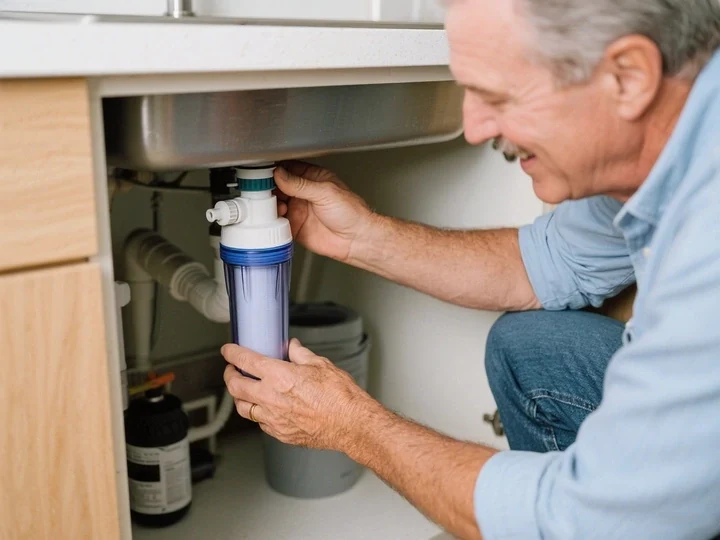
If your main concern is what you drink and cook with, point-of-use treatment may be enough. If mineral scale is affecting bathrooms, laundry, and appliances throughout the house, whole-home treatment could make more sense.
Household size matters, too. A system designed for two people may not be ideal for a family of six. Flow rate, peak demand, filter capacity, and installation space should all be considered.
It’s easy to focus on the equipment itself and forget about how it will behave on a busy Monday morning when everyone is showering, making breakfast, and running water at once.
Maintenance Is Part of Water Quality
Even a well-designed treatment system needs attention.
Filters need to be replaced on schedule. Softener systems require appropriate servicing and, depending on the design, salt or other consumables. Storage tanks, membranes, UV equipment, and other components may have their own maintenance requirements.
Skipping routine service can gradually reduce performance. In some cases, neglected equipment can become a source of problems rather than a solution.
When comparing systems, ask about maintenance before signing anything. A slightly more expensive system that is easy to maintain may be a better long-term choice than a bargain unit that becomes a headache.
Choose the Solution, Not the Sales Pitch
The best water-treatment decision usually begins with a simple conversation: What bothers you about your water, and what do you want to improve?
Maybe it’s mineral buildup. Maybe the water tastes unpleasant. Maybe you’re interested in an alkaline drinking system for a specific drinking preference. Whatever the reason, start with evidence rather than assumptions.
Test the water, understand the treatment technology, consider your household’s actual needs, and think about maintenance over the years—not just the installation day.
Water treatment doesn’t have to be complicated. When the equipment matches the problem, it can quietly improve everyday life in ways you notice without even realizing it. Cleaner-feeling showers, better-tasting drinks, fewer deposits on fixtures. Small changes, perhaps, but they add up. And that’s usually what good home improvement is all about.