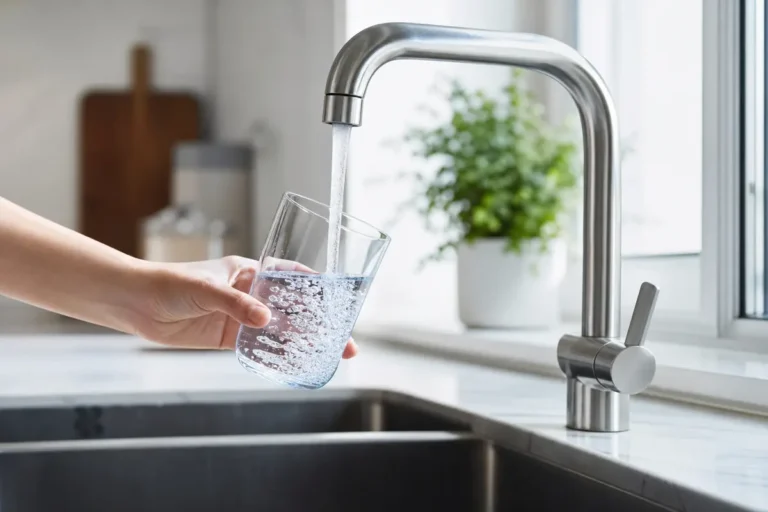
Water is one of those things we rarely think about until something feels off. Maybe the shower leaves a chalky film on the glass. Perhaps your clothes seem rough after washing, or the water has an odd taste that wasn’t there before. For many households, these small annoyances are signs that the water could use some attention.
The good news is that improving household water doesn’t always mean making complicated changes. The right treatment approach depends on what’s actually in the water, how much water your household uses, and what problems you’re trying to solve. A little testing and some professional guidance can make the process much easier.
Start With the Water, Not the Equipment
It’s tempting to start shopping for a filtration system as soon as you notice a problem. But water quality isn’t the same everywhere, even within the same community. Homes using private wells can have very different concerns from homes connected to a municipal supply.
Hardness, chlorine, sediment, iron, sulfur, and certain dissolved contaminants may all require different treatment methods. That’s why testing should usually come before choosing equipment. A basic water test can identify common issues, while more detailed laboratory testing may be appropriate when there are concerns about specific contaminants.
This is where professional water treatment solutions can be useful. Instead of simply recommending a standard product, a knowledgeable water specialist can look at the test results, household needs, plumbing setup, and desired water quality before suggesting an approach.
Hard Water Is More Than a Cosmetic Problem
Hard water is extremely common, and plenty of people simply live with it. Still, over time, the effects can become frustrating.
Minerals such as calcium and magnesium can leave scale on faucets, showerheads, appliances, and glass surfaces. Soap may not rinse as easily, either. Some people notice that their skin feels dry or their hair seems less manageable after showering.
For households dealing with these issues, water softeners can help reduce the minerals responsible for hardness. A properly sized system can make everyday cleaning easier and help limit scale buildup inside plumbing and water-using appliances.
Of course, bigger isn’t automatically better. A system that’s oversized for the home can be inefficient, while an undersized unit may struggle to keep up with demand. Household size, water consumption, hardness levels, and regeneration requirements all matter when selecting equipment.
When Drinking Water Quality Is the Main Concern
Softening and drinking-water filtration are not the same thing. A water softener is primarily designed to address hardness, while drinking-water treatment may focus on dissolved contaminants, taste, odor, or other specific concerns.
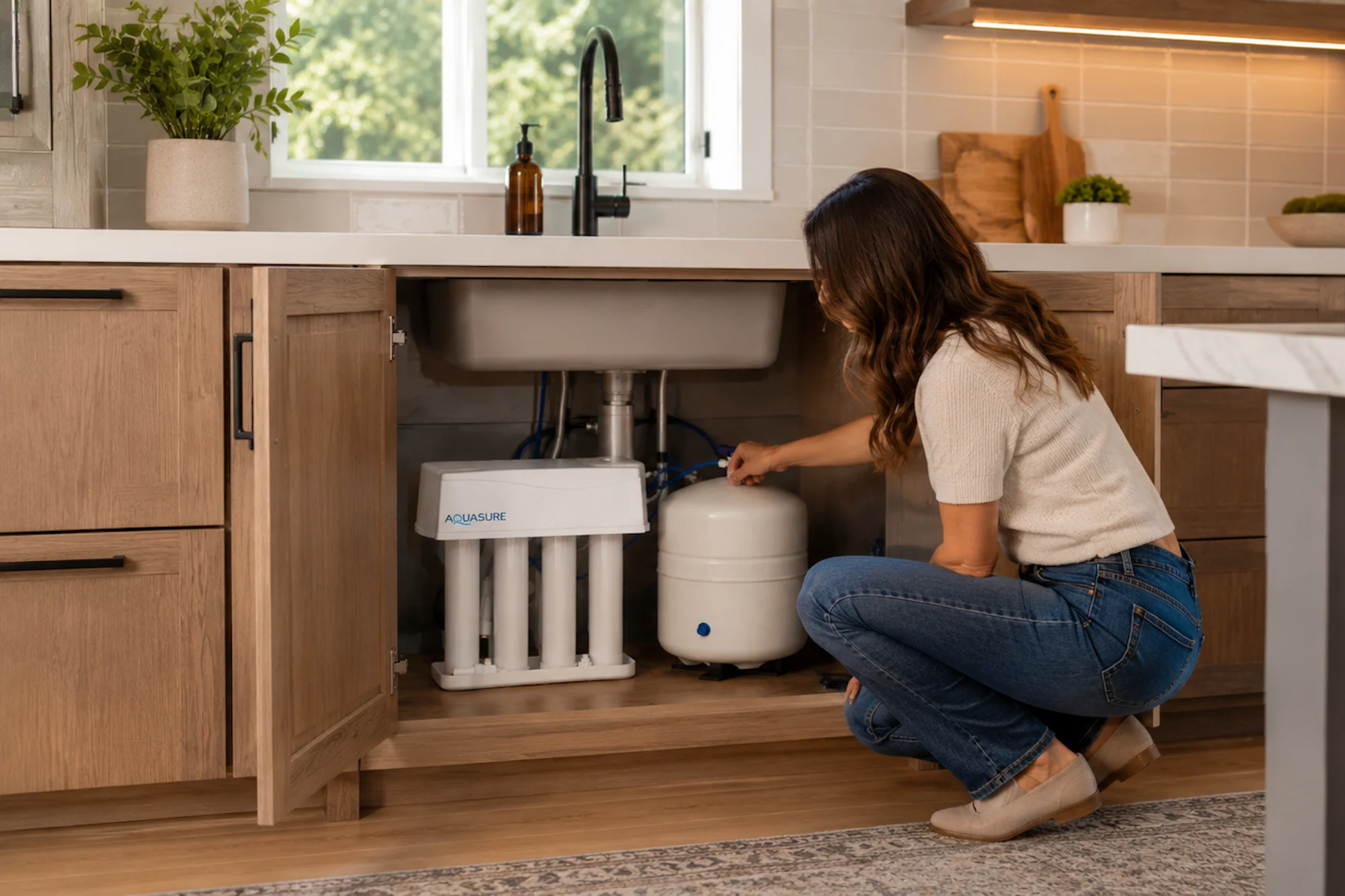
For people who want highly treated drinking and cooking water at a dedicated tap, reverse osmosis systems are one option worth considering. RO technology uses a semipermeable membrane to reduce many dissolved substances from water. Depending on the system and membrane, it can address a broad range of contaminants.
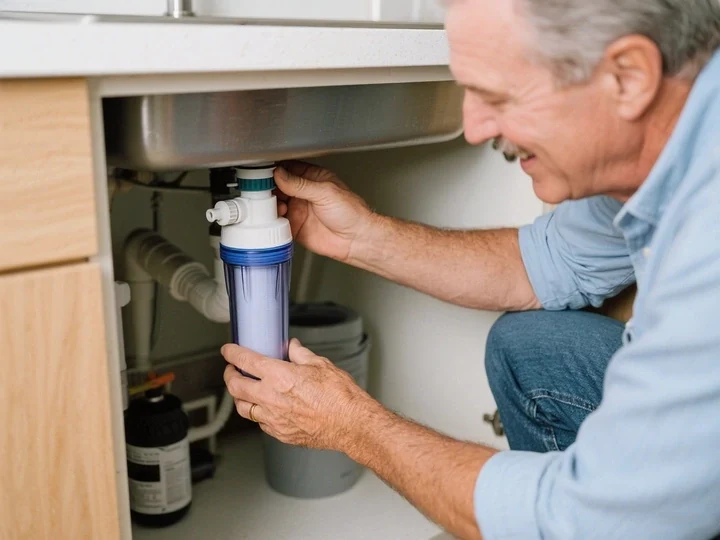
However, reverse osmosis isn’t necessarily the right answer for every home or every water problem. The system should be selected according to actual water chemistry and the manufacturer’s certified capabilities. Filter and membrane replacement also matters. Like most household equipment, an RO system works best when it’s maintained rather than forgotten under the sink.
Don’t Ignore Taste and Odor
Sometimes water can be technically acceptable but still unpleasant to use. Chlorine taste, sulfur odors, metallic flavors, or a musty smell can make people reach for bottled water even when there’s perfectly usable water coming from the tap.
Treatment for these concerns varies. Activated carbon filtration, oxidation, aeration, specialty media, and other technologies may be used depending on the cause. The important point is to identify the source before choosing the solution.
For example, a sulfur smell may indicate hydrogen sulfide, while a metallic taste could be related to iron, manganese, plumbing materials, or other factors. Treating the symptom without understanding the cause can turn into an expensive guessing game.
Well Water Deserves Extra Attention
Private well owners have a different responsibility because they don’t have a municipal utility routinely managing the water supply. Well water can contain naturally occurring minerals, sediment, bacteria, iron, manganese, sulfur compounds, or other contaminants depending on the local geology and conditions.
Regular testing is especially important after changes to the well, flooding, repairs, or other events that could affect water quality. If a test identifies a concern, the treatment system should be matched specifically to that issue.
It also helps to remember that water quality can change. A system that worked beautifully several years ago may need new filters, different media, repairs, or updated testing today.
Maintenance Is Part of the Treatment System
Buying a treatment system is only the beginning. Filters have to be replaced. Salt-based softeners need appropriate salt levels and occasional servicing. RO membranes have a limited service life. Control valves, tanks, pumps, and other components can also develop problems.
Ignoring maintenance doesn’t necessarily cause an immediate failure. That’s what makes it easy to overlook. Performance can gradually decline, and homeowners may not notice until water quality or flow has changed significantly.
A simple maintenance calendar can prevent many headaches. Keep track of filter replacement dates, water testing, salt usage, and professional inspections. It takes only a few minutes, but it can extend equipment life and keep the system performing consistently.
Think About the Whole Home
Another useful question is whether you need to treat all household water or only the water used for drinking and cooking.
Whole-home treatment can make sense when the concern affects bathing, laundry, fixtures, appliances, and general household use. Point-of-use treatment may be more practical when the primary concern is drinking water.
There’s no universal setup that works perfectly for every household. A family of two with moderately hard municipal water has different needs from a large household relying on a private well.
Better Water Is About More Than Convenience
Water treatment isn’t simply about making tap water taste nicer or keeping spots off the shower door. When properly selected and maintained, treatment equipment can support plumbing performance, reduce scale, improve certain water-quality characteristics, and make everyday household routines a little easier.
The smartest approach is surprisingly straightforward: test the water, understand the problem, choose treatment based on the results, and maintain the equipment afterward.
Good water treatment doesn’t need to be complicated. It just needs to fit the water coming into your home and the way your household actually uses it. When those two things line up, the difference can be noticeable in all the small moments people usually take for granted—from making coffee in the morning to taking a shower at night.