The kitchen has a funny way of exposing weaknesses in a home’s plumbing. One day, the water tastes slightly strange. The next, the sink drains slowly, or you’re standing at the counter waiting far too long for hot water. None of these things necessarily feels like an emergency, but together they can make an otherwise comfortable home surprisingly frustrating.
Modern plumbing equipment can solve many of these everyday annoyances. The trick is choosing equipment based on how your household actually uses water, rather than buying the newest thing simply because it looks impressive. Water quality, hot-water access, food waste, maintenance, available space, and installation requirements all deserve some thought.
Start With the Water You Actually Drink
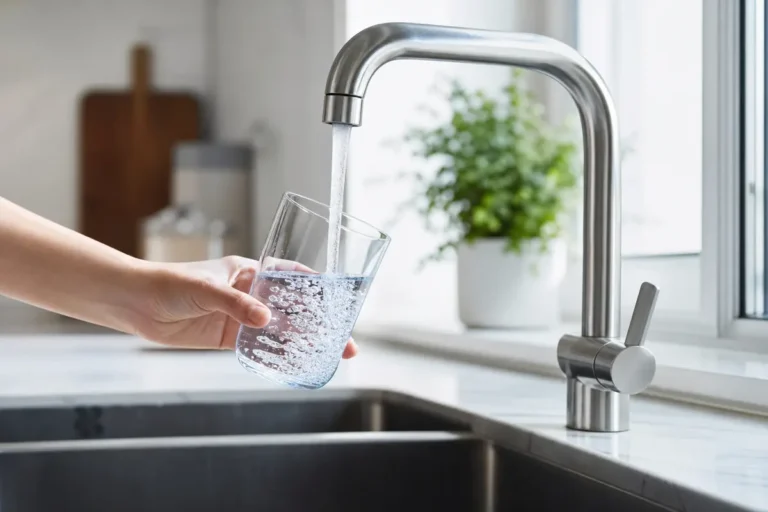
Water can look perfectly clear and still contain dissolved minerals, chlorine, or other substances that affect its taste and overall quality. If you’re unhappy with the water coming from your kitchen tap, the first step shouldn’t necessarily be buying a filtration system. It makes more sense to understand what’s in the water first.
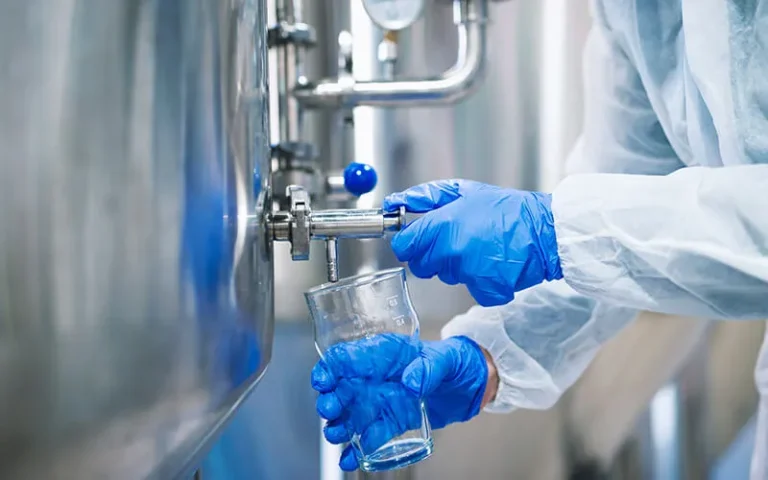
That may mean arranging a water-quality test. Once you know what you’re dealing with, you can choose treatment technology that addresses the actual issue instead of paying for features you don’t need.
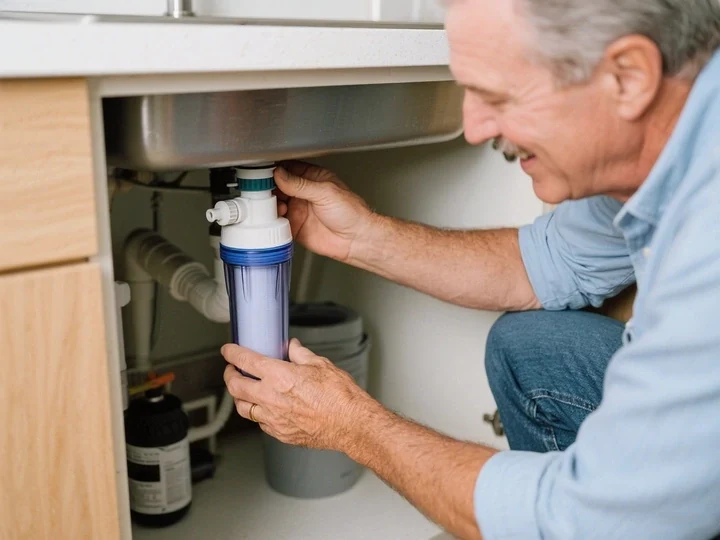
For households concerned about dissolved contaminants, reverse osmosis systems can be an effective option. These systems use a semipermeable membrane to reduce a broad range of impurities from treated water. They’re particularly popular for drinking and cooking because the treated water is usually delivered through a dedicated kitchen faucet.
Of course, reverse osmosis isn’t a magic solution for every water problem. Different systems have different filtration stages, capacities, maintenance requirements, and water-use characteristics. Choosing the right model matters just as much as choosing the technology itself.
Hot Water Shouldn’t Require a Waiting Game
There’s a certain point where waiting for hot water starts to feel ridiculous. You turn on the kitchen faucet, let it run, check it with your hand, and wait again. Meanwhile, perfectly usable water is disappearing down the drain.
This is particularly noticeable when the kitchen is located far from the water heater.
Compact point-of-use heaters can make a real difference in these situations. Insta-hots are designed to provide hot water close to where it’s needed, reducing the distance water has to travel from a central heater.
For someone who regularly washes dishes, prepares food, or needs hot water at a kitchen sink, that convenience can be surprisingly valuable. There’s less waiting and, depending on the setup, potentially less water wasted while waiting for the temperature to rise.
Still, installation deserves attention. Electrical requirements, flow rates, temperature settings, and placement all need to be considered. A professional can determine whether the unit fits safely with the home’s existing plumbing and electrical system.
Your Sink Has a Bigger Job Than You Think
The kitchen sink handles a lot. Food preparation, washing dishes, rinsing vegetables, cleaning cookware—the list goes on. It’s also one of the places where food scraps can easily end up where they shouldn’t.
That’s why garbage disposals can be useful in the right kitchen. They allow certain food waste to be ground into small particles before entering the drainage system, making cleanup faster and more convenient.
But disposals aren’t designed to swallow everything.
Grease, cooking oil, fibrous vegetable material, large bones, coffee grounds, and other unsuitable materials can cause problems. Even when something technically goes through the disposal, it doesn’t mean it belongs there.
Good habits make a difference. Run cold water when operating the unit, avoid overloading it, and don’t treat it as a substitute for a trash can or composting system. A little common sense goes a surprisingly long way.
Water Pressure Matters More Than People Realize
A sophisticated water-treatment system won’t feel very useful if the home’s water pressure is poor.
Low pressure can affect faucets, showers, appliances, and point-of-use equipment. Sometimes the cause is simple, such as a clogged aerator or partially closed valve. In other cases, the problem may involve old piping, a pressure-regulating valve, or the incoming water supply.
If pressure suddenly changes throughout the home, that’s worth investigating. A gradual decline can also indicate buildup or another developing plumbing issue.
Don’t automatically assume the treatment equipment is responsible. Plumbing systems are interconnected, and a problem somewhere else can make a perfectly good appliance appear to be the culprit.
Maintenance Is Part of the Deal
Modern plumbing equipment can make life easier, but none of it operates indefinitely without attention.
Filtration cartridges need replacement. Reverse osmosis membranes eventually require servicing. Small heaters need inspection. Garbage disposals can develop odors or mechanical problems if they’re neglected.
The maintenance schedule depends heavily on water quality and usage. A household that cooks constantly and uses its kitchen sink all day will naturally put more demand on its equipment than a small household with occasional use.
Keeping a simple maintenance calendar can help. Write down when filters were changed, when the system was serviced, and when unusual symptoms appeared. It sounds a little obsessive, perhaps, but future-you will appreciate it.
Don’t Let Convenience Replace Good Plumbing Habits
Technology works best when paired with sensible everyday behavior.
Avoid pouring grease down drains. Don’t flush inappropriate materials. Don’t ignore a dripping faucet for months. Clean faucet aerators when flow begins to weaken. Check underneath the sink occasionally for moisture or corrosion.
And if you notice a recurring issue, don’t keep treating the symptom.
For example, repeatedly clearing a slow kitchen drain may provide temporary relief, but it doesn’t necessarily address the reason the blockage keeps returning. Likewise, replacing a filter more frequently than expected could indicate that the incoming water has characteristics worth investigating.
Sometimes the best solution isn’t another replacement part. It’s figuring out what’s actually happening.
Choosing Equipment Without Overspending
It’s easy to get carried away when shopping for plumbing equipment. More filtration stages sound better. A larger capacity sounds safer. The most expensive model must surely be the best one, right?
Not necessarily.
The right equipment should match your home’s demand. Consider household size, water consumption, available installation space, maintenance requirements, operating costs, and the quality of your existing water.
A small household may not need a high-capacity commercial-grade treatment system. Likewise, a busy family may regret installing equipment that’s technically adequate but constantly operating at its limit.
Professional guidance can help narrow the choices without turning the process into a sales pitch.
Small Improvements Can Change the Feel of a Home
Good plumbing isn’t just about preventing leaks and keeping drains clear. It can make everyday routines smoother.
Cleaner-tasting drinking water can make you more comfortable filling a glass from the tap. Faster hot water can eliminate those irritating minutes spent waiting at the sink. A properly used disposal can simplify kitchen cleanup.
None of these upgrades is particularly glamorous. You probably won’t invite friends over to admire your filtration equipment. Yet these are the kinds of improvements you notice every single day.
The smartest approach is to look at the home as a complete system. Test the water, understand your household’s habits, check existing plumbing, and think about long-term maintenance before choosing new equipment. When the technology fits the home instead of the other way around, the result is usually quieter, easier, and much more useful in real life.