How to Start a Vegetable Garden at Home (Even Small Ones)
You’ve probably scrolled past a dozen photos of someone’s lush balcony tomato plants and thought, must be nice, I could never manage that. Here’s the thing — you probably could. Learning how to start a vegetable garden at home isn’t about having acres of land or a green thumb passed down from your grandmother. Most of it comes down to picking the right plants for your space and not overwatering everything into root rot, which, I’ll admit, is a mistake I made constantly in my first year. In 2026, with vegetable prices in most Indian cities creeping up steadily, even a small home setup growing your own coriander, chillies, and tomatoes pays for itself faster than you’d think.
I started with three pots on a north-facing balcony that barely got four hours of sun. Half of it failed. But the half that worked taught me more than any gardening blog did, and that’s really the point — you learn by doing, not by waiting for perfect conditions.
Figure Out What Space You’re Actually Working With
Quick answer: Before buying seeds or soil, assess your available sunlight, space, and container options. Most vegetables need at least 5-6 hours of direct sunlight daily, so a balcony, terrace, or windowsill with good light matters more than the size of the space itself.
A tiny sunny balcony will outperform a large shaded terrace every time. Sunlight is genuinely the biggest factor, more than space, more than soil quality even. Walk your balcony or terrace at different times of day and note where the sun actually falls, and for how long.
If you’re working with limited light, don’t despair — leafy greens like spinach and coriander tolerate partial shade far better than fruiting vegetables like tomatoes or chillies do.
Choose Vegetables That Actually Suit Beginners
Has this ever happened to you — buying an ambitious seed packet for something like cauliflower, only for it to just… not grow? Some vegetables are genuinely more forgiving than others, and starting with those builds both confidence and actual harvests.
Good beginner choices for Indian home gardens:
- Tomatoes — reliable, productive, and tolerant of minor care mistakes
- Coriander and mint — grow fast, need minimal space, and you’ll use them constantly in cooking
- Chillies — surprisingly low-maintenance once established, and a single plant produces for months
- Spinach and fenugreek (methi) — quick-growing leafy greens, ready to harvest in 3-4 weeks
Save the trickier vegetables like cauliflower or capsicum for after you’ve got a season or two of confidence behind you.
Setting Up Containers the Right Way
Quick answer: Containers for a home vegetable garden need proper drainage holes, a depth of at least 20-25 cm for most vegetables, and a good quality potting mix rather than plain garden soil, which tends to compact and drain poorly in pots.
Plain soil dug from outside compacts hard in containers and drains terribly. A proper potting mix — usually a blend of garden soil, compost, and coco peat or sand for drainage — costs around ₹150-250 for a decent-sized bag and makes a genuine difference to how well things grow.
Drainage holes are non-negotiable. Waterlogged roots are probably the single most common reason beginner container gardens fail, more than pests, more than sunlight issues even.
Watering — Less Is Often More
I’ll push back a bit on common advice here — a lot of first-time gardeners overwater out of anxiety, checking on plants daily and giving water “just in case.” That’s usually the wrong instinct. Stick your finger about 2-3 cm into the soil; if it’s still damp, skip watering that day.
Most container vegetables do best with a thorough watering every 1-2 days rather than a light sprinkle daily, which only wets the surface and encourages shallow root growth.
Composting — Don’t Skip This Step
Kitchen scraps like vegetable peels, eggshells, and tea leaves make excellent homemade compost, and using it cuts down significantly on needing to buy fertilizer. A simple compost bin, even a repurposed bucket with holes drilled in the sides, works fine for a small home setup.
Picture a household in Jaipur that started composting kitchen waste specifically to feed their balcony vegetable garden. Within two months, they’d cut their kitchen waste output nearly in half and had a steady supply of nutrient-rich compost, at no extra cost beyond the initial bin.
[link to related guide about composting at home for beginners here]
Dealing With Pests Without Harsh Chemicals
Aphids and small pests are almost inevitable at some point, but you don’t need aggressive pesticides for a small home garden. A diluted neem oil spray, mixed roughly one tablespoon per litre of water, handles most common pests effectively without harming beneficial insects or leaving residue on vegetables you’re about to eat.
Check plants every few days for early signs — curling leaves, small holes, sticky residue — since catching pest issues early makes them far easier to manage.
[link to related guide about organic pest control for home gardens here]
Building a Simple Planting Calendar
Different vegetables suit different seasons in India, and getting this timing right matters more than most beginners realize. Tomatoes and chillies generally do best planted just after monsoon or in early spring. Leafy greens like spinach and methi handle cooler months well and can be planted through winter in most regions.
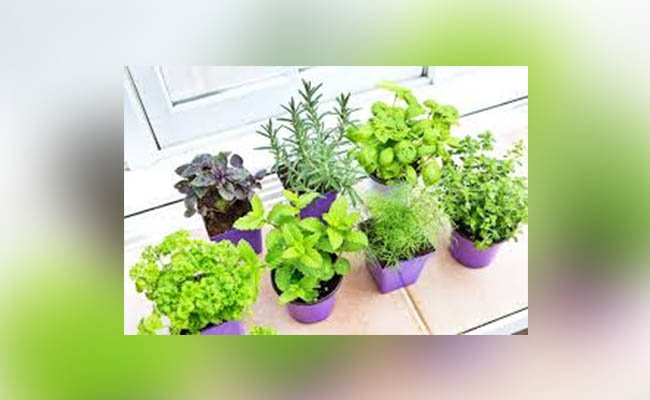
Suggested alt text: “Balcony vegetable garden with tomato and chilli plants in containers” Suggested alt text: “Homemade compost bin with kitchen scraps for a home vegetable garden” Suggested alt text: “Coriander and mint growing in small pots on a sunny windowsill”
FAQs
Do I need a lot of space to start a vegetable garden at home? Not at all. A sunny balcony, windowsill, or even a small terrace corner with 5-6 hours of direct sunlight is enough to grow a decent range of vegetables in containers.
What are the easiest vegetables for a beginner to grow? Tomatoes, coriander, mint, and chillies are generally the most forgiving, tolerating occasional care mistakes better than more finicky vegetables like cauliflower.
How often should I water my container vegetable garden? Every 1-2 days generally works, but check soil moisture with your finger first rather than watering on a fixed schedule, since needs vary with weather and season.
Can I use regular garden soil in containers? It’s not ideal. Regular soil compacts in pots and drains poorly, so a proper potting mix with compost and sand or coco peat works much better for container gardening.
Is composting really necessary to start a vegetable garden at home? Not strictly necessary, but it genuinely helps, reducing fertilizer costs and improving soil quality over time, plus it’s a good use for kitchen scraps you’d otherwise throw out.
What’s the best time of year to start a home vegetable garden in India? Just after monsoon or in early spring works well for most vegetables, though leafy greens like spinach and methi can be started through the cooler winter months too.
Conclusion
Starting a vegetable garden at home really comes down to a few basics done consistently — enough sunlight, decent containers with proper drainage, and watering based on what the soil actually needs rather than habit. Start small, with two or three forgiving vegetables like tomatoes or coriander, and expand once you’ve got a feel for what works in your specific space. Pick a sunny corner of your balcony or terrace this weekend, grab a couple of pots, and just get something in the soil. You’ll learn more from that first season than from any amount of reading.