How Often to Replace Your Roof (India-Specific Guide)
Every monsoon, that one damp patch on the ceiling reappears, a little bigger than last year. You patch it up, tell yourself it’s handled, and then the next rainy season proves you wrong again. At some point, the real question isn’t about another patch job — it’s how often to replace your roof entirely versus just maintaining what’s there. Now, this looks a bit different in India than it does in a lot of Western guides you’ll find online, since most Indian homes have flat RCC concrete roofs rather than shingled ones, and that changes the whole timeline. In 2026, with monsoon intensity varying more unpredictably year to year in several regions, knowing your roof’s actual condition matters more than following a generic replacement schedule.
I’ve dealt with this on my own terrace, patching a small leak for two straight years before finally accepting the whole waterproofing layer needed redoing, not just another quick fix. Should’ve done it a year earlier, honestly.
Understanding Roof Types Common in India
Quick answer: Most Indian homes have flat RCC (reinforced cement concrete) roofs, which don’t need full “replacement” the way shingle roofs do, but do require waterproofing membrane renewal typically every 8-12 years. Sloped tile or metal sheet roofs, more common in certain regions, follow different replacement timelines closer to 15-25 years.
This distinction matters a lot, because a lot of general roofing advice assumes a sloped, shingled roof, which isn’t the norm across most Indian cities. If you’ve got a flat concrete terrace roof, what you’re really managing is the waterproofing layer on top of the structural concrete, not the concrete itself, which can last decades if properly maintained.
Sloped roofs with clay tiles, metal sheets, or asbestos sheeting follow more traditional replacement cycles, closer to what you’d see discussed in international roofing guides.
Flat Concrete Roofs — What “Replacement” Actually Means
For the majority of Indian homes with flat concrete terraces, full structural replacement is rare and usually only needed after 40-50 years or due to specific structural damage. What actually needs periodic attention is the waterproofing layer, which degrades from UV exposure, temperature swings, and monsoon water sitting on the surface.
- Waterproofing membranes typically need renewal every 8-12 years, sometimes sooner in areas with heavy monsoon exposure
- Cracks in the concrete itself, if structural rather than surface-level, need professional assessment, not just resealing
- A terrace that consistently shows damp patches inside despite repeated waterproofing may indicate deeper structural cracking
Signs Your Roof Needs Attention Now, Not Later
Has this ever happened to you — ignoring a small ceiling stain because it’s “just cosmetic,” only for it to spread across an entire room by the next monsoon? That’s usually how these problems escalate, slowly and then suddenly.
Watch for:
- Recurring damp patches or water stains on ceilings, especially ones that reappear after painting over them
- Visible cracks on the terrace surface, particularly ones that seem to be widening
- Standing water on the terrace after rain that doesn’t drain within a day or two
- Peeling or bubbling paint on ceilings, a common early indicator of moisture getting through
Sloped and Tiled Roofs — A Different Timeline
Quick answer: Sloped roofs with clay tiles generally last 20-25 years before needing full replacement, while metal sheet roofing typically lasts 15-20 years depending on material quality and coastal exposure to salt air, which accelerates corrosion significantly.
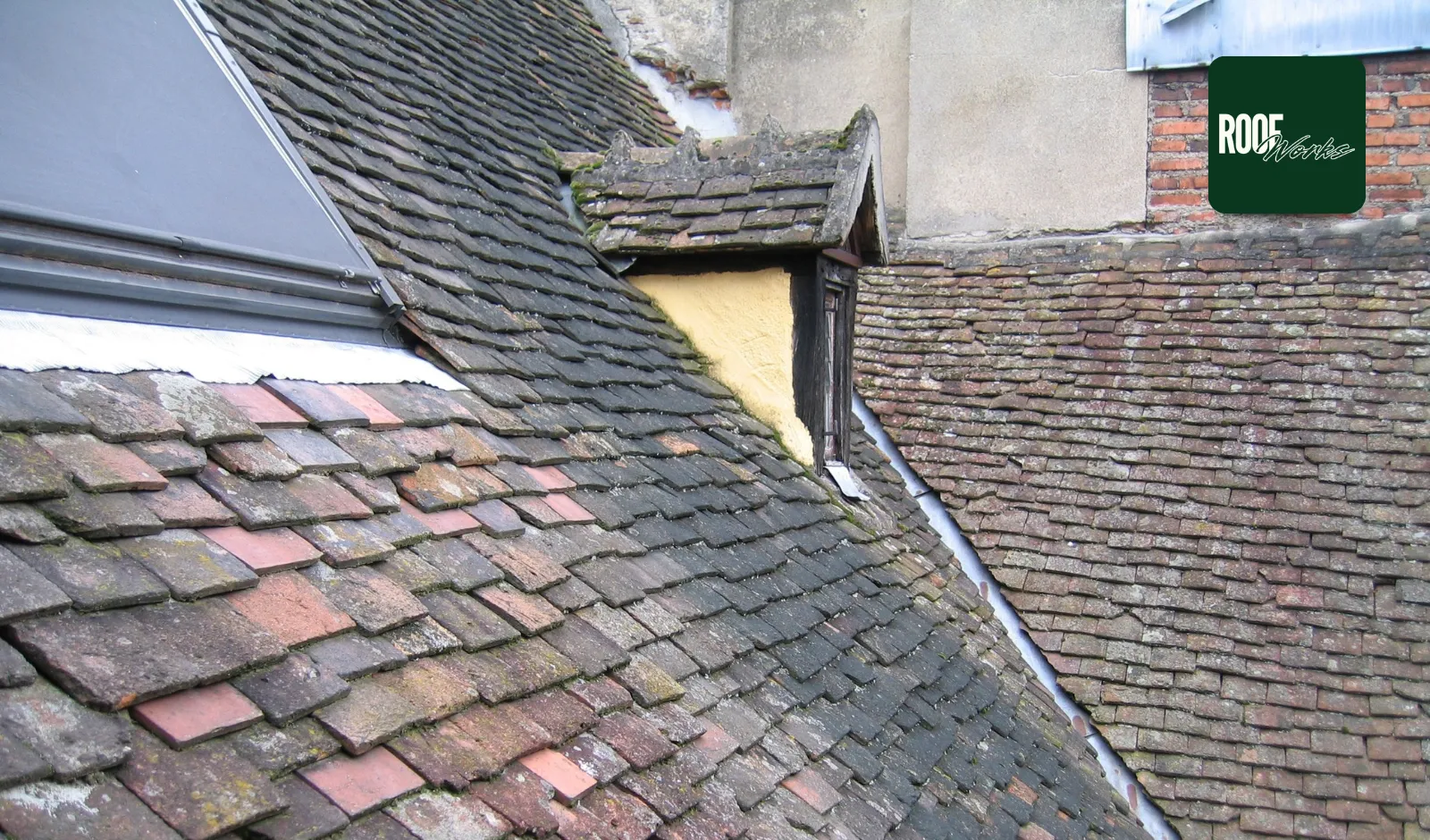
If you’re in a region with more traditional sloped or tiled roofing — common in parts of Kerala, hill areas, and some heritage-style homes — individual tiles can be replaced as they crack without redoing the entire roof, which is one advantage over concrete waterproofing systems.
Metal sheet roofs, common for outbuildings, garages, and some rural homes, corrode faster in coastal or high-humidity areas, so factor location into your expected timeline rather than relying on a single generic number.
Climate and Location Change Everything
I’d argue this is the single biggest factor most generic roofing guides completely ignore. A flat concrete roof in a coastal city dealing with high humidity and salt air will show waterproofing wear noticeably faster than the same roof in a drier inland region.
Picture two identical homes, one in a coastal city and one further inland — the coastal home’s waterproofing might need renewal at the 6-7 year mark, while the inland one comfortably stretches past 10 years before showing similar wear. Same materials, same installation quality, very different climate exposure.
[link to related guide about terrace waterproofing costs and methods here]
Cost of Roof Maintenance vs Full Waterproofing Redo
Patching a small leak costs relatively little, often a few thousand rupees for a localized repair. A full waterproofing redo for an average-sized terrace, though, typically runs anywhere from ₹40,000 to ₹1,00,000 depending on size, material quality, and whether structural cracks need addressing first.
The honest math here — if you’re patching the same spot more than twice in a couple of years, you’re likely spending close to what a proper full redo would’ve cost anyway, just spread out and with continued leak risk in between.
[link to related guide about home repair budgeting here]
Regular Inspection Beats Reactive Repairs
Walking your terrace every few months, especially right before and after monsoon season, catches small issues while they’re still cheap fixes. Waiting until water is visibly coming through the ceiling means you’re now dealing with both the roof problem and any interior damage it’s caused along the way.
Suggested alt text: “Cracked waterproofing membrane on a flat concrete terrace roof” Suggested alt text: “Worker applying new waterproofing coating before monsoon season” Suggested alt text: “Water stains on a ceiling indicating roof leak damage”
FAQs
How often should a flat concrete roof be waterproofed in India? Generally every 8-12 years, though homes in coastal or heavy monsoon regions often need renewal closer to the 6-8 year mark due to increased exposure.
Do I need to replace my entire roof, or just the waterproofing layer? For most flat concrete roofs, it’s the waterproofing layer that needs periodic renewal, not the structural concrete itself, which typically lasts several decades if undamaged.
How long do sloped tile roofs last compared to concrete terraces? Tile roofs generally last 20-25 years before needing full replacement, though individual damaged tiles can be replaced as needed without redoing the whole roof.
What’s the biggest sign that waterproofing needs urgent attention? Recurring ceiling stains that reappear after repainting, combined with standing water on the terrace after rain, are the clearest signs the waterproofing layer has failed.
Does coastal location really affect how often to replace roof waterproofing? Yes, significantly. Salt air and higher humidity accelerate wear on both concrete waterproofing and metal roofing materials compared to drier inland regions.
Is it cheaper to patch leaks repeatedly or do a full waterproofing redo? Patching works for genuinely isolated, minor issues, but repeated patching of the same area often ends up costing close to what a full redo would, while leak risk continues in the meantime.
Conclusion
For most Indian homes, the real question of how often to replace your roof comes down to waterproofing renewal rather than full structural replacement, typically every 8-12 years depending on your climate and monsoon exposure. Watch for recurring stains, standing water, and widening cracks as your clearest signals that it’s time to act, rather than waiting for a full ceiling leak to force the issue. Walk your terrace this week, ideally right after the next rain, and take an honest look at whether you’re due for a proper redo rather than another temporary patch.