Most people don’t spend much time thinking about their water. It comes out of the tap, the shower gets hot, the washing machine fills, and that’s usually the end of the story. Until, of course, something changes.
Maybe there’s a faint metallic taste in a glass of water. Perhaps the shower doors seem to collect white spots overnight, or the kettle develops a crusty layer that wasn’t there a few months ago. These little signs can be easy to dismiss, but they may point toward characteristics of the water that deserve a closer look.
Choosing a water treatment system isn’t really about buying the most impressive piece of equipment. It’s about understanding what your water needs and choosing a solution that fits your home, your habits, and your budget without making things unnecessarily complicated.
Every Water Supply Has Its Own Personality
Water can look perfectly clear and still contain minerals or other substances that affect taste, plumbing, fixtures, or appliances. Hardness, sediment, iron, chlorine, pH, and dissolved solids are just a few of the factors that can influence water quality.
That’s why one neighbor may swear by a particular treatment system while another finds it doesn’t solve their biggest concern. Their water may simply be different.
Testing the water is a sensible place to begin. A professional analysis can reveal what you’re dealing with instead of leaving you to judge everything by taste or appearance. Once those details are known, choosing equipment becomes a much more informed process.
Sometimes the Problem Is Smaller Than You Think
Not every water concern requires a whole collection of equipment.
If the main complaint involves drinking and cooking water, for instance, treating the water at specific points may be enough. There’s little reason to process every gallon used for toilets, showers, and outdoor cleaning if the concern is limited to what your family consumes.
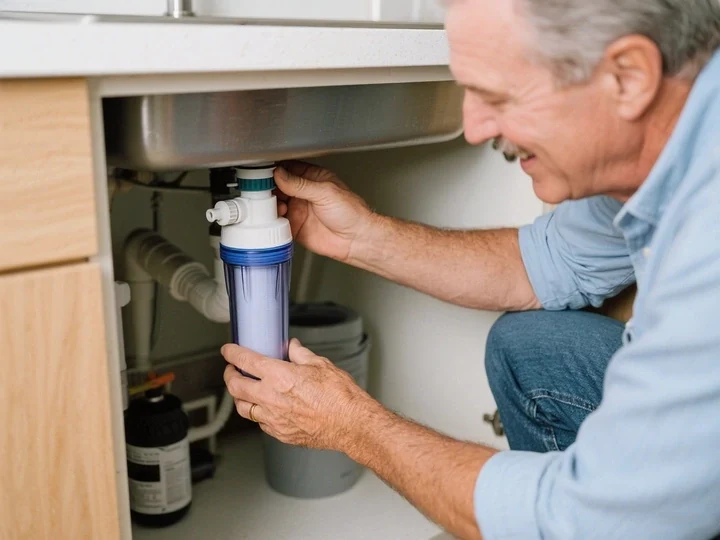
This is where drinking water systems can be useful. Depending on the water analysis and the desired result, options can include under-sink filtration, reverse osmosis, or other point-of-use technologies.
The best setup isn’t necessarily the one with the most stages or the fanciest control panel. It’s the one that addresses the actual concern and remains practical to use.
When a Basic Filter Isn’t Enough
Some water issues require a more targeted approach.
Sediment, for example, can often be handled with appropriate mechanical filtration. Hard water is a different matter because hardness minerals can pass through many ordinary filters. Iron or odor problems may require yet another type of treatment.
In these situations, specialized filtration may be worth considering. The technology can be selected around a particular contaminant or water characteristic rather than trying to force one general-purpose filter to handle everything.
That distinction is important. Water treatment works best when each component has a clear job. A sediment filter shouldn’t be expected to soften water, and a softener shouldn’t be treated as a universal purifier.
Whole-House Treatment Can Make Daily Life Easier
For some households, the issue isn’t limited to drinking water.
If hard water is affecting showers, faucets, laundry, appliances, and water heaters throughout the property, treating only one tap won’t solve the bigger problem. In that case, a system designed to address water as it enters the home may be more practical.
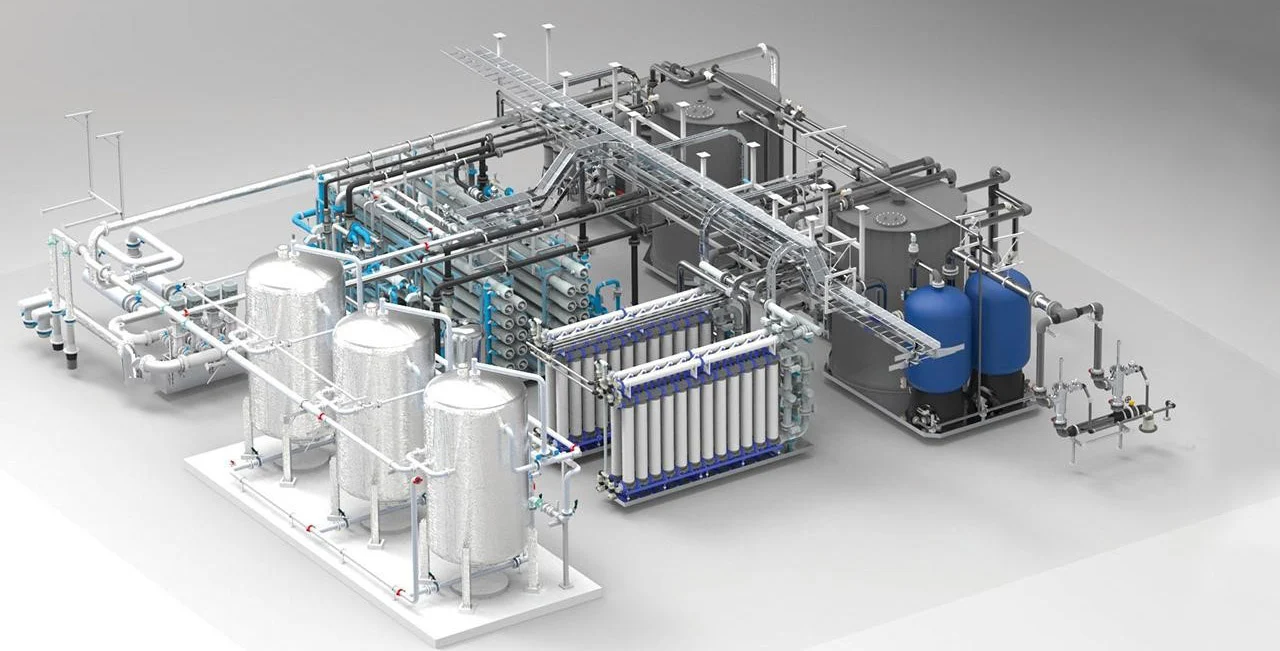
A properly selected whole-home treatment setup can provide consistent treatment across multiple points of use. Depending on the water conditions, it might combine filtration, softening, or other technologies.
The advantage is convenience. You don’t have to remember which tap has filtered water or worry about untreated water flowing through the rest of the plumbing.
Pay Attention to Water Pressure
Water quality gets most of the attention, but pressure matters too.
Treatment equipment can affect flow, particularly when filters become clogged or when a system hasn’t been sized correctly for the property’s demand. A sudden drop in pressure shouldn’t automatically be blamed on the treatment system, though. Plumbing restrictions, valves, leaks, and other components can also be responsible.
Before replacing equipment, it’s worth finding out what’s actually causing the change.
A good installation takes household usage into account. A couple living in a small home has a very different water-demand pattern from a large family with multiple bathrooms, a washing machine, and several showers running throughout the day.
Don’t Choose Equipment Based Only on Price
The cheapest option can look attractive on paper. But the initial price is only one part of the equation.
Consider replacement filters, salt or other consumables, electricity, service requirements, water waste where applicable, and the expected lifespan of the equipment. A slightly more expensive system may prove more economical if it lasts longer or requires less frequent attention.
There is also the cost of inconvenience.
Nobody wants to discover that a system needs a specialty replacement part every few months or that routine servicing has become difficult to arrange. Reliable support matters, especially when the treatment equipment is an important part of the household’s daily routine.
Maintenance Keeps the System Honest
Even excellent equipment needs some attention.
Filters eventually fill with material. Softener settings may need adjustment. Reverse osmosis components have service intervals. Connections and tanks can also benefit from periodic inspection.
It’s not glamorous work, admittedly, but maintenance can prevent small problems from turning into expensive ones.
A useful habit is to keep a simple record of filter changes, inspections, and noticeable water-quality changes. If something starts behaving differently, you’ll have a much clearer idea of when the change began.
And if you’re unsure about servicing requirements, ask the installer. A reputable professional should be able to explain what needs to be done and how often.
Think About the Future, Not Just Today
Your water needs can change.
A family might grow. A home renovation could add another bathroom. New appliances may increase water demand. You might even become more concerned about drinking-water quality after learning something new about your local supply.
That’s why system capacity and flexibility are worth considering from the beginning.
It doesn’t mean buying a system far larger than necessary. Oversizing can be wasteful too. Instead, look for equipment that makes sense for current needs while leaving reasonable room for future changes.
Good Treatment Should Feel Almost Boring
The best water treatment system isn’t necessarily the one you notice every day. Ideally, it works quietly in the background.
You turn on the tap and get water that tastes good. You clean the bathroom without constantly fighting mineral deposits. Your appliances aren’t accumulating scale as quickly. Filters are changed on schedule, and the system keeps doing what it was installed to do.
That kind of reliability comes from making sensible decisions at the beginning.
Understand your water. Identify the real problem. Choose treatment technology for a specific reason, and don’t overlook installation or maintenance. There’s no need to make water treatment more complicated than it already is.
Sometimes the smartest solution is simply the one that fits your home so well that, after a while, you barely think about it at all.