Essential Home Improvement Tools Every Homeowner Needs
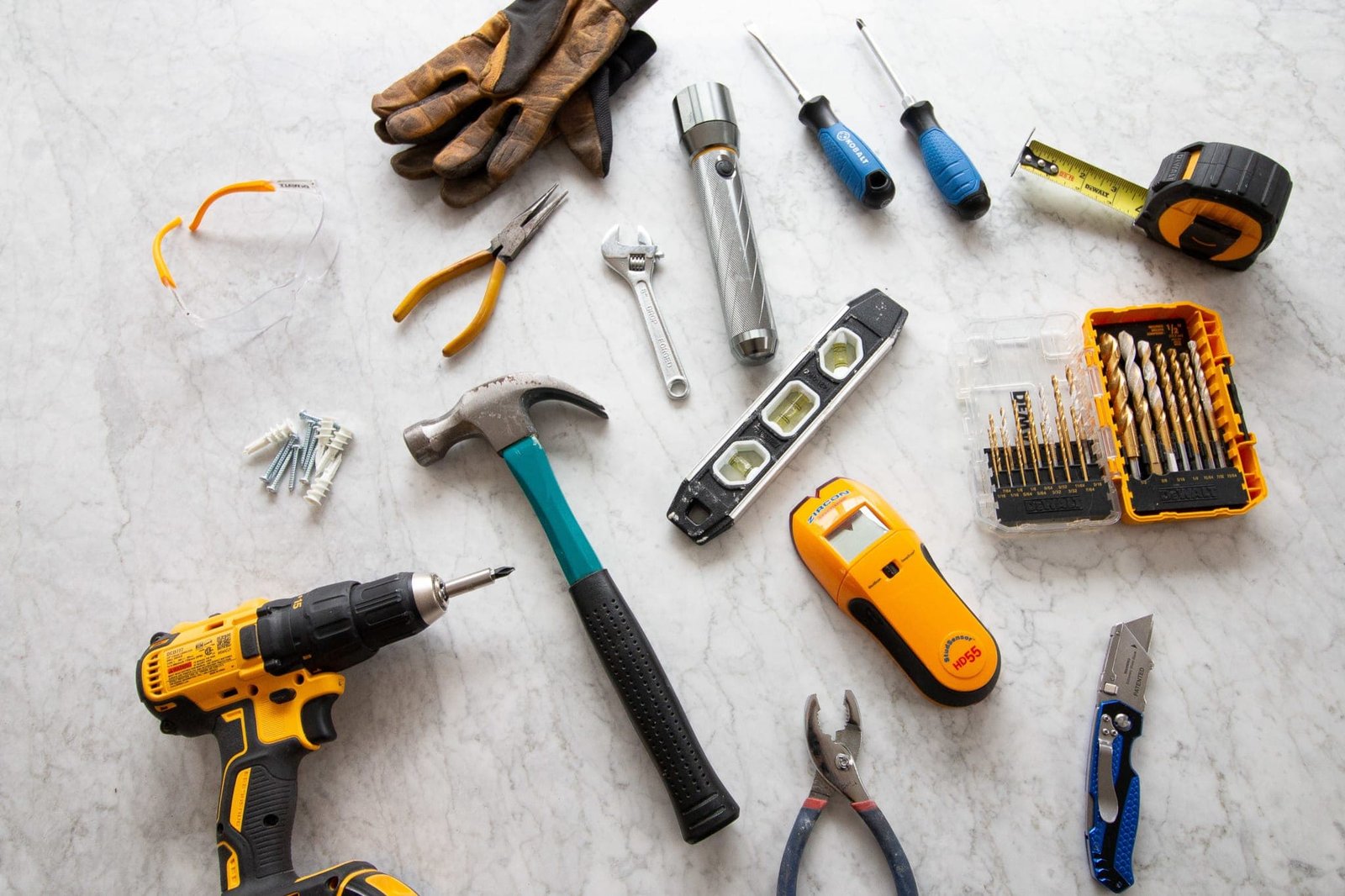
There’s always that one moment — a picture frame needs hanging, a cabinet hinge comes loose, a curtain rod falls off the wall at 9pm on a Tuesday — and you realize you own exactly zero tools to deal with it. Sound familiar? Building a basic kit of essential home improvement tools isn’t about turning your balcony into a workshop. It’s about not having to call someone (or borrow from a neighbor) every single time something small breaks. In 2026, with so many tool brands and combo kits flooding the market, the real challenge isn’t finding tools — it’s figuring out which ones you’ll actually use.
I’ll be honest, I bought a laser level once thinking I’d need it constantly. Used it twice in four years. Meanwhile my basic screwdriver set gets used almost weekly. That’s the lesson here — start with what solves real, recurring problems.
The Absolute Basics — Don’t Skip These
Quick answer: Every home needs a hammer, a screwdriver set, a tape measure, a utility knife, and pliers at minimum. These five essential home improvement tools handle the vast majority of small repairs without any specialized skill required.
If you buy nothing else, buy these five. A claw hammer for the obvious stuff — nails, picture hooks, occasionally prying something loose. A screwdriver set, ideally with interchangeable heads so you’re not stuck when you hit a Philips screw and only own flatheads. A tape measure, at least 5 meters, because “eyeballing it” has ruined more furniture placements than I can count.
Add a utility knife for opening packages and trimming things, and a pair of pliers for gripping and bending. None of this is expensive — a decent starter set from a local hardware shop in India runs somewhere around ₹800-1500, and it’ll outlast the cheap plastic-handled stuff by years.
A Good Drill Changes Everything
Once you’ve got the basics down, a cordless drill is probably the single biggest upgrade to your capability. Hanging shelves, assembling furniture, mounting curtain rods — all of it gets faster and less painful.
Don’t overspend here. You don’t need a professional-grade drill for home use. A mid-range cordless model with a couple of battery packs does the job fine. Look for one with adjustable torque settings, so you’re not stripping screws on softer wood or plasterboard.
Measuring and Marking Tools Matter More Than People Think
This is the category people skimp on, and it shows. A crooked shelf or a picture frame hung at a slight tilt — both usually trace back to skipping a level or measuring carelessly.
Worth having:
- A spirit level, even a small 30cm one, for anything mounted on a wall
- A carpenter’s pencil or chalk line for marking straight cuts or drill points
- A stud finder, if your walls are drywall rather than brick — genuinely useful, genuinely underrated
Tools for Electrical and Plumbing Basics
Quick answer: A voltage tester, an adjustable wrench, and a plunger cover most minor electrical and plumbing issues homeowners face — flickering switches, a leaking tap, or a clogged drain — without needing to call a professional for every small fix.
Not every repair needs an electrician or plumber, and I’d argue Indian homeowners often call one too fast for things that take five minutes. A non-contact voltage tester tells you if a wire’s live before you touch it — cheap, and honestly should be mandatory in every home. An adjustable wrench handles most tap and pipe fittings. And a plunger, well, you know when you need it, and you really don’t want to be shopping for one at that exact moment.
Don’t Forget Safety Gear
People treat safety gear as optional, and that’s a mistake I’ve seen backfire more than once. Safety glasses cost next to nothing and protect against the one flying wood chip or metal shaving that ends a DIY afternoon in an ER visit instead. Work gloves too — especially if you’re handling anything with sharp edges or doing yard work.
Storage Matters as Much as the Tools Themselves
A toolbox or a wall-mounted pegboard keeps everything findable, and trust me, a tool you can’t find when you need it might as well not exist. I switched to a pegboard setup a couple of years back and it’s cut my “where did I put that” moments down to almost nothing.
[link to related guide about organizing a home workshop here]
Tools Worth Renting Instead of Buying
Not everything belongs in your permanent essential home improvement tools kit. Things like a tile cutter, a heavy-duty drill for masonry work, or a paint sprayer — these get used once every few years for most homeowners. Renting from a local tool library or hardware shop for a day or two almost always works out cheaper than owning something that sits idle 360 days a year.
[link to related guide about tool rental vs buying in India here]
Building Your Kit on a Budget
You don’t need to buy everything at once. Picture someone just moving into their first flat in Jaipur — furnishing costs are already high enough without adding a full tool chest to the list. Start with the basic five, add a drill within the first few months, and build out from there as actual needs come up. Buying reactively, as problems appear, often teaches you more about what you’ll genuinely use than buying a 200-piece kit upfront.
[link to related guide about first-time homeowner essentials here]
Suggested alt text: “Basic home improvement toolkit including hammer, screwdrivers, and tape measure on a wooden table” Suggested alt text: “Cordless drill being used to mount a wall shelf at home” Suggested alt text: “Wall-mounted pegboard organizing essential home improvement tools in a garage”
FAQs
What’s the minimum toolkit every homeowner should have? A hammer, screwdriver set, tape measure, utility knife, and pliers. These five essential home improvement tools cover most everyday repairs without needing anything specialized.
Is a cordless drill really necessary, or can I get by without one? You can survive without one, sure, but it makes so many small jobs faster and easier that most homeowners end up buying one within their first year anyway. Worth getting sooner rather than later.
How much should I expect to spend on a basic tool kit in India? A decent starter set typically runs ₹800-2000 depending on brand and quality. Adding a mid-range cordless drill adds another ₹3000-6000 on top of that.
Should I buy a full tool kit or individual tools? Individual tools usually give better quality for the price, but a basic combo kit is fine for getting started if you’re not sure yet what you’ll use most.
Do I need power tools if I’m not planning big renovations? Not really, no. A drill covers most casual needs. Bigger power tools like sanders or saws are better rented for the rare project that actually needs them.
What tools are most often forgotten by first-time homeowners? Safety gear, honestly. Glasses and gloves rarely make anyone’s shopping list, but they’re the ones you’ll wish you had the moment something goes wrong.
Conclusion
You don’t need a garage full of equipment to handle life’s small home repairs. Start with the basics — hammer, screwdrivers, tape measure, pliers, utility knife — add a cordless drill once you’re comfortable, and build the rest of your essential home improvement tools collection as real needs come up rather than all at once. Take stock of what’s actually breaking or needing fixing in your home right now, and buy for that first. The next time something falls off the wall at 9pm, you’ll be glad you did.