You notice water in strange ways. A glass left on the counter develops a faint ring. The kettle collects white scale. Maybe there’s an odd smell when you first turn on the shower, or the water simply doesn’t taste as fresh as it used to. None of these things necessarily means there’s a serious problem, but they’re worth paying attention to.
Water quality is rarely identical from one home to the next. Even properties sharing the same street can have different plumbing, sources, mineral levels, or treatment needs. That’s why choosing a filtration system based on a neighbor’s recommendation or an online review isn’t always the smartest move.
The better approach is simple: understand your water first, then choose a solution that makes sense for your home.
Start With Testing, Not Guesswork
Water can contain substances that you can’t see, smell, or taste. Hardness, pH, iron, manganese, sediment, chlorine, nitrates, and microbial contaminants are just some of the factors that may affect water quality.
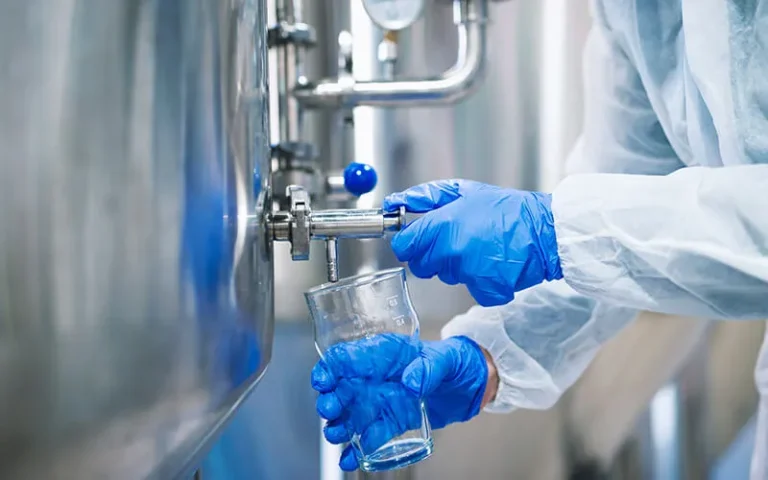
A proper water testing & analysis process helps turn vague concerns into useful information. Instead of saying, “The water tastes funny,” you can determine whether there is an identifiable issue that needs treatment.
Testing can also prevent unnecessary spending. If your water doesn’t have a particular problem, there may be no reason to install equipment designed to solve it. That sounds obvious, but it’s surprisingly easy to buy a complicated system simply because the sales brochure makes every feature sound essential.
For private wells, testing can be especially important because water conditions can change over time. Testing after flooding, well repairs, noticeable changes in taste or odor, or other significant events can help identify problems before they become harder to manage.
Look at the Source and the Plumbing
Water quality isn’t determined only by what’s underground or inside a municipal supply. The plumbing that carries water through your home can affect what eventually comes out of the faucet.
Older pipes may contribute sediment or metallic tastes. A neglected water heater can create its own issues. Well equipment, pressure tanks, storage systems, and other components can also influence water performance.
This is why a good assessment considers the whole system. Treating the water without understanding the plumbing is a bit like treating a symptom while ignoring what caused it.
Sometimes the fix is surprisingly simple. Other times, several treatment stages are needed. The important thing is knowing which situation you’re dealing with.
Choosing the Right Treatment Technology
Once you understand the water, treatment options become much easier to compare.
Sediment filters are useful for removing particles such as sand, silt, and other suspended material. Carbon filters can improve taste and odor and reduce certain chemicals. Water softeners are commonly used to address hardness caused by calcium and magnesium.
Reverse osmosis is another option, particularly where reducing dissolved substances in drinking water is a priority. Ultraviolet treatment may be considered for certain microbial concerns, especially in private-well applications.
None of these technologies is universally “the best.” Each has a job.
That distinction matters because installing the wrong system can create frustration. A filter designed primarily for sediment isn’t going to solve every dissolved contaminant problem, and a softener isn’t a substitute for every type of filtration.
Installation Matters More Than Many People Realize
Buying quality equipment is only part of the equation. The system has to be installed correctly and integrated into the home’s plumbing without creating new headaches.
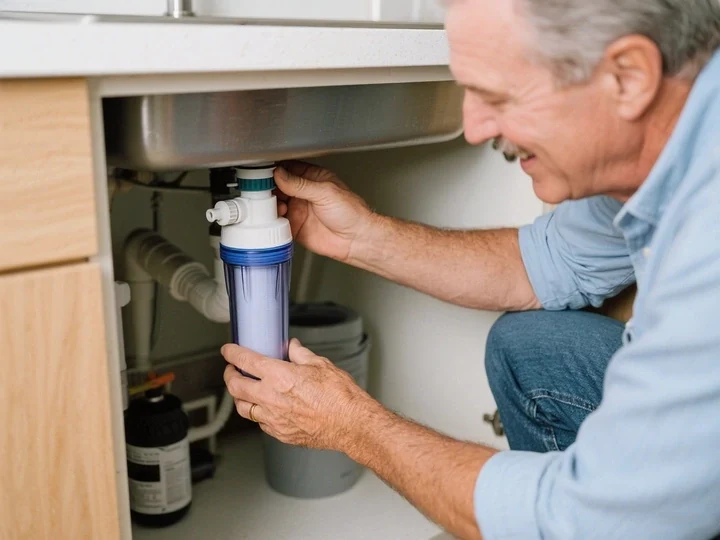
Professional water system installation takes factors such as available space, water pressure, flow rate, pipe configuration, drainage, electrical requirements, and future maintenance into account.
Sizing is particularly important. A system that’s too small may struggle when several fixtures are operating at once. An oversized system can cost more than necessary and may not operate as efficiently as expected.
Installation should also leave enough room to service filters, valves, tanks, and other components. A treatment system tucked into an impossible-to-reach corner might look neat on installation day, but six months later, changing a filter can become an unnecessarily awkward job.
Good installation is quiet craftsmanship. When it’s done properly, you shouldn’t have to think about it much.
Don’t Treat Every Drop of Water the Same
One of the most useful ideas in modern water treatment is that different water uses can have different requirements.
You may want softer water for showers and laundry but highly filtered water specifically for drinking and cooking. Treating every gallon to the same degree isn’t always practical or necessary.
Point-of-use systems can address this distinction. A kitchen filtration system, for example, can provide an additional treatment stage for water used for drinking while allowing the broader household system to focus on hardness, sediment, or other concerns.
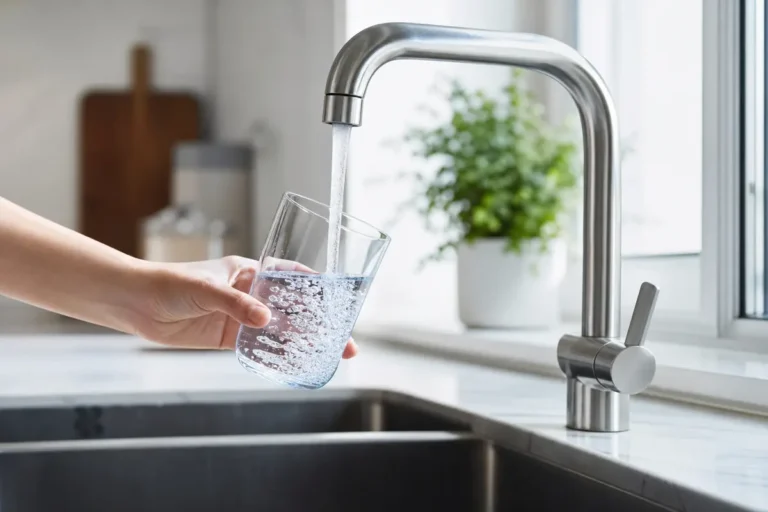
For families who want an extra layer of treatment at the kitchen sink, drinking water filtration can be a practical option. It can also reduce reliance on bottled water, which means fewer plastic containers piling up and fewer heavy cases to carry home.
Think About Maintenance Before You Buy
Every treatment system has a maintenance story.
Filters need replacement. Softener systems may require salt or other routine attention. Reverse osmosis membranes eventually need changing. Ultraviolet systems have components that require periodic service.
Ask about those requirements before choosing equipment. A system that looks inexpensive upfront can become less attractive if replacement parts are difficult to find or maintenance is unusually complicated.
It’s worth keeping a simple service record, too. Note filter-change dates, testing results, repairs, and other maintenance. This small habit can help you recognize changes in performance.
If a filter that normally lasts six months suddenly clogs in six weeks, that’s useful information. It may indicate a change in the water source or another issue that deserves investigation.
Pay Attention to Changes
Your water can give you clues.
A sudden metallic taste, unusual odor, staining, cloudiness, reduced pressure, or rapid filter clogging shouldn’t automatically be dismissed as “just hard water.” Changes can happen for many reasons.
If you notice something different, start with observation. When did it begin? Is it happening at every faucet? Does it occur only with hot water? Has there been recent plumbing work, heavy rain, flooding, or maintenance on the well?
Those details can help narrow the possibilities considerably.
Good Water Treatment Is Personal
There’s no universal package that every homeowner needs. The right setup depends on the source, test results, household size, plumbing, water-use habits, and the problems you actually want to solve.
That may mean a relatively simple filter. It may mean a softener combined with additional treatment. In some homes, a dedicated drinking-water system makes more sense than treating the entire house.
The point is to make decisions based on evidence instead of marketing promises.
Water is easy to take for granted because it is always there. But when it starts leaving spots on your glasses, changing the taste of your coffee, or causing problems with appliances, you suddenly realize how much everyday life depends on it.
A thoughtful water-treatment plan doesn’t need to be complicated. Test the water, understand the source, choose technology for a specific reason, install it properly, and keep up with maintenance. Do those things well, and better water becomes less of a project and more of a quiet part of a comfortable home.