A well-kept property doesn’t necessarily look brand new. In fact, some of the most comfortable homes and useful commercial spaces have a little age showing. What matters is whether the building works the way it should, feels safe, and continues to suit the people using it.
That takes attention over time. Paint gets tired. Fixtures wear out. Floors take a beating. Kitchens and bathrooms eventually stop matching the way a family lives. In a business setting, changing customers, technology, and staff needs can make an once-perfect layout feel strangely inconvenient.
Good property care is less about constantly changing things and more about knowing when a change is worth making.
Start With the Things You Notice Every Day
Some improvement opportunities are hiding in plain sight. Maybe a hallway light flickers, a cabinet door no longer closes properly, or the front entrance has become difficult to use. These aren’t dramatic problems, but they affect the experience of a home or workplace every single day.
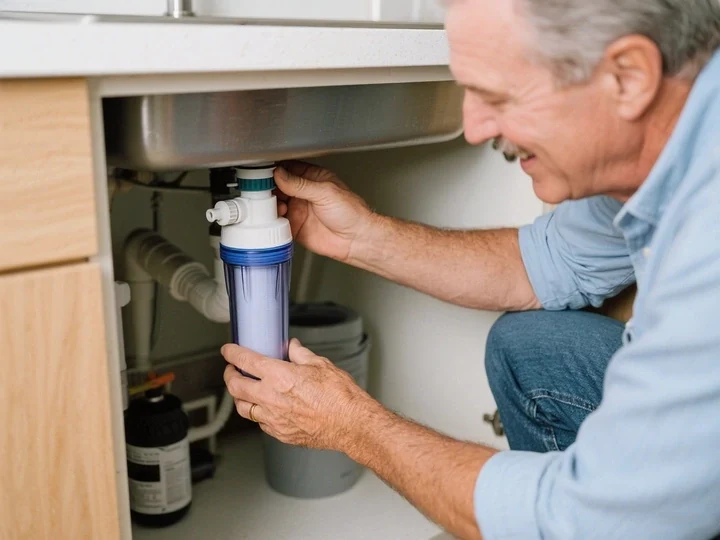
Regular maintenance helps catch these issues before they become expensive repairs. It also gives property owners a better understanding of how their building is aging. A small plumbing problem addressed early is usually far less disruptive than dealing with water damage later.
There’s a practical side to this, too. Keeping a simple record of repairs, inspections, replacements, and upgrades can make future decisions easier. You don’t have to become obsessed with spreadsheets. Even a basic maintenance log can be surprisingly useful.
Improvements Should Solve Real Problems
When people hear the word “upgrade,” they sometimes imagine expensive finishes and dramatic renovations. Those can be worthwhile, but they’re not always the smartest investment.
A better starting question is: What isn’t working well right now?
Perhaps the kitchen has nowhere sensible to store appliances. Maybe an office has poor lighting and too few electrical outlets. A retail space may have an entrance that creates awkward customer flow. These are functional problems, and solving them can have a bigger impact than simply making a room look fashionable.
The best improvements tend to combine appearance with usefulness. If something looks better and works better, that’s a win.
Remodeling Can Change How a Space Feels
There comes a point when repairs aren’t enough. The layout itself may be holding the property back.
A thoughtful remodeling & upgrades project can make a surprisingly ordinary space feel completely different. Removing an unnecessary wall might open up a kitchen. Reworking storage can make a small bedroom feel less cramped. Updating an outdated bathroom can improve both comfort and functionality.
Still, remodeling shouldn’t begin with demolition. It should begin with planning.
Think about how the space is used now, what isn’t working, and what might change in the next few years. A growing family has different needs from an empty-nest household. A business expecting more employees needs a different plan from one moving toward remote work.
Don’t Let Trends Make the Decisions
Design trends come and go quickly. One year, a particular color or material seems to be everywhere. A few years later, it can make a room look dated.
That doesn’t mean you should avoid modern design. It simply means the foundation of a renovation should be practical.
Neutral, durable finishes often provide flexibility, while personality can come from lighting, furniture, artwork, hardware, and other elements that are easier to change. There’s something comforting about a space that doesn’t need to be completely redesigned every few years.
Think long term. You want to enjoy the result now without regretting it later.
Commercial Properties Have Different Pressures
A commercial building has a different rhythm from a home. Employees, customers, deliveries, equipment, regulations, and business operations all have to be considered.
For property owners and business operators, commercial services can cover a broad range of needs, from repairs and improvements to larger renovation work. The right approach depends heavily on the type of property and what happens inside it.
A restaurant, medical office, retail store, warehouse, and professional office may all require very different solutions. A beautiful renovation that interferes with daily operations isn’t necessarily a successful renovation.
That’s why scheduling matters. Work may need to happen outside business hours, in stages, or during a planned closure.
Energy Efficiency Is Worth Considering
Energy costs have a way of getting your attention. Even small inefficiencies can add up over months and years.
During an improvement project, consider whether lighting, insulation, windows, doors, HVAC equipment, or appliances could be upgraded. You don’t necessarily need to replace everything at once.
LED lighting, programmable controls, improved insulation, and properly sealed openings can all contribute to better energy performance. In commercial buildings, efficient systems may also improve the working environment for employees and visitors.
The important thing is to look beyond the initial purchase price. A slightly more expensive improvement may make financial sense if it reduces operating costs for years.
Safety Should Never Be an Afterthought
A property can look fantastic and still have problems that need attention.
Loose railings, damaged steps, inadequate lighting, exposed wiring, water intrusion, and deteriorating surfaces can create genuine risks. These issues should take priority over cosmetic improvements.
During planning, consider how different people use the property. Children, older adults, employees carrying equipment, customers with mobility challenges, and delivery personnel may all interact with the space differently.
Good design accounts for those realities.
Think About the Future Before You Start
One of the easiest mistakes is planning only for today’s needs.
If you’re renovating a home, think about changing family circumstances. If you’re improving a business property, consider whether staffing, equipment, technology, or customer expectations might change.
Flexibility has value. Movable partitions, adaptable storage, additional outlets, accessible pathways, and multipurpose rooms can help a property remain useful as circumstances change.
You don’t have to predict the future perfectly. Nobody can. But leaving a little room for change is usually a smart move.
Quality Work Pays Off Quietly
The best property improvements aren’t always the ones guests notice first. Sometimes it’s the door that finally closes smoothly, the workspace that has better lighting, or the storage area that eliminates years of clutter.
Those small improvements add up.
A property should support the people who live or work there rather than constantly asking them to work around its shortcomings. Regular care, thoughtful improvements, and sensible planning can preserve that balance for years.
You don’t need to renovate everything at once. Start with what matters most, understand the condition of the property, and make decisions based on actual needs rather than whatever happens to be fashionable.
In the long run, that approach creates something better than a property that simply looks impressive. It creates a space that feels right, functions well, and continues to earn its place in everyday life.