Laminate Flooring Pros and Cons: Is It Right for You?
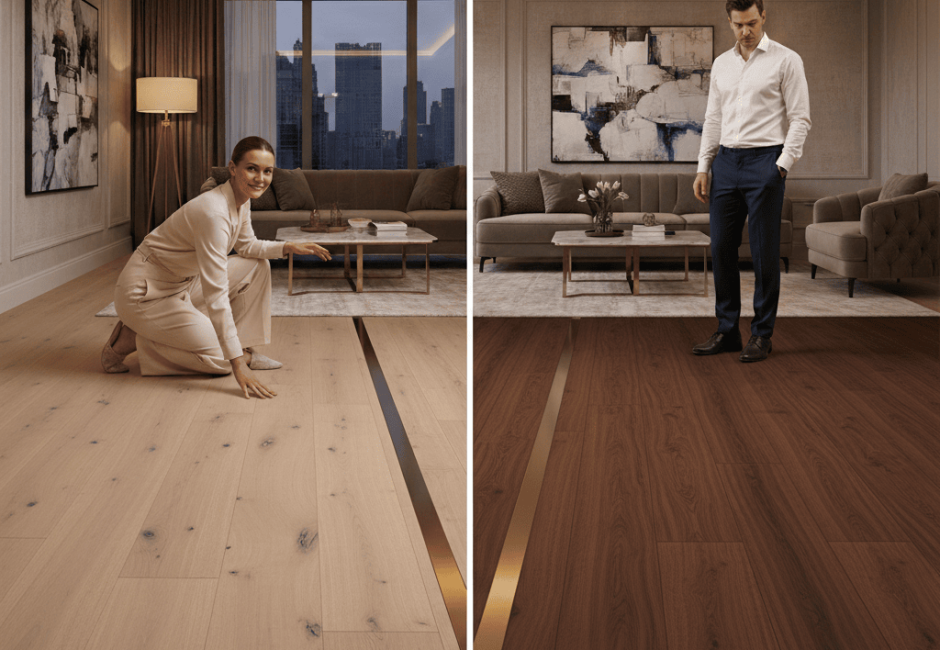
So you’re staring at flooring samples, and someone mentioned laminate. Maybe your contractor pushed it because it’s “budget-friendly.” Maybe you saw it on Pinterest and it looked exactly like real wood. Either way, you’re here because you want the truth, not a sales pitch. Weighing laminate flooring pros and cons before you sign off on a purchase can save you from a renovation regret that sits under your feet for the next decade. I’ve helped a few friends pick flooring for their homes in India, and laminate always comes up — for good reason, and occasionally for the wrong reason too.
What Exactly Is Laminate Flooring?
Laminate is basically a synthetic floor made of layers pressed together — a photographic image layer (that gives you the wood or stone look), a core layer of high-density fiberboard, and a protective top coat. It clicks together, sits on top of your existing floor, and doesn’t need nails or wet adhesive in most cases.
Quick answer: Laminate flooring is a multi-layer synthetic product designed to mimic wood or stone at a fraction of the cost, installed via a click-lock system without glue or nails.
The Real Pros of Laminate Flooring
Let’s get into what actually makes laminate worth considering in 2026.
- Price — this is the big one. You’re typically looking at ₹80 to ₹250 per square foot in India, compared to ₹300+ for engineered wood and much more for solid hardwood.
- Installation speed — a decent installer can do an average bedroom in a day. No waiting weeks for adhesive to cure.
- Scratch resistance — if you’ve got dogs or toddlers dragging toy trucks around, laminate’s wear layer handles it better than most solid wood finishes.
- Consistency — every plank looks the same, batch after batch, which is honestly a relief if you hate the unpredictability of natural wood grain.
- Low maintenance — a dry mop and occasional damp cloth is really all it needs. No polishing, no refinishing.
I’ve noticed that people who move into a new apartment and want it looking finished fast — without three weeks of dust and fumes — gravitate toward laminate almost every time. It’s the practical choice, not always the romantic one.
The Real Cons of Laminate Flooring
Now the part the showroom salesperson tends to gloss over.
Laminate doesn’t handle water well. At all. A small spill wiped up quickly? Fine. But leave a leaking cooler or a forgotten wet towel on it overnight, and you’ll see the edges swell and bubble. This is genuinely the number one complaint I hear.
It also can’t be refinished. Solid wood can be sanded down and restored when it gets tired-looking. Laminate can’t — once the top layer wears through or gets damaged, that plank is done. You either live with it or replace it.
Quick answer: The biggest downsides of laminate flooring are poor water resistance, no ability to refinish or sand it, a somewhat hollow sound underfoot, and a shorter overall lifespan compared to solid wood.
A few more things worth knowing:
- It can sound hollow or “clicky” when you walk on it, especially over concrete without proper underlayment.
- Cheaper variants can look obviously fake up close — the repeating grain pattern gives it away.
- It doesn’t add the same resale value that genuine hardwood does, at least in most Indian real estate markets right now.
Laminate Flooring and Indian Climate — Does It Hold Up?
This is where a lot of buyers get caught off guard. India’s humidity swings are no joke — Mumbai monsoons versus Rajasthan’s dry heat are two completely different environments for flooring to survive in.
Picture a small business owner in Jaipur who installs laminate in their office reception. Through the dry months it’s perfect — no swelling, minimal expansion. But during a heavy monsoon season, if the AC isn’t running and humidity creeps up, laminate can expand slightly at the edges. Good installers leave an expansion gap around the room’s perimeter specifically to handle this, so ask about it before installation day.
For genuinely wet zones — bathrooms, balconies, kitchens near the sink — laminate just isn’t the right call. Vinyl or tile will serve you better there. [link to related guide on best flooring for Indian kitchens here]
Laminate vs Engineered Wood vs Vinyl — A Quick Comparison
People often lump these three together, but they’re quite different animals.
| Factor | Laminate | Engineered Wood | Vinyl |
| Water resistance | Poor to moderate | Moderate | Excellent |
| Cost (per sq ft, India) | ₹80–250 | ₹300–600+ | ₹60–200 |
| Lifespan | 10–20 years | 20–30 years | 10–20 years |
| Refinishable | No | Yes (limited) | No |
| Look/feel authenticity | Good | Very good | Good |
If your priority is looking closest to real wood while retaining some water tolerance, engineered wood wins. If budget and moisture resistance both matter, vinyl edges out laminate. [link to internal comparison guide on vinyl vs laminate here]
How Long Does Laminate Flooring Actually Last?
Manufacturers will tell you 15-25 years. Realistically, in a busy Indian household with regular foot traffic, kids, and maybe a pet, I’d budget for closer to 10-15 years before it starts looking worn in high-traffic zones — hallways, near the main door, in front of the kitchen sink.
The thickness of the wear layer matters more than people realize. Anything under 6mm total plank thickness tends to feel and sound cheap, and wears faster. Ask your supplier for the AC rating (Abrasion Class) — AC3 is fine for homes, AC4 or AC5 if you’re putting it in a commercial space with heavier footfall.
Is Laminate Flooring Good for Bedrooms and Living Rooms?
Honestly? Yes, this is where laminate shines the most. Low moisture risk, decent underfoot comfort with the right underlayment, and a good look for the money. I’d say bedrooms and living rooms are laminate’s best use case, hands down.
Installation Costs and What to Budget For
Don’t just budget for the material. Underlayment (₹15-30 per sq ft extra), skirting boards, and labor (₹20-40 per sq ft depending on your city) all add up. A 1,000 sq ft home could realistically run you anywhere from ₹1.2 lakh to ₹2.8 lakh all-in, depending on the laminate grade you pick.
Has anyone ever quoted you “just the material cost” and left out installation? It happens more than it should — always ask for a full breakdown upfront.
FAQs About Laminate Flooring
Is laminate flooring waterproof? No, most laminate is only water-resistant, not waterproof. Spills need to be wiped quickly. There are a few “waterproof core” laminate products now available, but they cost more and still aren’t meant for constantly wet areas like bathrooms.
Can laminate flooring be installed over tiles? Yes, in most cases, as long as the tile surface is level and there are no major cracks. You’ll need a good underlayment to smooth out minor imperfections and reduce that hollow sound.
Does laminate flooring scratch easily? Not really — that’s actually one of its strengths. The top wear layer resists scratches from pet nails and furniture better than most solid wood floors, especially at AC3 rating and above.
Is laminate flooring good for humid climates? It can work, but you need proper expansion gaps and decent ventilation or AC. In consistently humid coastal cities, vinyl is usually the safer bet.
How do I clean laminate flooring without damaging it? Dry mop or vacuum regularly, and use a barely damp mop only when needed. Avoid steam mops entirely — the heat and moisture combination is laminate’s worst enemy.
Is laminate flooring cheaper than vinyl? It depends on the grade you pick, but generally they’re in a similar price bracket, with vinyl having a slight edge on water resistance and laminate having a slight edge on that authentic wood-look feel.
Final Thoughts
Laminate flooring isn’t a perfect answer for every room, but for bedrooms, living rooms, and offices where water isn’t a daily risk, it’s genuinely hard to beat on value. Know the trade-offs going in — the water sensitivity, the fact that it can’t be refinished — and you won’t feel blindsided later.
If you’re renovating a home in 2026 and budget matters, get quotes from at least two suppliers, ask specifically about AC rating and warranty terms, and walk through a sample room in person before committing. Your feet will thank you either way. [link to related guide on choosing the right flooring installer here]