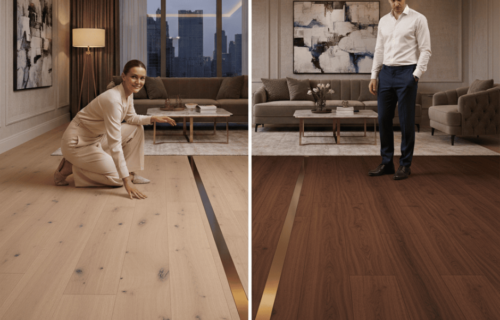
Choosing the Right Flooring for Each Room in 2026
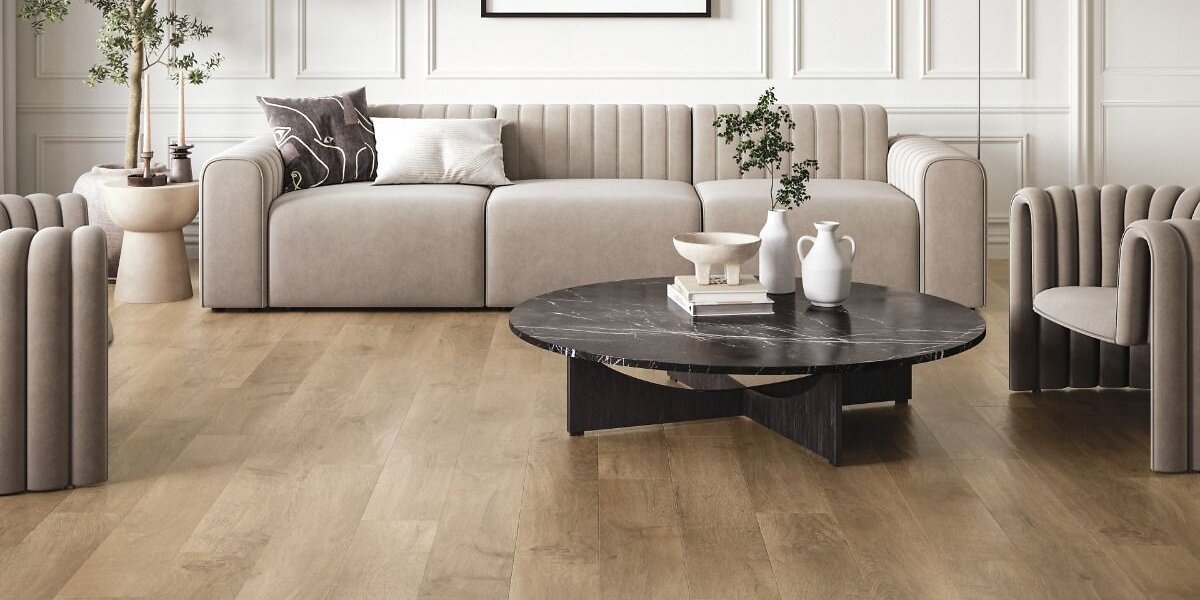
Walk into any tile showroom and you’ll leave more confused than when you went in — a hundred options, all beautiful, none of them telling you which actually belongs in your kitchen versus your bedroom. Choosing flooring for each room isn’t about picking one material and running it through the entire house, even though that’s what a lot of builders push for simplicity. Different rooms have genuinely different demands — moisture, foot traffic, temperature, even how the room feels underfoot first thing in the morning. In 2026, with so many new flooring materials available beyond the usual marble-or-tile choice, getting this decision right room by room makes a real difference to both how the home feels and how much maintenance you’re signing up for.
I made the mistake of putting the same glossy tile throughout my first flat, bedroom included, and quickly regretted how cold it felt underfoot every single morning. Lesson learned — one flooring type rarely suits every room equally well.
Why Room-by-Room Flooring Choices Actually Matter
Quick answer: Different rooms have different practical needs — kitchens and bathrooms need water resistance, bedrooms benefit from warmth and comfort underfoot, and living areas need durability against daily foot traffic. Choosing flooring for each room based on its specific use, rather than one material throughout, results in a home that performs better and lasts longer.
A kitchen floor needs to survive spills and grease. A bedroom floor mostly needs to feel comfortable when you’re barefoot at 6am. Treating these as the same decision is where a lot of flooring regret comes from, and it’s honestly one of the more overlooked parts of home design.
Kitchen Flooring — Prioritize Water and Stain Resistance
Quick answer: Vitrified tiles or anti-skid ceramic tiles are generally the best flooring choice for Indian kitchens, offering water resistance, easy cleaning, and slip resistance around cooking and washing areas. Natural stone like marble looks good but stains easily from oil and turmeric, making it a riskier choice here.
Vitrified tiles handle daily spills, oil splatters, and heavy foot traffic without much fuss, and they’re genuinely easy to clean, which matters a lot in a kitchen that sees daily cooking. Anti-skid variants specifically matter near the sink and stove area, where wet floors are basically guaranteed.
I’d steer away from polished marble in the kitchen specifically, much as it looks elegant in photos — it stains far too easily from turmeric, oil, and acidic spills, and the polish dulls faster than people expect with regular kitchen use.
Bathroom Flooring — Non-Negotiable Slip Resistance
Bathrooms need anti-skid tiles above almost anything else, since wet floors here create real fall risk, especially for elderly family members or young kids. Matte-finish ceramic or vitrified tiles with a textured surface work far better than glossy options, no matter how nice the glossy tiles look in the showroom.
- Anti-skid rating (often labeled R9-R11 on tile packaging) matters more than the tile’s price point
- Smaller format tiles with more grout lines actually improve grip underfoot, slightly counterintuitive but true
- Natural stone can work in bathrooms if properly sealed, but needs more maintenance than most people expect
Living Room Flooring — Balance Durability and Comfort
Living rooms see the most foot traffic in most homes, plus furniture weight, occasional spills, and general daily wear. Vitrified tiles remain a solid, low-maintenance choice, but wooden flooring or good-quality laminate has become genuinely popular for the warmer, more inviting feel it brings to a space people actually spend time relaxing in.
Has this ever crossed your mind — that a cold tile floor makes a living room feel a bit sterile, no matter how nicely it’s furnished? That’s a real, if subjective, factor worth weighing alongside the practical stuff.
- Vitrified tiles: durable, low-maintenance, wide range of designs, cooler underfoot
- Engineered wood or laminate: warmer feel, moderate durability, needs more care around moisture
- Natural stone: premium look, higher cost, requires periodic sealing and more careful maintenance
Bedroom Flooring — Warmth and Comfort Come First
Bedrooms rarely need the heavy-duty durability that kitchens or living rooms do, which opens up softer, warmer flooring choices that would be impractical elsewhere in the house. Wooden flooring, laminate, or even carpet in cooler climate regions genuinely improve the comfort of the room, especially first thing in the morning.
Picture stepping out of bed onto cold vitrified tile versus warm laminate flooring — small thing, but it’s the kind of daily detail that quietly affects how much you actually enjoy a room.
[link to related guide about wooden flooring vs laminate comparison here]
Balcony and Outdoor Flooring — Weather Resistance Is Key
Outdoor and semi-outdoor spaces need flooring that handles direct sun, rain, and temperature swings without cracking or fading. Anti-skid outdoor tiles, specifically rated for exterior use, work far better here than repurposed interior tiles, which often aren’t built for that kind of exposure.
[link to related guide about terrace and balcony design ideas here]
Study or Home Office Flooring — Think About Daily Use
For a home office or study, comfort during long working hours matters, alongside practical durability for a rolling office chair if you’re using one. Laminate or engineered wood generally handles chair wheels better than softer options, while still offering more warmth than plain tile.
Budget Considerations Across the Whole Home
Picture a small business owner in Jaipur renovating a 3BHK flat who initially wanted premium marble throughout. After actually mapping out costs, they settled on marble only in the living room and entrance, vitrified tiles in bedrooms and kitchen, and anti-skid tiles in bathrooms — cutting the overall flooring budget by nearly 30% without any real compromise in how the home actually looked or felt.
Suggested alt text: “Anti-skid ceramic tiles installed in a bathroom for slip resistance” Suggested alt text: “Warm laminate wood flooring in a cozy bedroom setting” Suggested alt text: “Vitrified tile flooring in a modern Indian kitchen”
FAQs
What’s the best flooring choice for Indian kitchens? Vitrified or anti-skid ceramic tiles generally work best, offering water and stain resistance that natural stone like marble struggles to match in daily kitchen use.
Is wooden flooring practical for Indian homes? Yes, particularly in bedrooms and living rooms, though it needs more care around moisture and isn’t ideal for kitchens, bathrooms, or areas with heavy water exposure.
Should bathroom and kitchen flooring be the same material? Not necessarily. Both need water resistance, but bathrooms specifically need higher anti-skid ratings due to consistently wet floors, more so than kitchens typically require.
Is marble a good flooring choice for choosing flooring for each room in a full home? It works beautifully in living rooms and entrances but is riskier in kitchens due to staining, and needs regular sealing and maintenance wherever it’s used.
How much does flooring typically cost per room in India? Costs vary widely by material, but vitrified tiles generally run ₹40-100 per square foot installed, while premium marble or engineered wood can run significantly higher.
Can I mix different flooring materials across one home without it looking disjointed? Yes, if done thoughtfully. Keeping a consistent color palette or transition strips between materials helps different flooring types flow together rather than feeling mismatched.
Conclusion
Choosing flooring for each room really comes down to matching the material to how that specific space actually gets used, rather than picking one flooring type and running it through the whole house for simplicity. Prioritize water resistance in kitchens and bathrooms, comfort and warmth in bedrooms, and durability where foot traffic runs highest. Walk through your own home room by room, think honestly about how each space gets used day to day, and let that guide your flooring choices rather than just what looks best in the showroom.