
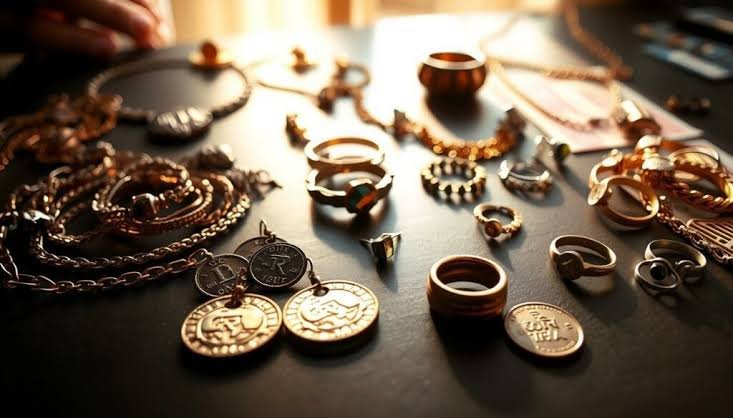
A vintage brooch, a ring made with recycled gold and a pendant set with a lab-grown diamond can all appear in the same jewellery edit. Each involves a different decision about how a piece is made, sourced or kept in use. That distinction matters when a label uses broad terms such as responsible or sustainable. Looking at the individual materials gives you a clearer picture of what your purchase supports.
It also helps to distinguish a claim about one component from a claim about the piece as a whole. A vintage ring, for example, may carry a recently replaced stone or a new band. The sustainable jewellery trends explored by Ideal Magazine offer several directions for a new purchase. Before choosing one, think about what you value most. You might want to keep an existing piece in use, seek a particular metal source or understand how a new gemstone was produced.
Ask what the recycled gold claim covers
Find out whether the claim applies to the whole piece or only the main casting. Small components such as clasps, chains and settings may come from different suppliers. Ask what records the maker has for the metal and whether the information can be added to your invoice. A precise written description will be easier to refer back to if you later sell or pass on the jewellery.
If you have old gold of your own, ask whether the jeweller can use it directly or would send it to be refined or exchanged. Those are different processes, especially if the sentimental appeal is that the new piece contains the same metal. Discuss the design constraints before committing to a remake.
Separate gemstone origin from production claims
A report identifying a diamond as laboratory grown answers a question about origin. Details such as the producer, energy source or scope of an environmental claim require separate information. If a brand says that its stones were grown with renewable electricity, ask which stones the claim covers and what evidence supports it. For a piece with many small stones, ask whether the same policy applies to those accents.
Look at the design itself while weighing the information. A stone you enjoy wearing in a robust setting may serve you for years. Ask whether the setting can be repaired and whether the jeweller can replace individual parts if they wear.
Inspect vintage for condition and fit
A vintage piece keeps an existing object in use and often offers a style that would be difficult to commission from scratch. Condition deserves special attention. Look at the back, check clasps and examine the places where stones are held. A worn claw or weak hinge can become expensive if it fails after purchase. Ask for an assessment and a repair quote where needed.
Consider fit before buying an older ring. Some pieces can be resized with relatively little work, while patterns, old repairs and closely set stones may limit what a jeweller can do. Ask about previous alterations and keep a photograph of the piece as received. It can be helpful if you later decide to preserve a detail or make a further repair.
Final Thought
Decide which part of the purchase you want to understand best, then ask for evidence specific to that claim. With a vintage jewel, that might mean a condition report. For a newly made piece, it could be a written account of its metal or stone sourcing. Combine those answers with a piece you can see yourself wearing regularly.