A home often makes its first impression before anyone has even taken off their shoes. It might be the light coming through the front door, the sound of conversation from another room, or simply the feeling that there’s a comfortable place to sit down for a while.
Yet creating that feeling isn’t always about making a home larger or filling it with expensive finishes. It’s more about understanding how people move through a house and where they naturally pause, gather and spend time together. A thoughtfully planned home has spaces that feel connected, but each one still has its own character.
From the moment someone walks inside to the point where friends gather for a movie or share a drink after dinner, design can quietly shape the experience.
Make the First Few Steps Count
The entrance is one of those areas that can easily be overlooked. It may be small, awkwardly shaped or treated simply as a passage to the rest of the house. But it sets the tone.
Well-designed entry & foyers don’t have to be grand. A narrow console, a mirror, useful storage and warm lighting can be enough to create a sense of arrival. The important thing is that the area works practically as well as visually.
Think about what happens when someone comes home carrying groceries, a laptop bag, keys and a jacket. Is there somewhere to put everything? Can two people comfortably pass each other? Is the lighting pleasant at night?
These everyday details matter more than a perfectly styled entrance.
Give Social Spaces a Natural Flow
People rarely stay in one place during a gathering. Someone starts in the kitchen, another person wanders into the living room, and eventually everybody ends up standing around one particular counter for reasons nobody can quite explain.
A good floor plan allows this movement to happen naturally.
Instead of creating rooms that feel completely isolated, consider visual and physical connections between them. Wide openings, consistent flooring and carefully positioned furniture can make separate areas feel like parts of one larger environment.
At the same time, every space doesn’t need to be completely open. A little separation can make a room feel calmer and more purposeful.
The trick is finding a balance between connection and privacy.
Create a Place for Slower Evenings
Not every gathering needs a television or a large dining table. Sometimes people simply want to sit down, talk and enjoy a drink.
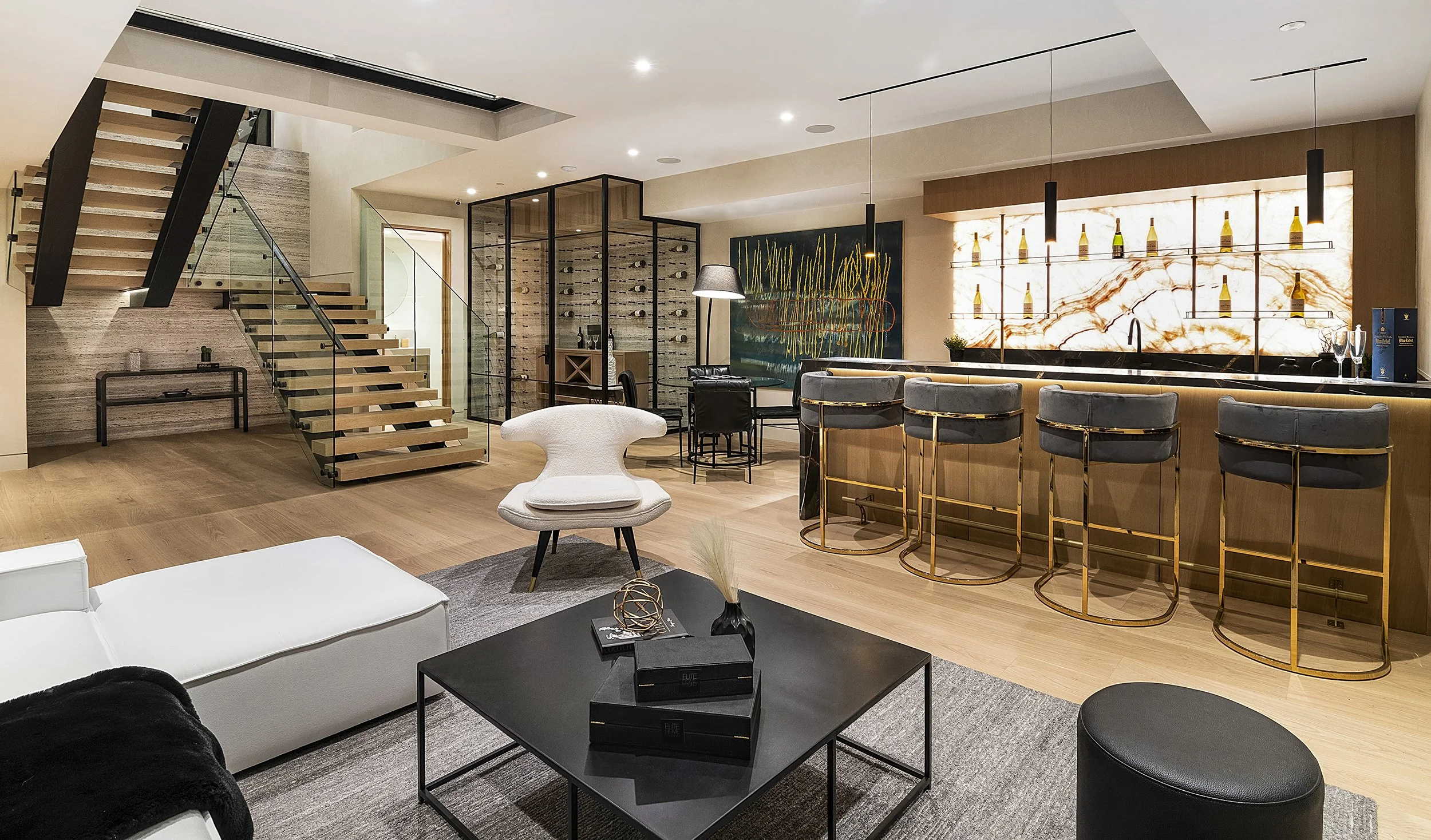
For homeowners who entertain regularly, bars & wine rooms can become particularly useful spaces. They don’t necessarily need to resemble a commercial bar. A compact drinks cabinet, built-in shelving, under-counter refrigerator and a small preparation area can create a sophisticated entertaining zone without taking over the house.
For larger homes, a dedicated wine room can also provide proper storage and a distinct atmosphere. Temperature control, lighting and humidity considerations become important if wine is being stored for longer periods.
But even then, practicality should come first. If the space is difficult to access, it may end up looking beautiful while rarely being used.
Entertainment Spaces Need More Than a Big Screen
Home entertainment has changed dramatically. A television might be the centrepiece, but streaming, gaming, music and social activities now compete for attention.
Well-planned entertainment & media rooms should therefore be flexible. Comfortable seating is essential, but so is good viewing distance, sensible cable management and appropriate lighting.
Acoustics deserve attention, too. Hard surfaces can create echoes, while soft furnishings, rugs and curtains can help absorb sound. If the room is intended for serious movie watching, speaker placement should ideally be considered before furniture and wall finishes are finalised.
And don’t make the mistake of assuming darker always means better. Adjustable lighting allows the room to work for different activities. Nobody wants to eat popcorn in complete darkness just because the movie room was designed like a cinema.
Furniture Should Encourage People to Stay
A room can look fantastic and still feel uncomfortable.
Furniture should invite people to sit rather than simply occupy space. Sofas with supportive cushions, chairs that allow relaxed conversation and tables positioned within easy reach all make a difference.
Think about sightlines. Can people sitting in different parts of the room see one another? Can they place a drink somewhere without leaning awkwardly? Is there enough room to walk behind the seating?
These questions might sound overly practical, but comfort is often invisible until it’s missing.
Lighting Creates the Mood
Lighting is one of the easiest ways to change the personality of a room.
During the day, natural light can make a space feel open and energetic. In the evening, layered artificial lighting can create something warmer and more intimate.
Use different sources for different purposes. Ceiling fixtures provide general illumination. Wall lights can add softness. Table and floor lamps create pools of light that make larger rooms feel more inviting.
Dimmers are especially useful in entertaining areas. A bright setting might work while cleaning or preparing food, while a softer setting feels better when guests arrive.
It’s a small investment with a surprisingly large impact.
Storage Doesn’t Have to Look Like Storage
Entertainment and social areas often collect things quickly: games, remote controls, speakers, glasses, books, cables and all the little objects that seem to multiply overnight.
Thoughtful storage keeps these items close without making the room look cluttered.
Built-in cabinetry can hide equipment while leaving display space for books or artwork. Floating shelves can work in smaller rooms, while storage ottomans offer a flexible solution for blankets and cushions.
The best storage is usually the kind you don’t notice.
Add Personality Without Overdoing It
There is a fine line between a room that feels personal and one that feels overloaded.
Artwork, photographs, books, travel souvenirs and inherited pieces can make a home feel genuinely lived in. They don’t have to match perfectly.
In fact, a few imperfect combinations often have more personality than a room where every object appears to have come from the same showroom.
Colour can help, too. A neutral foundation allows stronger accents to stand out without becoming overwhelming. If you’re unsure about committing to bold walls or furniture, introduce colour through cushions, artwork, rugs or smaller accessories.
And remember, trends are temporary. Choose things you actually like.
Consider How the Space Changes Over Time
A media room might become a children’s playroom for a few years. A wine room could eventually become additional storage. A formal entertaining space might turn into a quiet home office.
Designing with flexibility in mind makes a home easier to adapt.
Movable furniture, built-in infrastructure that can accommodate changing technology and versatile storage can all help. It’s impossible to predict exactly how a household will change, but flexible spaces give you more options.
The Best Rooms Don’t Feel Overdesigned
Perhaps the most important lesson is that a successful home shouldn’t constantly remind you that it has been designed.
You should notice how easy it is to move around. How comfortable the chairs feel. How naturally conversations happen. How the lighting changes as evening arrives.
Those things aren’t always dramatic. They simply make life smoother.
A welcoming home gives people permission to relax. Friends can stay longer than planned. Family members can spread out without feeling disconnected. Someone can quietly read in a corner while everyone else watches a film.
That’s where thoughtful design earns its keep.
Ultimately, the spaces that matter most aren’t necessarily the grandest ones. They’re the places where people pause, laugh, talk, celebrate and occasionally lose track of time. Design can provide the setting, but real life supplies the memories.
And that’s when a house starts feeling less like a collection of rooms and more like somewhere people genuinely belong.