Winter Home Maintenance Tips for the Cold Season
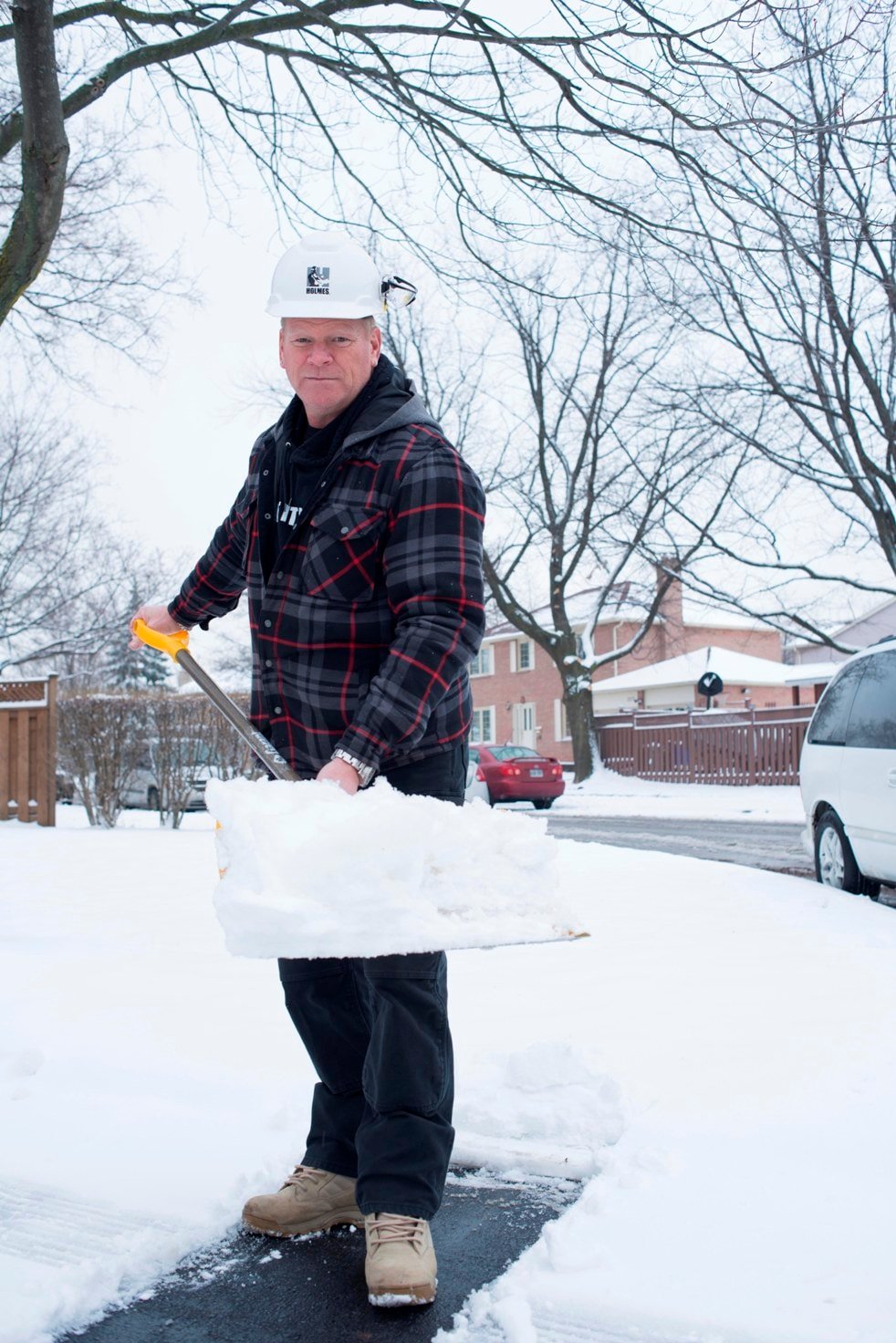
Every year it’s the same story — the first proper cold morning hits and suddenly the geyser’s making a weird noise, the windows won’t shut properly, and someone’s hunting for the extra blanket in a cupboard nobody’s opened since March. A little winter home maintenance done early saves you from all of that scrambling. It’s not about doing anything dramatic. Most of it takes an afternoon, maybe two, and pays off every single cold morning after. Heading into the winter of 2026, with weather patterns getting a bit less predictable each year across North India, getting ahead of this stuff matters more than it used to.
I’ll admit, I used to skip most of this until my geyser gave out on the coldest morning of the year, right when I needed hot water most. Learned my lesson. Now it’s a fixed October job every year.
Check Your Geyser Before You Actually Need It
Quick answer: Get your geyser serviced before winter starts, not after it fails. A basic service checks the heating element, thermostat, and any sediment buildup — issues that get far worse once the geyser is running daily through cold months.
This is probably the single most important item on any winter home maintenance checklist for Indian homes. Geysers that sat mostly idle through summer often have sediment buildup or a thermostat that’s drifted out of calibration, and you only find out when it fails on the coldest morning of the season.
A basic service costs somewhere around ₹300-600 depending on your city, and it’s genuinely worth doing every year rather than waiting for a breakdown.
Seal Windows and Doors Properly
Cold air finds every gap, and in older buildings especially, window frames shrink and warp slightly over the year, leaving small gaps that let in drafts. Has this ever happened to you — sitting in a room that feels colder than it should, and you can’t figure out why?
Run your hand along window and door frames on a windy day. If you feel air moving, that’s your answer. Weather stripping tape is cheap, maybe ₹150-300 for enough to cover a few windows, and takes twenty minutes to apply.
Things worth checking:
- Window frame gaps, especially on north or west-facing rooms
- Door bottoms, where a simple draft stopper does wonders
- Exhaust fan covers, which often get left open and let cold air straight in
Get Your Heating Appliances Ready
If you use room heaters, blowers, or an electric blanket, don’t wait until the first cold night to test them. I’ve noticed heaters that worked fine last winter sometimes just don’t turn on after months in storage — dust in the coils, a worn cord, something small but annoying.
Test everything at least a week before you expect to actually need it:
- Plug in and run heaters for ten minutes to check they’re working properly
- Inspect cords for fraying, especially if stored carelessly
- Clean dust off blower vents and heater coils
- Check electric blanket wiring for any visible damage before use
Roof and Terrace Checks Matter More Than People Think
Cold weather combined with any lingering monsoon dampness can be a bad combination for roofs and terraces. Cracks that seemed minor in September can widen with temperature drops, especially overnight when temperatures swing.
Walk your terrace and check for standing water pockets, visible cracks, or peeling waterproof coating. If you spot anything, this is the season to fix it — not spring, when the damage has usually gotten worse.
[link to related guide about terrace waterproofing before winter here]
Don’t Forget the Water Pipes
Quick answer: In areas that get genuinely cold, exposed water pipes can crack or burst if temperatures drop sharply overnight. Insulating exposed pipes, especially on terraces or outer walls, is a small step that prevents a potentially expensive repair.
This matters more in hill areas and parts of North India that see near-freezing nights, less so in most plains cities, but it’s worth checking regardless. Pipe insulation sleeves are inexpensive and take an hour or two to fit around exposed sections.
Ventilation Still Matters, Even in Winter
People shut every window tight the moment it gets cold, and I get the instinct, but rooms need some airflow even in winter. Poor ventilation combined with heater use can lead to stuffy air and higher indoor humidity, which isn’t great for either comfort or the walls themselves.
Crack a window for ten minutes a day, ideally around midday when it’s warmest. Small habit, real difference over a few months.
Prep Your Kitchen and Water Storage
Cold mornings mean water can feel uncomfortably cold straight from the tap, and geysers take longer to heat in colder ambient temperatures too. If you rely on stored water for cooking or cleaning, insulating the storage tank slightly, or at least checking it isn’t cracked from any earlier heat exposure, is worth the ten minutes.
[link to related guide about seasonal home checklists here]
Suggested alt text: “Technician servicing a home geyser before winter season” <br> Suggested alt text: “Weather stripping being applied to a window frame to block cold drafts” Suggested alt text: “Terrace inspection for cracks and waterproofing before cold weather”
FAQs
When should I start winter home maintenance in India? Late September to mid-October is ideal for most North Indian cities, giving you time to fix issues before temperatures drop significantly in November and December.
Is geyser servicing really necessary every year? Yes, especially if it runs daily through winter. Sediment buildup and thermostat drift happen gradually, and a small yearly service catches problems before they become a full breakdown.
How can I stop drafts without spending much money? Weather stripping tape and door draft stoppers are the cheapest fixes, both costing a few hundred rupees and taking under an hour to install properly.
Do I need to insulate water pipes in every Indian city? Not everywhere — it matters most in hill regions and areas with near-freezing winter nights. In most plains cities it’s a lower priority, though checking exposed pipes doesn’t hurt.
Should I get my heater serviced or just test it myself? For basic room heaters and blowers, testing yourself is usually enough. For central heating systems, if you have one, a professional check is worth it before the season starts.
What’s the most commonly overlooked winter home maintenance task? Terrace and roof checks, without question. People focus on indoor comfort and forget that cold combined with leftover monsoon dampness can quietly worsen small cracks.
Conclusion
None of this winter home maintenance takes more than a weekend, spread across a couple of free afternoons before the cold really sets in. Get the geyser serviced, seal up drafts, test your heaters, and give the terrace a proper look before temperatures drop for good. Small jobs now save you from cold mornings spent troubleshooting instead of just staying warm. Pick one item off this list and tackle it this weekend — the geyser service is the one I’d start with, honestly.