The Plumbing Problems We Ignore Until They Become a Real Headache
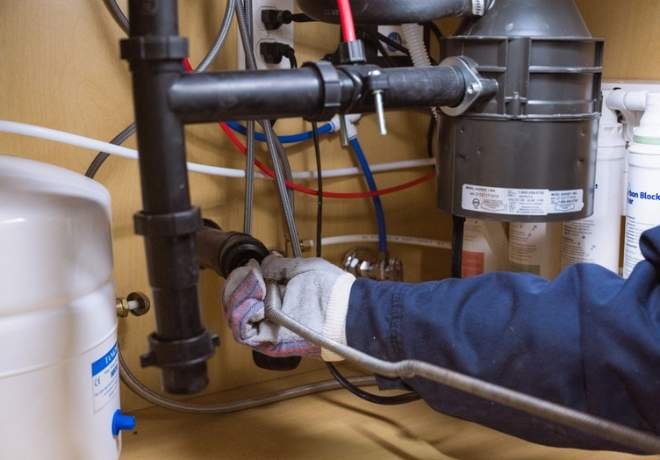
Most of us don’t think much about plumbing when everything is working. You turn on the tap, water comes out. You flush the toilet, and it disappears. The shower drains, the water heater does its thing, and life carries on.
Then one morning, the kitchen sink won’t drain.
Or you notice a strange smell coming from the bathroom. Maybe the water pressure has suddenly dropped, or there’s a damp patch on the wall that definitely wasn’t there yesterday. That’s usually when plumbing jumps from “background household stuff” to a problem that needs attention.
Good plumbing isn’t only about fixing leaks. It’s about keeping water moving where it should, wastewater moving away safely, and the entire property protected from avoidable damage.
Why Good Plumbing Matters More Than You Think
A modern building depends on its plumbing system every single day. Homes need reliable water for drinking, cooking, cleaning, bathing, and laundry. Businesses depend on it for employees, customers, equipment, sanitation, and everyday operations.
That makes residential and commercial plumbing much more than a collection of pipes and fixtures. It’s an essential part of keeping a property functional.
The tricky part is that much of the plumbing system is hidden. Pipes may run behind drywall, underneath flooring, or underground outside the building. A small leak can therefore continue for days before anyone notices it. By then, the damage may include swollen flooring, damaged walls, unpleasant odors, or even mold growth.
Sometimes the best plumbing repair is the one you never have to make because the problem was spotted early.
Don’t Ignore Slow Drains and Strange Smells
A slow drain seems harmless at first. You might pour some cleaner down it and move on. But if the same drain keeps slowing down, there’s probably a reason.
Hair, grease, food particles, mineral buildup, and other debris can gradually restrict the pipe. In larger systems, a recurring blockage could point to a deeper issue in the drainage line.
Strange smells deserve attention, too. A persistent sewage-like odor around drains could indicate a dry trap, damaged pipe, poor ventilation, or another drainage problem. It isn’t something you should simply cover with air freshener and forget about.
A professional inspection can often identify the source before the issue turns into a messy backup.
When Sewer Problems Become Serious
Sewer problems have a nasty habit of getting worse when ignored. A partial blockage may initially cause slow drains, but eventually wastewater can back up into sinks, showers, toilets, or other areas of a property.
Professional sewer service can help locate blockages, damaged sections, root intrusion, or other problems affecting the drainage system. Depending on the situation, technicians may use specialized cameras or equipment to inspect pipes without immediately digging up large areas of a yard or floor.
Tree roots are another surprisingly common culprit. They naturally seek moisture and can work their way into small cracks in underground pipes. Once inside, they can create a growing obstruction.
If several drains start acting strangely at the same time, don’t assume each one has a separate problem. There could be a larger issue farther down the line.
Clean Water Starts With the Right System
Water quality is another part of plumbing that deserves more attention. Even when water looks perfectly clear, its characteristics can vary depending on the source and local conditions.
Hard water, for example, can leave mineral deposits on taps, showerheads, appliances, and plumbing fixtures. Over time, those deposits can affect efficiency and shorten the life of certain equipment.
Depending on the water source and household needs, water treatment systems may help address specific water-quality concerns. Filtration, softening, and other treatment methods aren’t identical, so choosing equipment simply because a neighbor uses it isn’t always the best approach.
The right system should be based on what’s actually present in the water. Testing first is a much more sensible starting point than buying equipment based on guesswork.
Small Leaks Can Become Expensive Repairs
A dripping faucet might not seem worth calling a plumber about. After all, it’s only a few drops at a time.
But leaks aren’t always as small as they appear. A hidden pipe leak can waste water continuously and damage building materials around it. A toilet that runs constantly can also waste a surprising amount of water over time.
Look around fixtures occasionally. Check underneath sinks, around toilets, near water heaters, and along visible pipe connections. If you see corrosion, moisture, staining, or unexplained puddles, investigate rather than waiting for the situation to become obvious.
And know where your main water shut-off valve is. It’s one of those things nobody cares about until a pipe bursts. Then suddenly, finding it becomes extremely important.
Maintenance Is Usually Cheaper Than Panic
Regular plumbing maintenance doesn’t have to be complicated. Avoid putting grease and cooking oil down kitchen drains. Don’t flush wipes, paper towels, or other unsuitable materials. Keep an eye on water pressure and pay attention to unusual noises from pipes or fixtures.
Businesses may need more structured maintenance because plumbing problems can interrupt operations and affect customers or employees. Restaurants, offices, rental properties, warehouses, and other commercial spaces all have different demands.
A professional can help identify the maintenance schedule that makes sense for the property instead of waiting for a major breakdown.
Choosing the Right Plumbing Professional
When something goes wrong, choosing a plumber based only on the lowest price can be tempting. But the cheapest repair isn’t necessarily the cheapest solution.
Look for a professional who explains what caused the problem, outlines the available options, and gives you a clear idea of what the work involves. Experience matters, particularly when the problem involves underground pipes, sewer connections, water heaters, or complex commercial systems.
Good communication matters, too. You shouldn’t need a plumbing dictionary to understand what you’re paying for.
A Healthier Plumbing System Starts With Attention
Plumbing problems rarely announce themselves with a dramatic warning. More often, they whisper—a slow drain here, a dripping tap there, a faint smell that comes and goes.
Those little signs are worth noticing.
Taking care of plumbing isn’t about constantly worrying about what might go wrong. It’s simply about being aware of how your system normally behaves and acting when something changes. A little maintenance, sensible water use, and professional help when needed can prevent plenty of unnecessary trouble.
At the end of the day, good plumbing should be almost invisible. When the pipes work properly, nobody thinks about them. And honestly, that’s probably the best compliment a plumbing system can get.