Smarter Water Treatment: Choosing the Right System for Your Home
Clean water is one of those things most of us don’t think about until there’s a problem. A strange taste in your morning coffee, white scale around the faucet, dry-feeling skin after a shower, or an odd smell from the tap can all be signs that your home’s water needs a closer look.
The good news is that modern water treatment isn’t limited to complicated commercial equipment anymore. Homeowners have access to practical solutions designed for specific water problems, from mineral-heavy hard water to microorganisms and unpleasant contaminants. The key is knowing what your water actually contains and choosing technology that addresses it without creating unnecessary expense or maintenance.
Start With the Water, Not the Equipment
It’s tempting to shop for a water treatment system based on a recommendation from a friend or an online review. But water quality can vary dramatically from one neighborhood to another, even between nearby homes.
Municipal water and private well water also have different considerations. Your water may contain high levels of calcium and magnesium, excess chlorine, sediment, iron, or other contaminants. Some problems are obvious, while others aren’t noticeable by taste or smell.
That’s why water testing should come before equipment selection. A basic water analysis can help identify hardness, pH, sediment, and other common issues. More detailed testing may be appropriate when there are concerns about specific contaminants.
Once you know what you’re dealing with, the decision becomes much easier. Instead of buying the most expensive system available, you can focus on the treatment your household genuinely needs.
When Hard Water Becomes a Household Problem
Hard water isn’t usually considered an immediate health concern, but it can be frustrating to live with. Calcium and magnesium minerals can leave chalky deposits on showerheads, faucets, glassware, and appliances. Over time, scale can also affect plumbing and water-using equipment.
Soap behaves differently in hard water, too. You may notice that shampoo doesn’t lather as easily or that laundry feels stiff after washing. Some people also find that hard water leaves their skin feeling dry.
For homes dealing with persistent hardness, high-efficiency water softeners can offer a practical solution. Modern units are designed to reduce hardness minerals while using water and salt more efficiently than older systems.
Still, efficiency isn’t only about the equipment itself. Correct sizing, proper installation, and regular maintenance matter. A system that’s too small for a busy household may regenerate too often, while an oversized unit can cost more than necessary.
Choosing the Right Filtration Approach
Water filtration covers a surprisingly broad range of technologies. A simple sediment filter can remove sand, dirt, and larger particles. Activated carbon can help reduce chlorine, improve taste, and address certain organic compounds. More advanced systems may target specific contaminants.
This is where one-size-fits-all advice can become misleading.
For example, a household mainly concerned with chlorine and taste may not need the same treatment setup as a home with well water containing iron or sediment. Likewise, a family concerned about a particular contaminant should choose a system that has been specifically tested and certified for reducing that substance.
The goal isn’t to make water “as filtered as possible.” It’s to make the water appropriate for its intended use.
Don’t Forget the Water You Drink
Whole-house treatment is useful for protecting plumbing, fixtures, and water-using appliances, but drinking water sometimes deserves an additional layer of attention.
Point-of-use filtration can be installed at a kitchen faucet or connected to a dedicated drinking-water dispenser. Reverse osmosis is another popular option when a household wants more extensive filtration for drinking and cooking water.
Modern drinking water systems can range from simple carbon filtration units to multi-stage systems designed for more demanding water-quality concerns. The right choice depends on the source water, the contaminants identified during testing, available space, and how much filtered water the household uses each day.
There’s also a practical side to consider. A system that produces excellent water but requires constant filter changes may become a nuisance. Before buying, check replacement schedules, filter availability, installation requirements, and ongoing operating costs.
Where Ultraviolet Disinfection Fits In
Not every water problem can be solved with a softener or conventional filter. If microbial contamination is a concern, disinfection becomes an important part of the conversation.
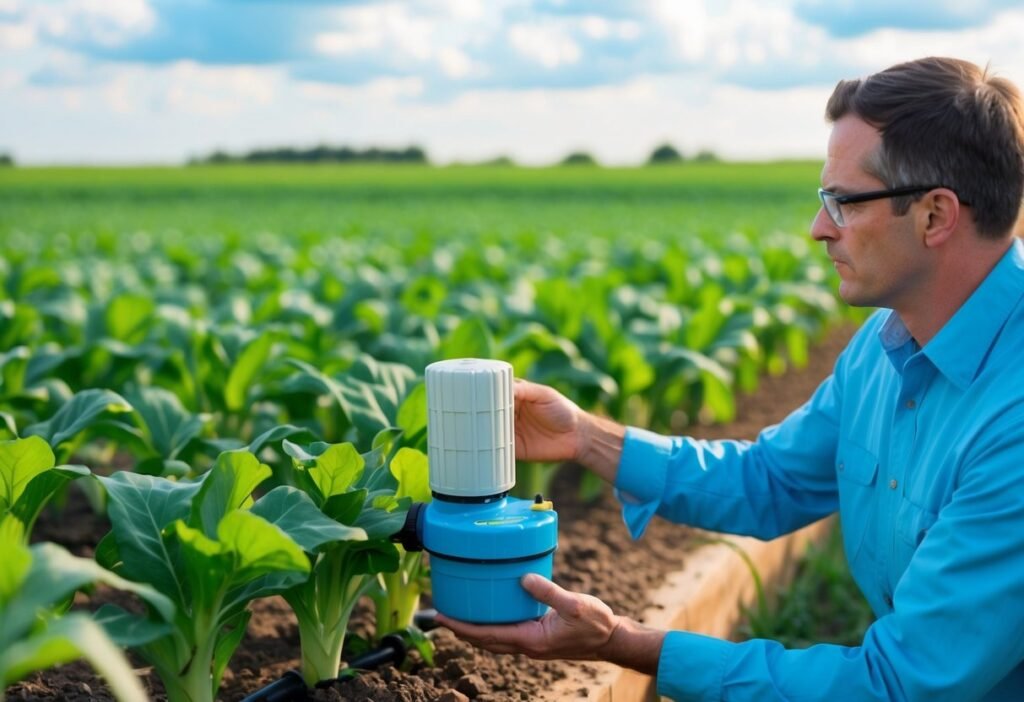
Ultraviolet treatment uses UV light to inactivate many microorganisms as water passes through a specialized chamber. Unlike chemical disinfection, it doesn’t add a disinfectant chemical to the water.
Ultraviolet (uv) disinfection can be particularly useful in private-well applications where microbiological contamination is a concern. However, UV systems work best when the water has already been properly conditioned. Excessive sediment or cloudiness can interfere with UV transmission, reducing the effectiveness of the treatment.
That means pre-filtration may be necessary. UV equipment also needs electricity and periodic lamp or sleeve maintenance, so it shouldn’t be viewed as a completely maintenance-free solution.
Think About the Whole Home
A good water treatment plan considers more than the kitchen faucet.
Hard water affects showers, laundry, water heaters, dishwashers, and plumbing fixtures. Sediment can cause problems with appliances and fixtures. Poor taste or odor may be especially noticeable when drinking water or cooking.
For that reason, some homeowners choose a combination of technologies rather than relying on a single device. A whole-home filter may handle sediment and certain chemicals, a softener can address hardness, and a point-of-use system can provide additional treatment for drinking water.
Of course, more equipment isn’t automatically better. Each added component means another filter, connection, maintenance task, or potential repair. A thoughtfully designed system is usually better than a collection of products bought independently.
Installation and Maintenance Matter More Than People Think
Even high-quality water treatment equipment can underperform when it’s incorrectly installed or poorly maintained.
Filters need to be replaced according to the manufacturer’s recommendations. Softener settings should match actual household water use and hardness. UV systems require routine inspection and lamp replacement. Connections should be checked for leaks, especially after installation or servicing.
It’s also worth keeping records of maintenance. Nobody enjoys discovering six months later that a filter should have been replaced weeks ago.
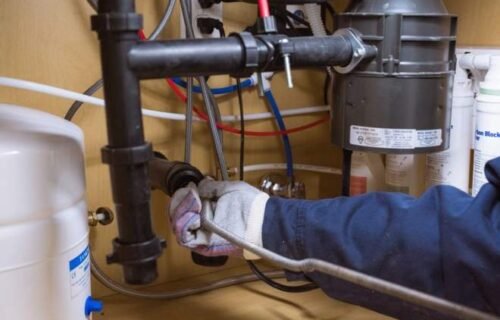
Professional installation can be especially valuable when treatment equipment needs to integrate with existing plumbing. A properly sized and installed system is more likely to deliver consistent performance and avoid unnecessary water pressure problems.
Better Water Starts With Better Decisions
There isn’t one perfect water treatment system for every home. Water quality, household size, plumbing, budget, and personal preferences all play a role.
The smartest approach is fairly simple: test the water, identify the actual problem, choose technology designed for that problem, and think about long-term maintenance before making a purchase.
Whether your biggest frustration is hard-water scale, unpleasant taste, sediment, or microbial concerns, modern treatment options can make a noticeable difference. And once the right system is in place, clean, comfortable water becomes something you barely think about again—which, honestly, is probably the best result of all.